





Recently viewed


Choosing outdoor furniture for a compact space is a different exercise to filling a large patio. On a small balcony or narrow courtyard, every centimetre counts — and an oversized armchair can turn a usable outdoor area into one that feels cramped and difficult to move through.
A small armchair built for outdoor conditions solves this. It provides comfortable seating without dominating the space, and it leaves room for a side table, a planter, or simply enough clearance to walk past without turning sideways. The key is matching the chair's dimensions to the space you actually have, then choosing materials and a frame style that can handle Australian sun, rain, and temperature swings without constant attention.
This guide covers how to measure your outdoor space, which compact armchair styles suit tight areas, what frame and cushion materials perform best in Australian conditions, and where to place a small armchair for the best result.
Why Size Should Guide Your Outdoor Armchair Choice
What Happens When Outdoor Furniture Is Too Large
A common mistake with small outdoor spaces is choosing furniture based on comfort alone, without checking whether it physically fits the area. A full-sized outdoor armchair can measure 90 centimetres wide or more — and on a balcony that's only 200 centimetres across, that single piece can block half the usable floor area.
Oversized furniture in a compact outdoor space creates a few practical problems. Movement paths get blocked, making it awkward to get in and out. Other pieces — a side table, a planter, a small dining setup — can't fit alongside it. The space feels cluttered rather than functional, regardless of how good the individual piece looks.
How a Small Armchair Opens Up Outdoor Areas
A small armchair sized to suit the space does the opposite. It leaves room around it, which makes the area feel larger and more usable. On a balcony, that might mean enough room for a compact table beside it. In a courtyard, it means two small armchairs can sit side by side where one full-sized chair would struggle.
Small outdoor armchairs also work as flexible additions to larger setups. On a patio with an existing outdoor sofa, a small armchair adds an extra seat without crowding the layout. As a general guide, outdoor seating should occupy no more than two-thirds of the floor area in any given zone, leaving the rest for movement and breathing room.
How to Measure Your Outdoor Space
Floor Area and Clearance
Before looking at any furniture, measure the outdoor area where your armchair will sit. Use a tape measure to get the width and depth of the available floor space — not the entire balcony or patio, but the specific zone where seating makes sense.
A compact outdoor small armchair typically sits around 60 to 75 centimetres wide and 65 to 80 centimetres deep. You need clearance beyond those dimensions: at least 45 centimetres between the armchair and any adjacent furniture, wall, or railing for the space to feel comfortable rather than tight.
Walkways and Traffic Flow
Outdoor areas need clear paths just as much as indoor rooms do. Any walkway alongside or behind the armchair should be at least 75 centimetres wide for easy movement. On a narrow balcony, this often determines whether you can fit a standard armchair or need a slimmer profile.
If you're placing the chair near a door, sliding screen, or gate, check that it doesn't interfere with the swing or slide path. This is one of the most common fitting issues on balconies and small patios.
Testing the Footprint with Painter's Tape
If you're unsure whether the armchair will fit, mark its footprint on the ground with painter's tape before buying. Lay out the width and depth based on the product dimensions, then spend a few minutes moving around the space. Walk past it. Pull up a chair beside it. Open the door.
This simple step shows you how the armchair will feel in the space — not just whether it technically fits, but whether it leaves enough room for the area to function properly. It takes five minutes and avoids the problem of receiving furniture that doesn't work in the space.
Small Armchair Types for Outdoor Use
Stackable Small Armchairs
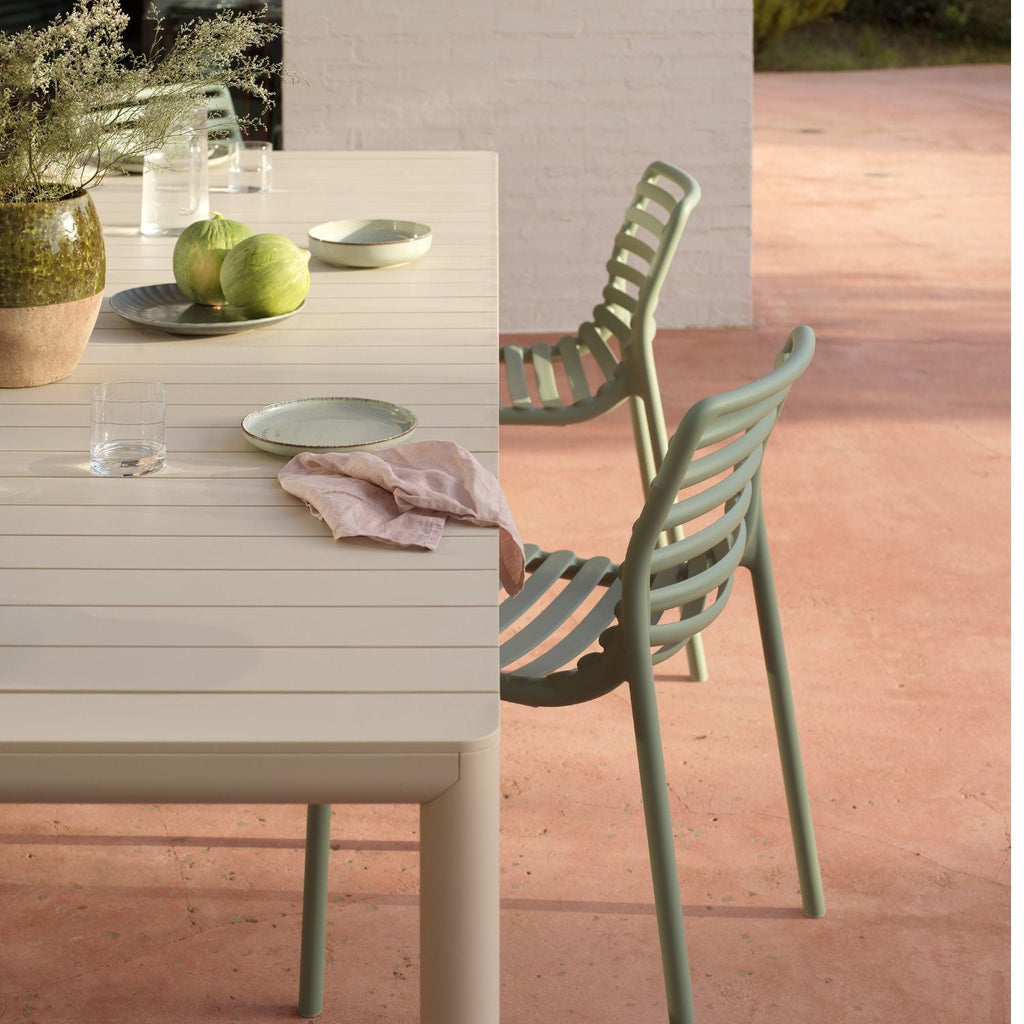
Stackable armchairs are built to nest vertically when not in use, which makes them one of the most practical options for compact outdoor areas. When you need extra seating, you pull them out. When you don't, they stack into a single footprint.
This suits balconies, small courtyards, and rental properties where outdoor space is shared or limited. Stackable outdoor chairs are typically lightweight and made from resin or powder-coated aluminium, so they're easy to move and resistant to weather.
Compact Swivel Armchairs
A compact swivel armchair lets you rotate in place without repositioning the chair. This works well on patios and decks where seating faces multiple directions — toward a garden, a dining table, or another person.
Swivel mechanisms need a stable, flat surface to work properly outdoors. Check that the base sits level on your decking or pavers, and confirm the swivel hardware is rated for outdoor use. Rust-free aluminium bases and stainless steel mechanisms hold up better in exposed conditions than untreated steel.
Low-Profile Small Armchairs
Low-profile armchairs sit closer to the ground, which visually opens up compact spaces. A lower seat height — typically around 35 to 40 centimetres — creates a more relaxed seating position and reduces the visual bulk of the chair in a small setting.
These work well on ground-level patios and in garden corners where a taller chair might feel imposing. Pair a low-profile outdoor armchair with a low outdoor coffee table for a balanced look.
Folding Small Armchairs
Folding armchairs collapse flat for storage, making them a good fit for spaces where furniture needs to be cleared regularly — apartment balconies, shared courtyards, or outdoor areas that double as access paths.
Look for folding mechanisms made from corrosion-resistant materials. A folding armchair that rusts at the hinges after a few months outdoors defeats the purpose of buying outdoor-rated furniture in the first place.
Frame and Cushion Materials for Australian Conditions
Powder-Coated Aluminium Frames
Aluminium is the most common frame material for outdoor armchairs in Australia, and for good reason. It's lightweight, rust-free, and handles UV exposure and heat cycling without warping or corroding. Powder coating adds a durable colour layer that resists scratching and fading.
For a small armchair on a balcony or patio, powder-coated aluminium keeps the weight down — important when you need to move furniture regularly or when the structure beneath (a raised deck, an apartment balcony) has load considerations. Browse outdoor aluminium armchairs to see compact options in this material.
Resin Wicker on Aluminium
Resin wicker woven over a powder-coated aluminium frame gives a textured, finished look while keeping the weather resistance of a full-aluminium chair. The wicker is UV-stabilised, doesn't absorb moisture, and cleans easily with a hose.
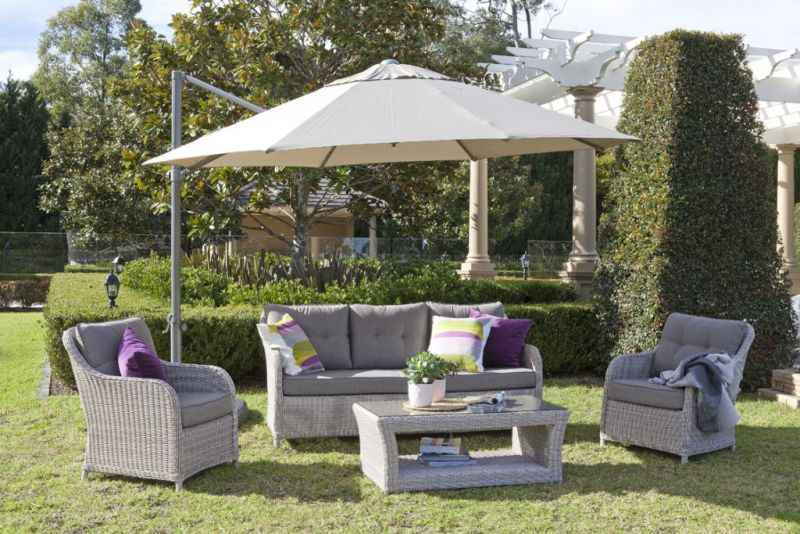
Outdoor wicker armchairs suit covered patios and courtyards where you want a softer visual texture than bare aluminium. In a compact outdoor space, a wicker armchair adds warmth without sacrificing durability.
Rope Weave on Aluminium
Rope-weave armchairs use UV-stabilised synthetic rope over an aluminium frame. The rope creates a lighter visual profile than solid wicker, which helps a compact armchair feel less bulky in a tight space.
Outdoor rope armchairs dry quickly after rain and handle coastal salt air well. They're a practical choice for exposed balconies and beachside outdoor areas.
Timber Frames
Hardwood timber frames — particularly teak — bring a natural, warm appearance to outdoor seating. Teak is naturally weather-resistant and develops a silver-grey patina over time if left untreated, or retains its original tone with periodic oiling.
Outdoor timber armchairs tend to be heavier than aluminium, so they suit spaces where the armchair stays in one position. For a small courtyard or a covered verandah, a compact timber armchair adds a grounded, solid feel.
Outdoor Cushion Fabrics
If your outdoor armchair includes seat or back cushions, check that the fabric is rated for outdoor use. Water-repellent fabric is the standard — it sheds light rain and resists staining without needing a separate cover.
UV-stabilised cushion fabric holds its colour through extended sun exposure, which matters in Australian conditions where UV intensity breaks down untreated fabrics quickly. Removable, hose-clean outdoor cushion covers make maintenance straightforward.
Where a Small Armchair Works Best Outdoors
Balconies and Terraces
Balconies are where a small armchair earns its keep. Space is fixed — you can't extend a balcony — so the furniture has to fit what's there. A compact armchair paired with a balcony table creates a functional outdoor seating area without blocking the doorway or cutting off movement.
On apartment balconies, check weight limits if they're posted. Aluminium-framed small armchairs are the lightest option, which matters on suspended structures.
Small Patios
A small patio benefits from one or two compact armchairs arranged around a low table or beside a garden bed. The armchairs define the seating area without taking over the full patio, leaving room for planters, a path to the garden, or space for children and pets to move through.
Position the armchair where it gets some shade during the hottest part of the day. Under a pergola, beside a wall that casts afternoon shadow, or under a garden umbrella — shade extends the usable hours of any outdoor seat in Australian summer.
Courtyards
Courtyards are often enclosed on multiple sides, which makes furniture scale more noticeable. A full-sized armchair in a small courtyard can feel like it's pressing against the walls. A small armchair leaves visual breathing room and keeps the space feeling open.
Place it near greenery — a garden wall, a planter, or a climbing vine — to connect the seating with the courtyard's natural elements.
Beside a Pool or Garden
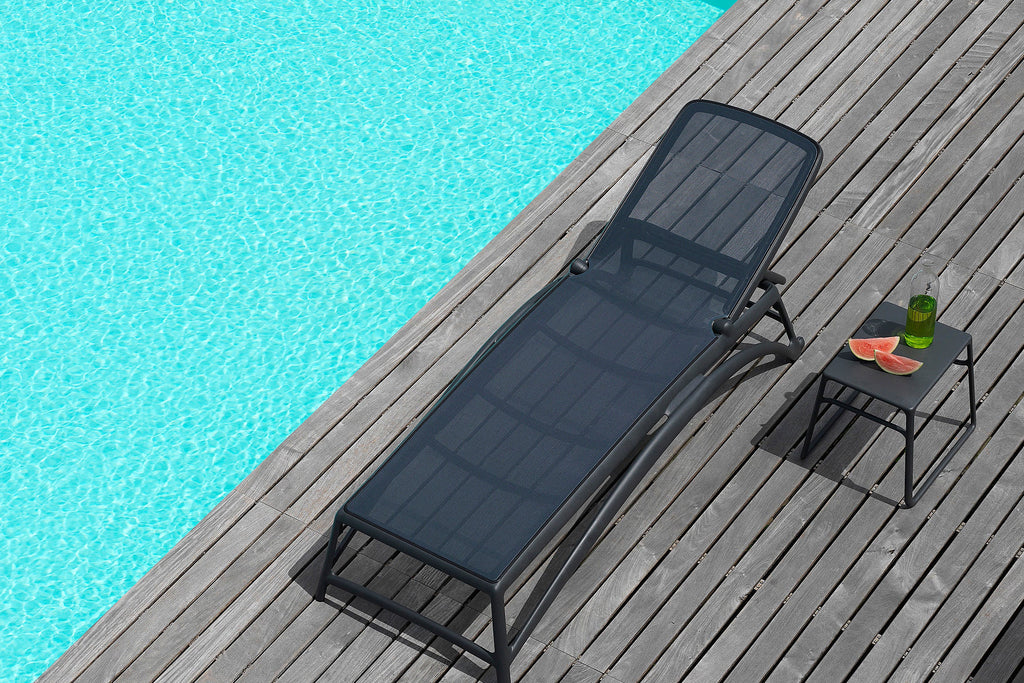
A compact outdoor armchair beside a pool or at the edge of a garden creates a spot to sit without committing to a full lounge setup. For poolside use, choose frames and fabrics that handle splash, chlorine, and extended sun — powder-coated aluminium frames with water-repellent cushions are the most practical combination.
In a garden setting, an armchair on a flat paved area or a section of compacted gravel gives you a place to sit among the plants without the footprint of a full outdoor lounge.
What to Look for Before Buying
A few practical checks help ensure your outdoor armchair fits the space and holds up outdoors.
Dimensions against your space — Confirm the armchair's width, depth, and height against the measurements you've taken. Don't estimate. A difference of 10 centimetres can determine whether a walkway stays clear or gets blocked.
Frame material — Powder-coated aluminium is the most weather-resistant and low-maintenance option for Australian outdoor conditions. If you prefer timber, confirm it's a hardwood rated for outdoor exposure.
Cushion fabric rating — Water-repellent is the baseline for outdoor cushions. Check whether the fabric is UV-stabilised, and whether the covers are removable for cleaning.
Stackability or storage — If your outdoor space doubles as a walkway or needs to be cleared regularly, a stackable or folding option saves time and hassle.
Weight — Lighter chairs are easier to reposition and store. This matters more on balconies and upper-level terraces where carrying heavy furniture up stairs is a consideration.
Getting the Fit Right in a Compact Outdoor Space
The right small armchair for a compact outdoor area is one that fits the dimensions you have, handles the conditions your space faces, and doesn't demand ongoing attention to keep looking good. Australian outdoor conditions — UV, heat, coastal air, sudden rain — are harder on furniture than most people expect, so material choice matters as much as size.
Measure first. Test the footprint with tape if you're unsure. Choose a frame rated for outdoor weather, cushions with water-repellent and UV-stabilised fabric, and a profile that leaves room around it for the space to function. A well-fitted small armchair turns a compact balcony, patio, or courtyard into a genuinely usable outdoor seating area — without the compromise of furniture that's too large for the space it sits in.
Browse the full range of outdoor armchairs to find compact options suited to smaller outdoor spaces.
Frequently Asked Questions
What is a good size for a small armchair outdoors?
A compact outdoor small armchair typically measures around 60 to 75 centimetres wide and 65 to 80 centimetres deep. This leaves enough room on most balconies and small patios for a side table and a clear walkway of at least 75 centimetres beside it.
Can a small armchair handle full Australian sun exposure?
Yes, provided the frame and fabric are rated for outdoor use. Powder-coated aluminium frames resist UV damage, heat cycling, and corrosion. Pair them with UV-stabilised, water-repellent cushion fabric to maintain colour and performance through extended sun exposure.
What is the best frame material for a small outdoor armchair?
Powder-coated aluminium is the most practical choice for Australian conditions. It's lightweight, rust-free, and handles UV and heat without warping. Teak is another strong option where a natural timber look is preferred, though it's heavier and suits armchairs that stay in one position.
Are stackable small armchairs sturdy enough for regular outdoor use?
Stackable armchairs built with powder-coated aluminium or commercial-grade resin frames are designed for regular outdoor use. The stacking feature is about storage flexibility, not a compromise on structural performance. Check that the frame is rated for outdoor weather before buying.
How do I stop a small armchair from looking lost on a patio?
Pair it with a low outdoor coffee table or side table to anchor the seating area. Position it near a garden wall, planter, or pergola post to give the arrangement a sense of place. Two small armchairs facing each other across a table can define a space more effectively than one armchair on its own.