





Recently viewed


Outdoor Scatter Cushions: Your Essential Guide to Choosing the Right Ones for Your Space
Outdoor scatter cushions can refresh your patio or garden, helping you create the style you want and establish a new look for your space. These versatile accessories add comfort and visual appeal to your outdoor areas. Materials range from weather-resistant polyester to soft, hypoallergenic fills. You might search for waterproof outdoor scatter cushions to ensure practical durability, or premium outdoor scatter cushions to achieve a refined aesthetic. Vibrant options like yellow and pink outdoor scatter cushions are also available. The right choice matters. This guide covers everything from materials and colours to sizing for outdoor sofa scatter cushions and helps you make better decisions for your space.
What Are Outdoor Scatter Cushions and Why You Need Them
Scatter cushions designed for outdoor use require engineering that is fundamentally different from their indoor counterparts. The materials, construction and protective treatments work together to handle conditions that would destroy standard cushions within weeks.
The difference between indoor and outdoor cushions
Indoor cushions prioritise comfort through natural fibres like cotton, linen or chenille paired with standard foam or down filling. These materials feel soft but absorb moisture and lack protection against UV degradation. Linen fades to lighter shades. Standard foam with closed cells traps water that enters and creates an environment where mould grows.
Outdoor scatter cushions use performance fabrics engineered for weather exposure. Solution-dyed acrylic integrates colour into the fibre before weaving. This creates fade resistance that surface coatings cannot match. Olefin provides water resistance, dries fast and resists mildew. Polyester with UV inhibitors offers better UV protection than untreated synthetic fabrics.
The fill makes a difference that is just as important. Quick-dry foam uses an open-cell structure with connected pores throughout. This allows water to pass through rather than being trapped. Air circulates freely and enables complete drying within hours instead of days. Closed-cell foam takes an alternative approach where water cannot penetrate the sealed structure at all.
Quality outdoor scatter cushions integrate multiple protective treatments into the fabric structure itself. Fluorocarbon coatings boost water repellency. Antimicrobial treatments prevent bacterial growth in humid conditions. UV stabilisers supplement fade resistance. These treatments last the cushion's lifespan rather than wearing away after a season.
Benefits of adding scatter cushions to your outdoor space
Outdoor scatter cushions deliver multiple advantages for your patio or garden areas. They create opportunities to refresh your outdoor seating appearance without replacing furniture. You can switch designs and patterns as often as you prefer. Mix colours and textures to create different looks.
The cushions add comfort while completing your outdoor setup. Weather-resistant materials mean you can leave them outside during unpredictable weather. Fabrics repel water on contact and dry fast after storms. Rain beads up and rolls off solution-dyed fabrics rather than soaking in.
Quality outdoor scatter cushions made with proper materials deliver strong long-term performance. The moisture-proof and mildew-proof properties reduce ageing and wear caused by weather exposure. This reduces the frequency of replacement significantly.
Where to use outdoor scatter cushions
You can place outdoor scatter cushions on outdoor furniture of all types. Garden benches benefit from added comfort and visual interest. Adirondack chairs gain personality with coordinating colours. Patio dining sets become more welcoming with cushions on metal or timber seating.
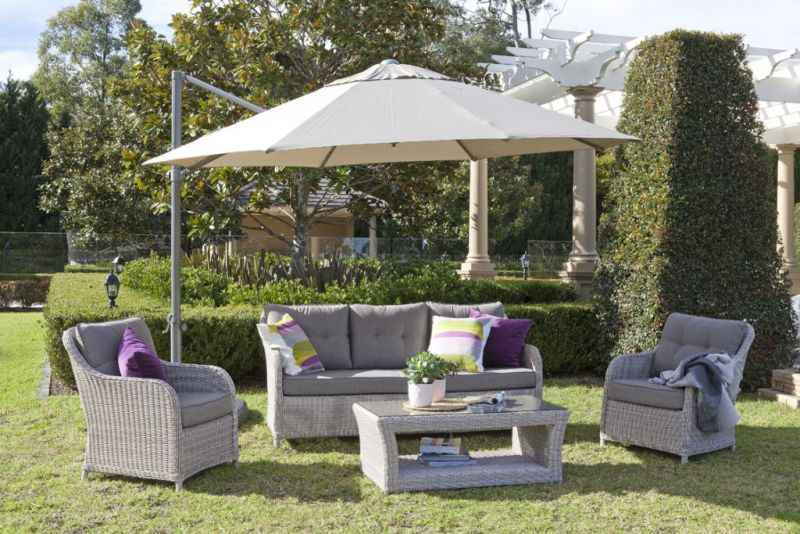
Outdoor sofas and conversation sets work well with multiple scatter cushions in complementary designs. Poolside chaise lounges need cushions that dry fast after wet swimsuits make contact. Deck seating areas and covered patios provide additional placement opportunities where you want both comfort and style.
Key Features to Look for in Outdoor Scatter Cushions
Selecting outdoor scatter cushions requires attention to specific construction details that determine how well they perform over time. The features you prioritise depend on your climate, furniture type, and maintenance priorities.
Waterproof and weather-resistant materials
You need to understand the difference between waterproof and water-resistant when you evaluate cushion fabrics. True waterproof cushions feature sealed seams and water-resistant zippers. Water-resistant options repel moisture but are not fully impervious. Water-resistant materials with good drainage perform better than waterproof options that might trap moisture for most applications.
Solution-dyed acrylic fabrics represent the leading option for weather resistance in outdoor scatter cushions. The material resists fading, stains, mould and mildew while remaining easy to clean. Solution-dyed acrylic integrates colour into the fibre itself during production rather than applying it to the surface. Water beads up and rolls off these fabrics. Complete drying occurs in 30 minutes.
Olefin fabric offers a strong balance between durability and performance. It dries fast and withstands sunlight exposure without fading. Vinyl-coated polyester creates a waterproof barrier for areas prone to heavy rain while the polyester base provides structural durability.
UV protection for colour longevity
Stabilised UV and colour pigments prevent fabrics from fading, becoming damaged, and breaking down. Solution-dyed fibres maintain colour through extended outdoor exposure. This makes them the strongest choice for outdoor scatter cushions exposed to constant sun.
Machine washable covers
Removable, machine-washable covers simplify maintenance. Look for cushions with marine-grade zippers or velcro closures that allow quick and easy removal. This feature proves valuable for outdoor sofa scatter cushions that receive frequent use.
Hypoallergenic filling options
Premium polyfibre fill represents a practical outdoor fill that drains easily, releases moisture, and resists mildew. The material is recyclable and environmentally responsible.
Open-cell foam has pores that allow water and air to flow through easily. This makes it excellent for outdoor upholstery due to quick-drying properties. The foam contains an antimicrobial agent that inhibits fungal growth during the drying process. Specialised quick-dry foam uses reticulation technology with antimicrobial treatment for enhanced performance.
Polyester wrap for cushions is hypoallergenic and often wrapped around other foams for additional protection. It adds a plush, comfortable feel while protecting the inner foam from wear and tear.
Hidden zippers and secure closures
Outdoor cushion zippers face constant environmental stress from UV radiation, moisture, salt, chlorine, and compression forces. Marine-grade zippers resist corrosion in rain or salt air. The zipper tape must resist UV rays, salt, mildew, abrasion, rain, and tension from foam compression. Polyester tape offers UV resistance, abrasion resistance, and moisture stability.
Hidden or invisible zipper designs provide a cleaner aesthetic while maintaining functionality. UV-resistant bonded polyester thread maintains strength despite constant sun exposure.
Choosing Colours and Design Options for Your Space
Colour serves as your most powerful design tool when selecting outdoor scatter cushions for outdoor spaces. Soft blues and greens create calming atmospheres, while warm neutrals and terracottas make areas feel cosy and grounded. Crisp blacks and whites deliver bold, modern aesthetics.
Premium outdoor scatter cushions for well-appointed spaces
Premium outdoor scatter cushions enhance your patio, porch, or garden with expertly tailored designs that blend with existing furniture. These cushions come in quality fabrics and colours. You can mix and match textures while updating outdoor seating sets. Complement your furniture's existing aesthetic or add contrasting pops of colour for fresh visual interest.
Bold colours: yellow and pink outdoor scatter cushions
Yellow outdoor scatter cushions add warmth to any outdoor space. The vibrant tone works especially well when you want to create an uplifting atmosphere. Green makes a strong pairing with yellow since they sit next to each other on the colour wheel and work well when placed side by side. Soften this combination with pastels and gentle gold tones for a contemporary twist.
Pink outdoor scatter cushions range from pale blush shades to bright magentas that enliven spaces. Softer pink shades pair well with earthy neutrals like beige and brown, often functioning as neutrals themselves. Layer blush pink outdoor scatter cushions with plain neutral options on your outdoor sofa for a clean minimalist look. Introduce a neutral rug or grey throw to tie elements together. Crisp whites balance brighter pink shades while maintaining their energy and style.
Natural tones: green outdoor scatter cushions for garden settings
Green outdoor scatter cushions ground your space in natural tones and complement garden colours better than any other hue. The shade associates with nature, growth, and balance, making it well suited for creating grounded atmospheres. Mirror natural colours already present in your space by introducing blends of different green tones. Mix earthy sage and moss shades with zesty pops of lime and emerald, punctuating with neutral whites and greys. Pair lime green garden cushions with warm shades for a vibrant tropical feel.
Mixing patterns and textures
Select two or three accent colours and repeat them in cushions and accessories for cohesive, well-coordinated looks. Establish a core colour palette with one to two main colours and one to two accent shades to avoid chaotic appearances. Pair bold, large-scale prints with smaller, subtle designs. Mix plush cushions with different fabric textures for visual interest. Texture mixing prevents neutral palettes from feeling flat.
Patterns should complement rather than compete. Balance proves essential when introducing stripes, geometrics, and organic prints. Keep cushions more subdued if you choose bold patterned rugs.
Geometric versus floral prints
Floral outdoor scatter cushions pair best with solid colours to avoid overwhelming the eye with conflicting patterns. Choose solid accents matching the hues in your floral cushions. Abstract patterns without clear conventional shapes draw attention to cushions without distracting from other patio elements. Fruit-themed patterns with lemons, oranges, and pineapples pair well with solid or floral prints in similar colours. Lighter, paler shades work well with minimalist aesthetics and give spaces gentler, airier feels.
Selecting the Right Size and Quantity
Getting cushion dimensions wrong creates furniture that looks unfinished or uncomfortable. Cushions that are too small leave gaps and slide around. Oversized options bunch up or overhang awkwardly.
Standard sizes versus large outdoor scatter cushions
Cushion dimensions range from 30 × 30 cm to 61 × 61 cm. Standard deep seat outdoor scatter cushions run 61 cm deep by 61 cm wide, with foam thickness between 10 and 13 cm. This specification works for most deep seat lounge chairs and patio sofas using multiple cushions across the seat.
Large outdoor scatter cushions for sectionals vary by section but measure 71 to 81 cm wide per seat with 61 to 66 cm depth. Back cushions on deep seat furniture stand 30 to 36 cm tall and 10 cm thick.
How many cushions you need for different furniture types
Your furniture type determines cushion quantity. Chairs work with one cushion set, loveseats need two sets, and sofas require three sets. Three-seat patio sofas need three seat cushions and three back cushions, though some designs use a single-piece seat cushion running the full frame length.
Sectionals present more complexity since corner sections often need larger cushions than standard end sections. You will need outdoor scatter cushions in two or three different sizes with the L-shape configuration.
Outdoor sofa scatter cushions: specific considerations
Patio sofa cushions lack the standardisation found in indoor furniture. Seat depth, width per section, and back height vary by manufacturer. Your frame's seat platform depth should be measured from the front edge to where the back cushion sits, not to the back of the frame. Platform width across each seat section should be measured individually since sectional sofas have corner and end sections with different widths. Ordering identical cushions for each section without checking measurements leads to poor-fitting results.
Matching cushion sizes to your seating
Poor results come from inaccurate measurements. Your furniture should be measured, not old cushions, since worn cushions lose filling over time and fabric stretches. A flexible tape measure works for width (side to side at the widest part), depth (front to back at the deepest point), and thickness (top to bottom at the thickest point).
Measurements should be double-checked before ordering. Sizing up more than 1 to 3 cm should be avoided unless the manufacturer recommends it. Any shrinkage from use and fill compression should be accounted for when you measure existing cushions.
Caring for and Storing Your Outdoor Scatter Cushions
Proper maintenance extends your outdoor scatter cushions' life while keeping them fresh throughout the season. Regular care prevents small issues from becoming bigger problems.
Cleaning and maintenance tips
Weekly debris removal prevents buildup, and you should spot clean spills straight away before they set into stains. Mix mild detergent with lukewarm water and sponge the fabric for routine cleaning. Rinse thoroughly and air dry in a well-ventilated area. Avoid using heat to speed up drying since solution-dyed acrylic fabrics contain thermoplastic fibres that are heat sensitive.
Mix equal parts water and distilled white vinegar in a spray bottle for mould and mildew. Apply to affected areas and let sit for 15 minutes. Scrub with a soft brush and rinse. Grass stains respond to a paste made from hydrogen peroxide and baking soda. Oil stains require sprinkling baking soda on the area for 30 minutes, then scrubbing with dish soap and warm water.
Storage solutions when not in use
Outdoor scatter cushions should be stored in dry, ventilated spaces like garages or closets during winter months. Breathable storage bags work better than plastic, which traps moisture and promotes mildew growth. Waterproof outdoor storage boxes provide protection if indoor space is not available. Cushions must be completely dry before storage to prevent mould development.
Extending waterproof outdoor scatter cushions' lifespan
Fabric protector treatments should be reapplied after deep cleaning, as protective coatings wear away with use. Waterproofing spray works best at the start of each spring and summer season and after heavy rain periods. Water should still bead on the surface. If absorption occurs, reapplication is needed.
When to replace your cushions
Signs that outdoor scatter cushions need replacement include visible fading that makes spaces look worn, persistent stains or mildew after cleaning attempts, loss of shape causing discomfort, and compressed filling that no longer provides support.
Conclusion
Outdoor scatter cushions update your patio or garden with the right combination of weather-resistant materials and thoughtful colour choices. Choosing quality options with UV protection and waterproof fabrics means you enjoy comfortable outdoor living without constant replacements.
Choose cushions that match your furniture dimensions and complement your design vision. Your local climate matters too. Regular maintenance extends their lifespan, while proper storage during off-seasons protects your outdoor scatter cushions.
The right outdoor scatter cushions do more than add comfort. They complete your outdoor space and reflect your personal style.
FAQs
Q1. What makes outdoor scatter cushions different from regular indoor cushions? Outdoor scatter cushions are specifically engineered with weather-resistant fabrics like solution-dyed acrylic, olefin, or treated polyester that resist UV damage, moisture, and mildew. They feature quick-dry foam with open-cell structures that allow water to pass through and dry within hours, unlike indoor cushions that use natural fibres and standard foam which absorb moisture and lack UV protection.
Q2. How do I know when to replace my outdoor scatter cushions? Replace outdoor scatter cushions when you notice visible fading, persistent stains or mildew that will not come out after cleaning, loss of shape causing discomfort, or compressed filling that no longer provides support. The lifespan depends on the quality of materials, protective treatments, and how well you maintain them. Solution-dyed acrylic cushions last significantly longer than standard polyester options.
Q3. How many outdoor scatter cushions do I need for my patio furniture? The number depends on your furniture type: one cushion set works for chairs, two sets for loveseats, and three sets for sofas. Three-seat patio sofas typically need three seat cushions and three back cushions. For sectionals, you will need to measure each section individually as corner pieces often require different sizes than end sections.
Q4. Can I leave outdoor scatter cushions outside in the rain? Yes, quality outdoor scatter cushions with water-resistant or waterproof materials can be left outside during rain. Solution-dyed fabrics repel water, causing it to bead up and roll off, with complete drying occurring within 30 minutes to a few hours. However, storing them during extended periods of non-use or harsh weather will extend their lifespan.
Q5. How do I clean and maintain my outdoor scatter cushions? Brush off debris weekly and spot clean spills immediately. For routine cleaning, use mild detergent with lukewarm water, sponge the fabric, rinse thoroughly, and air dry in a well-ventilated area. For mould or mildew, apply a mixture of equal parts water and distilled white vinegar, let sit for 15 minutes, scrub with a soft brush, and rinse. Reapply fabric protector treatments regularly to maintain water resistance.