




Recently viewed


The right outdoor lighting can reshape the scene of your exterior spaces from ordinary to extraordinary. Your options range from bunker lights and wall lights to garden lights and flood lights, and you need to think over what fixtures will work best in your outdoor areas.
Quality outdoor lighting must endure Australia's varied climate conditions. The best weatherproof outdoor lights work in temperatures from -20°C to 40°C and handle humidity levels up to 85%. You might want elegant outdoor pendant lighting to create ambience in entertaining areas or practical outdoor LED lighting for pathways. Your specific requirements will determine the best choice. Quality fixtures must meet Australian standards with appropriate IP ratings (IP44 to IP66) to ensure lasting performance whatever the weather.
A solid understanding of simple concepts will help you plan your outdoor lighting project. Your first task is to decide what you want to achieve and which areas of your property need highlighting.
Types of outdoor lighting fixtures
Outdoor lighting has many forms that serve different purposes in exterior spaces:
- Wall lights and sconces mount onto exterior walls to light up entrances, patios, and general surroundings. These versatile fixtures range from decorative wall lanterns to modern downlights and can be equipped with motion sensors to boost security.
- Pendant lights and chandeliers hang from ceilings in covered spaces like porches and patios. They define social areas and provide overhead lighting. You can group pendants together, while chandeliers usually work as standalone statement pieces.
- Pathway and bollard lights create safe routes through gardens and along driveways. These low-profile fixtures guide movement and set boundaries without causing glare.
- Spotlights and floodlights provide focused light for security or to showcase specific landscape features. Their intense beams light up large areas or draw attention to architectural elements.
- Solar lights employ sunlight to power self-contained units. They offer eco-friendly lighting without wiring needs—especially when you have gardens and pathways to illuminate.
Modern outdoor lighting also includes deck lights, string lights, and in-ground fixtures that reshape your exterior spaces with minimal visual impact during daylight hours.
Common lighting goals: safety, ambience, and function
Your outdoor lighting system should align with your goals. Most outdoor lighting serves one or more of these main purposes:
Safety and security lighting keeps unwanted visitors away and helps monitor your property at night. Well-designed security lighting can improve your home's beauty while protecting it.
Ambience and aesthetics create mood and highlight architectural features. Architectural lighting showcases your home's structural elements through well-placed uplights and downlights. Landscape lighting brings gardens and hardscape features to life after sunset.
Navigational safety lets people move around your property without risk. This includes lighting up potential hazards like steps, stairs, and elevation changes to prevent accidents in low-light conditions.
Functional task lighting makes outdoor spaces usable after dark. Well-lit outdoor living areas become natural extensions of your home, with task lighting for cooking and ambient lighting for relaxation.
Where to use outdoor lighting: patios, gardens, driveways
Each area of your exterior needs a specific lighting approach:
Patios and entertaining spaces need layers of light. Use pendants or ceiling fixtures for overall illumination and accent lighting for ambience. Warm light between 2000K-3000K creates a cosy, inviting atmosphere perfect for gathering.
Gardens and landscaped areas shine with spotlights or uplights on special features like trees, sculptures, or water elements. Path lights ensure safe navigation and add visual interest to planted borders.
Driveways and entrances need visibility and security. Bollards or wall lights guide visitors to your door. Cool white light (4000K-6000K) improves visibility in these functional areas. Motion sensors help maintain a peaceful nighttime environment when the space isn't used.
Perfect outdoor lighting comes from thoughtful layering. Combine ambient, task, and accent lighting to create flexible, inviting exterior spaces that blend naturally from day to night.
Key Features for Outdoor Lighting
The right outdoor lighting features will give you lasting performance and optimal efficiency in Australia's tough climate. You'll find many options out there, and everything in selecting the right characteristics will help you make better decisions about your exterior lighting.
Weatherproof outdoor lights and IP ratings
The Ingress Protection (IP) rating system is a vital part of selecting outdoor lighting fixtures. A two-digit code shows how well the light resists solid particles (first digit, 0-6) and moisture (second digit, 0-8).
You'll need to know these IP ratings to choose outdoor lighting:
- IP44: Works best in sheltered outdoor spots like covered patios and areas under eaves. These lights can handle water splashes but won't stand up to heavy rain.
- IP65-IP66: Perfect for exposed outdoor spots like garden walls, driveways, and fences. These lights are completely dust-tight and can withstand low-pressure water jets (IP65) or high-pressure water jets (IP66) from any direction.
- IP67-IP68: Great for spots near water features or coastal areas. IP67 lights can handle being underwater up to 1m for 30 minutes, while IP68 fixtures are sealed to work continuously underwater—making them perfect for pool lighting.
Coastal areas bring another challenge - salt spray. You'll need IP66 ratings plus marine-grade materials to protect your lights properly.
Energy efficiency and outdoor LED lighting
LED lighting leads the way in energy-efficient outdoor illumination with several advantages over older options:
- Extended lifespan: LED bulbs last 25 times longer than traditional lights, which means less frequent replacements and lower maintenance costs.
- Lower power use: Outdoor LED lights use 75-85% less energy than halogens. A 12W LED wall light matches a 50W halogen's output, saving 38W per fixture.
- Safety benefits: LEDs run cooler than halogen bulbs, making them safer in gardens and reducing fire risks in bushfire-prone areas.
- Reliable brightness: LED lights stay bright throughout their life without the dimming you see in other lighting types.
Quality outdoor LED fixtures now come with weatherproof designs that handle Australia's climate well, working in temperatures from -10°C to 40°C.
Solar outdoor lighting vs wired options
Your choice between solar-powered and wired lighting depends on several factors:
Installation and cost factors: Solar lights cost less upfront and you can install them yourself without electricians, permits, or connecting to your home's power. Wired systems cost more initially but are a better long-term value through their longer life and steady performance.
Performance reliability: Wired lights work reliably whatever the weather or season. Solar lights need good sunlight and might not work as well during cloudy periods or winter months when daylight is shorter.
Brightness and control options: Wired systems give you consistent brightness and work with smart controls, including remote operation, timers, and motion sensors. Solar options usually have simpler features, though the technology keeps improving with better storage and battery backup.
Best applications: Solar lights work great for garden accents, temporary setups, and spots far from power sources. Wired options are better for security lighting, entry points, and main outdoor living areas where you need reliable performance.
To get the most efficient lighting from either system, pick fixtures with high-quality LED bulbs. If you go solar, make sure to place the panels where they'll get plenty of sunlight.
Planning Your Outdoor Lighting Layout
A detailed outdoor lighting layout needs strategic planning to balance functionality, aesthetics, and environmental considerations. Your exterior spaces can look beautiful and practical after dark with a well-designed outdoor lighting plan.
Layering light: ambient, task, and accent
Professional designers use light layering techniques to create depth and visual interest in outdoor spaces, just like they do indoors. This technique combines three distinct lighting types:
Ambient lighting serves as your base layer and provides general illumination. Wall lights, lanterns, or tree lights create comfortable, even brightness throughout an area. This foundation lighting helps you move through your outdoor spaces safely.
Task lighting focuses illumination on specific activities. This category includes pathway lights, deck lights, and spotlights for barbecue areas. You should position task lighting to highlight key areas without creating glare, which ensures safety and functionality.
Accent lighting adds the decorative final layer. Spotlights, uplights, and decorative fixtures draw attention to landscape features, architectural elements, or garden focal points. This lighting plan's "jewellery" creates visual interest and dimension.
Your outdoor lighting scheme becomes multi-layered and visually engaging when you combine these three types thoughtfully. This approach eliminates the flat, uninviting look of single-source illumination.
How to map lighting zones
Start mapping your outdoor lighting zones with a property walkthrough to identify areas needing illumination. Each space has specific lighting goals based on its use:
- Entertaining areas like patios need a mix of overhead lights, wall-mounted fixtures, and accent lighting that complement each other
- Pathway and walkway lights should create guiding pools of light without a "runway" effect
- Security zones require elimination of dark corners and potential hiding spots
Your property can be categorised into these lighting zones based on function, with brightness levels adjusted accordingly. Lower lighting zones should take priority when setting criteria.
Avoiding over-illumination and glare
Poor fixture positioning and excessive brightness often create uncomfortable glare and light trespass that affect you and your neighbours.
These solutions help minimise such problems:
Position fixtures thoughtfully by directing lights downward or toward target areas instead of horizontally across property lines. Trees or features need uplighting at angles between 30 to 45 degrees to highlight without creating unwanted spillover.
Control brightness levels by using low-lumen LEDs for paths and accents. Subtle lighting often creates more elegance and effectiveness than intense brightness. Garden surface materials might reflect more light into the night sky than you expect.
Incorporate lighting controls like timers, motion sensors, and dimmers to provide light only when needed. These controls can dim lights when possible and turn them off automatically when not in use. This approach reduces light pollution and saves energy.
A thoughtful lighting design creates beautiful, functional outdoor spaces while respecting your neighbours and the night environment.
Choosing the Right Style and Fixture
Your outdoor lighting design rests on the fixtures you choose. These elements do more than just work - they add to your home's visual appeal throughout the day and night.
Outdoor pendant lighting for covered spaces
Pendant lights create a warm, inviting atmosphere in sheltered outdoor areas and provide the light you need. These fixtures work best in covered spots like patios, pergolas, porches, or entryways that shield them from direct weather. You'll need pendants with at least IP44 rating to protect them from moisture and outdoor conditions.
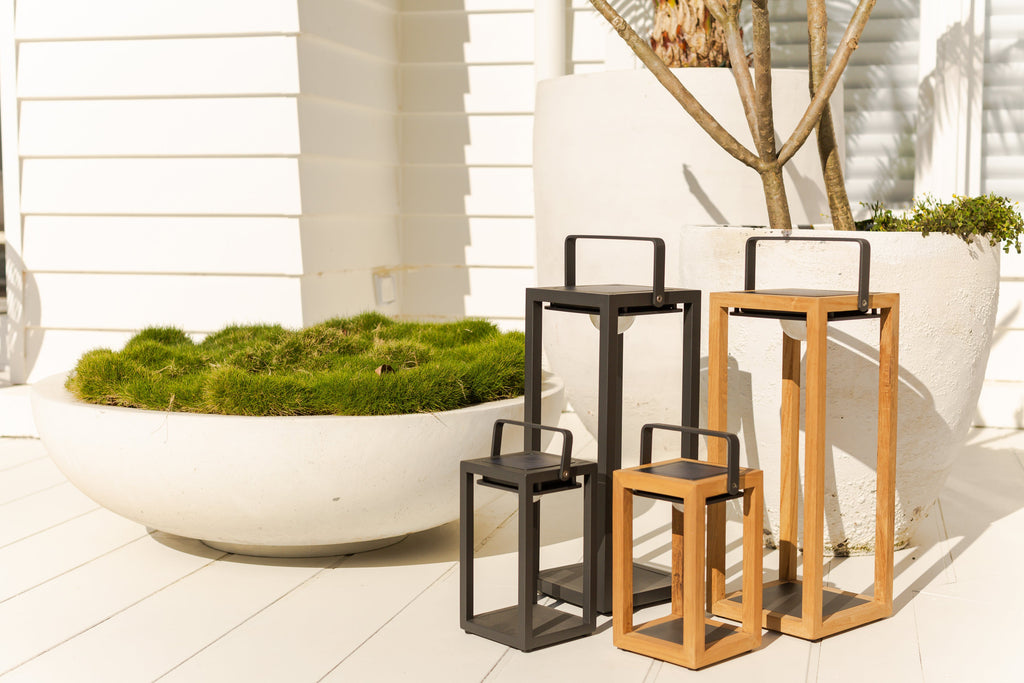
Hardwood timbers, ceramic, and powder-coated metal make excellent choices because they last longer outdoors. Your outdoor lighting scheme becomes complete when you combine pendants with wall lights and free-standing lamps.
Wall lights vs bollards vs spike lights
Different fixtures serve unique roles in your outdoor lighting plan:
- Wall lights shine best near stairways and entrances. They come in modern angular designs or traditional lantern styles to match your taste. These lights excel at brightening boundary walls and creating welcoming entryways.
- Bollards light up paths beautifully and cast a soft glow on nearby plants. They act like mini street lights in bigger gardens and come in styles that shine all around or in specific directions.
- Spike lights adapt to any situation, which makes them perfect for modern geometric courtyards. You can adjust their angles to highlight architectural features, water elements, or crucial areas like poolsides.
Matching lighting to your home's architecture
Your lighting should match your home's architectural style to create a unified look. Sleek geometric lights in black or stainless steel finishes suit modern minimalist homes. Classic lanterns or wrought iron designs work better with heritage or Hamptons-style houses.
Homes near the coast need fixtures with marine-grade finishes to fight corrosion. Your property looks better when you use consistent materials and finishes. The same matte black or brushed stainless across multiple fixtures creates a cohesive design.
Size matters too. Outdoor spaces can make fixtures look smaller, so slightly larger pieces often fit better once installed.
The right outdoor lighting reshapes your property's look and function. We've explored how good lighting improves safety, sets the mood, and lets you use your outdoor spaces after dark.
You need to think over weather resistance first. The right IP ratings help your fixtures handle Australia's varied climate conditions. LED lights are nowhere near as power-hungry as traditional options, and they last longer while performing better.
Your lighting works best in layers. A mix of ambient, task, and accent lighting adds depth and visual interest that meets practical needs. This setup, along with smart fixture placement, helps you avoid glare and light pollution.
Style is just as important as function. Pendant lights on covered patios, bollards along pathways, and wall lights at entrances add to your home's beauty day and night. These elements should match your home's architecture to create a clean, unified look.
Smart technology lifts outdoor lighting to new heights. Motion sensors, programmable settings, and wireless controls improve convenience and cut down energy use by a lot.
Good outdoor lighting needs planning, but the results are worth it. The right setup makes your outdoor spaces more beautiful, useful, and secure—making them a natural extension of your home. You should assess your needs, look at your options, and build a lighting plan that fits your lifestyle and property.
FAQs
Q1. What colour temperature is best for outdoor lighting? For outdoor lighting, warm white (2700K-3000K) is ideal for creating a cosy atmosphere in entertaining areas. However, for pathways and security zones, cooler temperatures (4000K-5000K) provide clearer visibility. Choose based on the specific area and purpose of your lighting.
Q2. How should I space my outdoor lights? As a general rule, space pathway lights about 1.8 to 2.4 metres apart. For wall-mounted fixtures near entrances, position them at approximately 1/4 to 1/3 the height of your door. This spacing ensures even illumination and aesthetic appeal.
Q3. How bright should my outdoor lights be? The brightness of outdoor lights depends on their purpose. For pond or pool lighting, aim for 200-400 lumens. Wall-mounted hardscape lights work well at 50-185 lumens, while landscape lighting for gardens or shrubbery is effective at 50-300 lumens.
Q4. What are some key features to look for in outdoor lighting? When choosing outdoor lighting, look for weatherproof fixtures with appropriate IP ratings (IP44 to IP66). Consider energy-efficient LED options, which offer longevity and consistent performance. Also, explore smart features like motion sensors and programmable settings for enhanced functionality and energy savings.
Q5. How can I create an effective outdoor lighting layout? To create an effective outdoor lighting layout, use a layered approach combining ambient, task, and accent lighting. Map out different zones based on function, such as entertaining areas, pathways, and security zones. Avoid over-illumination by using appropriate brightness levels and positioning fixtures thoughtfully to minimise glare and light pollution.