





Recently viewed


Choosing Outdoor Chairs That Last
Quality outdoor chairs can turn your garden, patio or balcony into a perfect retreat. Family gatherings and dinner parties thrive here during the warmer months. A smart investment in good seating creates an inviting atmosphere and keeps your outdoor space functional throughout multiple seasons.
The right outdoor furniture chairs need careful thought about materials, design and durability. Wood chairs give a timeless look, while cushioned seating adds extra comfort to your relaxation time. You don't need expensive options - budget-friendly chairs can serve you well if you know the right features to look for. Materials like timber, metal, plastic and wicker each bring their own benefits for weather protection and upkeep needs.
Don't rush to buy those stylish outdoor chairs you've spotted online. Taking proper measurements of your outdoor space will save you time and prevent disappointment. Your area's layout and dimensions play a key role in picking the right size and type of furniture that works best.
Understanding Your Outdoor Space
Balcony, patio, or garden: what works best
Every outdoor setting comes with its own set of possibilities and challenges. Balconies usually have limited space, so compact or multi-functional outdoor chairs work best here. You'll want sleek, streamlined pieces that don't take over the area. Folding or stackable outdoor chairs are great because you can store them away when you're not using them, which frees up more floor space.
Patios connect your home to your garden, making them perfect spots for flexible seating. Lightweight outdoor chairs that you can move between sun and shade work really well here. If you have a covered patio, you've got more options with materials since your furniture won't face harsh weather all the time.
Gardens give you the most room to work with. The extra space lets you create different zones—maybe some comfy lounge chairs in one spot for relaxing and dining chairs around a table in another. You can fit larger pieces like sectionals or big dining sets that wouldn't work in smaller spaces.
Whatever space you have, let your planned activities guide your chair choice. A dining area needs different seating than a space meant for lounging or entertaining guests.
How space size affects chair choice
The size of your outdoor chairs compared to your available space affects both how they work and look. Well-scaled furniture creates an inviting atmosphere, while pieces that are too big or small can mess up your outdoor area's flow and usefulness.
Small spaces like compact balconies or modest patios work better when you:
- Pick chairs with fine frames and legs instead of chunky designs to create open space underneath, which makes the area look bigger
- Use bench seating that slides completely under tables when not needed
- Try bar-height tables and stools—they usually take up less space than regular dining sets
- Plan about 60cm of table space for each person
Bistro sets work great in tight spaces. On top of that, modular furniture lets you switch things around as needed.
Bigger outdoor spaces give you more freedom but come with their own challenges. Large areas can feel disconnected without careful planning. You might want to create multiple zones—one for dining with wooden outdoor chairs and another with cushy seating for lounging.
Good traffic flow matters no matter what size space you have. Leave 30-48 inches (76-122cm) for busy walkways and at least 24 inches (61cm) where there's less movement. The longest piece of furniture should go along the longest wall or edge, facing your focal point—this helps anchor the space.
Sketch out your layout on paper before you buy your outdoor chairs. This simple step helps you picture the arrangement and saves you from moving furniture around later. Look at any unique features in your space like slopes, steps, or landscaping that might affect where you put your furniture.
The right balance between your outdoor space and furniture creates a spot that's both practical and beautiful. Your outdoor chairs—whether they're budget-friendly for now or investment pieces for the long run—should work with your space dimensions, not against them. With good planning, even the tiniest balcony can become your favourite outdoor spot.
Choosing the Right Chair Type
The perfect outdoor chair needs more than just an attractive design. You need to understand how different chairs work for various outdoor activities and fit your lifestyle. Yes, it is amazing how the right chair can reshape the scene from ordinary to exceptional.
Dining chairs vs lounge chairs
Your outdoor space needs dining and lounge chairs for completely different purposes. Dining chairs give you upright support and practicality, making them perfect for meals and social gatherings. These chairs come with firmer construction, higher seating positions, and ergonomic designs that work well around dining tables. Lounge chairs focus on pure relaxation with deeper seats, angled backs, and extra comfort for long periods of rest.
Think over how you use your outdoor area most often. Outdoor dining chairs give you the right posture and height to eat comfortably during entertaining and al fresco dining. Your outdoor space might serve as a personal retreat for reading or relaxation, and lounge chairs offer that relaxed comfort you'll love.
Dining chair benefits:
- Supports proper posture during meals
- Pairs easily with dining tables of various heights
- Often more space-efficient for entertaining groups
Lounge chair advantages:
- Built for long periods of relaxation
- Has more generous cushioning and support
- Comes with wider armrests and reclined positioning
Larger gardens or patios work well with distinct zones. You might want a dining area with wooden outdoor chairs and a separate lounging space that has comfortable outdoor lounge chairs for after-meal relaxation.
Foldable and stackable options for flexibility
Space-saving designs let you adjust your outdoor area based on your needs. Foldable and stackable chairs give you exceptional versatility, especially if you have limited outdoor space or often entertain large groups. You can store these chairs away when not needed.
Foldable garden chairs work great for smaller gardens or balconies. You can set them aside easily when you need space for other activities. This helps you stay flexible without giving up comfort or style. Stackable chairs help maximise your outdoor space and provide extra seating for guests.
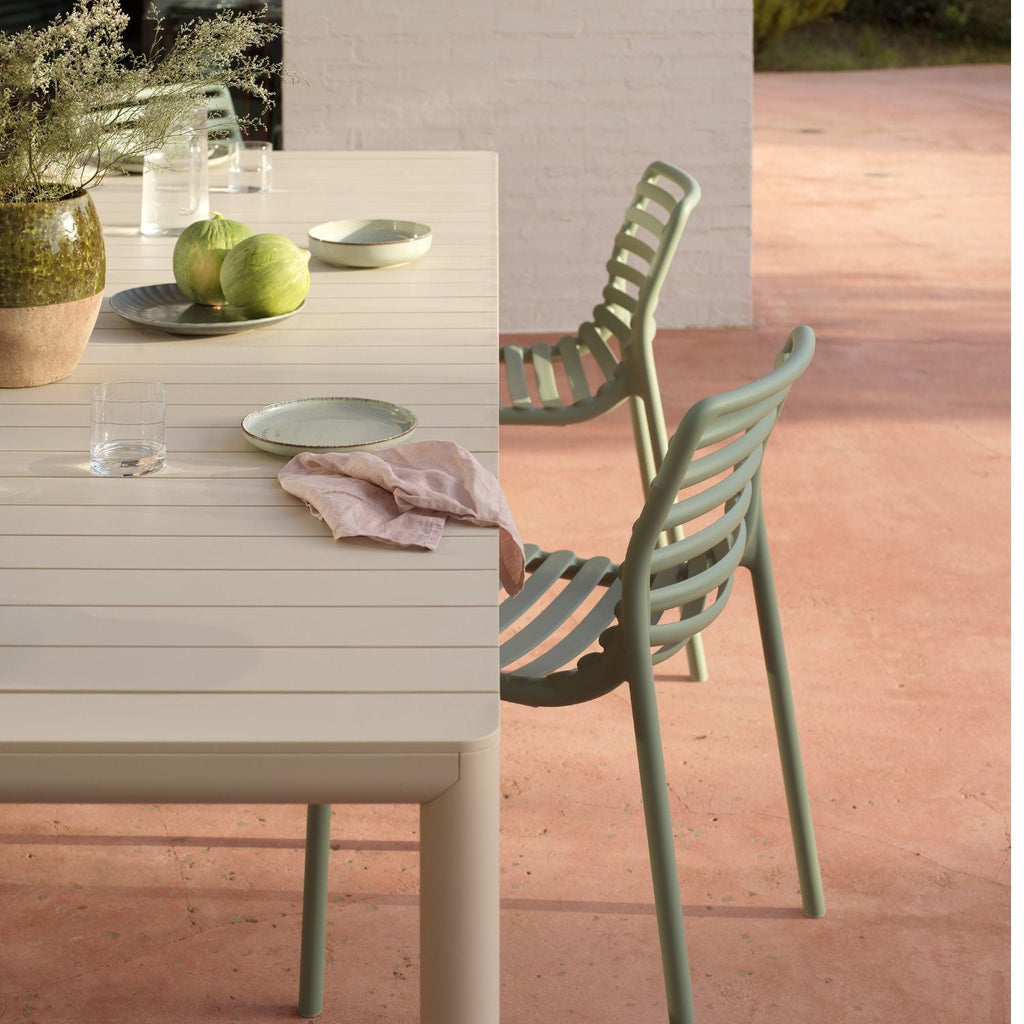
Modern outdoor furniture designers now create sleek, stylish folding and stacking chairs that look great. These chairs use weather-resistant materials like aluminium or resin. They stand up to British weather and remain light enough to move around easily.
These flexible seating options do more than save space - they let you adapt your outdoor area for different occasions throughout the year.
Adirondack and director's chairs for style
Adirondack chairs blend distinctive style with exceptional comfort as a classic outdoor seating choice. Their wide armrests, high backs, and slanted seats make them perfect for lounging and relaxation in garden settings. The chair's wide armrests give you plenty of space to rest your arms or hold drinks and books. Its slanted seat creates a natural reclining position that helps reduce lower back strain.
You can find Adirondack chairs in traditional wood or low-maintenance plastic and resin. They handle the elements well while adding rustic charm or modern flair to your outdoor décor. Weather-resistant cushions or padded pillows boost comfort during longer sitting periods.
Adirondack chairs do more than provide seating - they become your garden's focal point that draws people to relax and chat. These chairs look amazing in casual garden settings or around fire pits for evening get-togethers.
Director's chairs give you a more portable option with light frames that fold up. They add a touch of Hollywood glamour to your outdoor space while staying practical for various settings.
The most beautiful chair won't help much if it doesn't match your comfort needs or lifestyle. Line up your chair choice with how you actually use your space rather than following trends.
Materials That Withstand the Elements
Your outdoor chairs' durability depends on what they're made from. The right material helps your furniture handle tough British weather, from sudden rain showers to long hours in the sun.
Wooden outdoor chairs: pros and cons
Wood adds natural warmth and character to outdoor spaces. Not all wooden chairs can handle the weather equally well though. Teak stands out as an excellent choice because its natural oils give it superior resistance to water, insects, and decay. These properties help it avoid warping, cracking, and rotting, even in wet conditions. If you take good care of teak furniture, it can last for decades with minimal upkeep. This makes it worth the investment despite its higher price.
Cedar and acacia are also great timber choices that naturally resist moisture and insect damage. Cedar's natural air pockets insulate it against temperature changes and help prevent cracks or warping. Acacia's dense grain structure makes it nowhere near likely to warp or get damaged. With basic care, it can last over 30 years.
Pros of wooden outdoor chairs:
- Create a warm, casual feeling in your outdoor space
- Naturally comfortable in varying temperatures (unlike metal)
- Develop character over time, with teak developing a silver patina
- When properly sealed, can withstand sunlight, wind, and rain
Cons of wooden outdoor chairs:
- Require regular maintenance (oiling, sealing or varnishing)
- Need protection from prolonged moisture exposure
- Without treatment, can fade, crack or splinter over time
- Higher quality hardwoods come with substantial price tags
Metal and aluminium: rust resistance
Aluminium leads the pack among metal options for outdoor chairs. It's light yet tough, and naturally fights off corrosion without ever rusting, even in wet conditions. This makes it perfect for British gardens where rain shows up year-round.
Most aluminium chairs come with powder-coated finishes that add extra protection from the elements. The coating makes them more durable and lets you pick from various colours to match your garden's style. These chairs work great in coastal areas where salt air quickly damages other materials.
Stainless steel gives you another solid metal option for outdoor use. Quality stainless steel resists weather damage exceptionally well, though you'll need to maintain its shine. Both aluminium and steel can get hot in direct sunlight, so you might want to add cushions for comfort.
Plastic and resin: low maintenance options
Plastic and resin materials are your best bet if you want truly easy-care outdoor chairs. Modern polypropylene resin furniture really shines with its toughness and weather resistance. Its chemical structure keeps it from corroding, which saves you from constant maintenance.
Polypropylene resin chairs usually include UV protection to keep their colours bright even after lots of sun exposure. They handle extreme conditions well, making them great for various Australian settings, from sunny beaches to inland gardens. The resin can expand and contract as temperatures change without getting damaged.
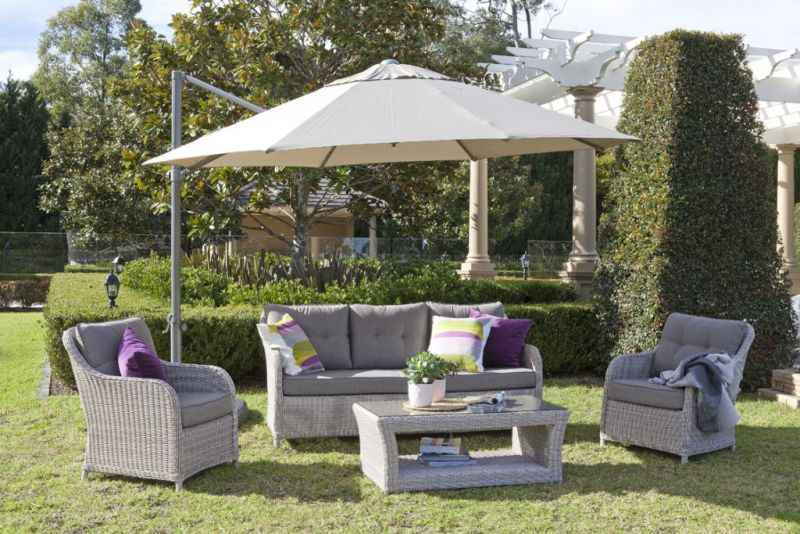
Synthetic wicker made from resin offers a stylish look that copies traditional wicker but lasts much longer. It won't fade in sunlight and handles moisture well, which makes it perfect to create cosy outdoor seating areas.
High-quality plastic chairs have gotten much better recently. They're usually cheap, light, and stackable, and many are made from almost 100% recycled materials. You'll need to clean them regularly to avoid that dull look that builds up over time. Water-protective silicone sprays can help waterproof and protect your plastic furniture from moisture damage.
Your choice of material should match both your style priorities and practical needs. Think about your local weather and how much time you want to spend on maintenance.
Comfort That Lasts All Day
Your outdoor chairs' comfort level directly affects how much time you'll spend enjoying your garden or patio. Even the most beautiful and durable chair will collect dust if it's not comfortable.
Cushioned vs non-cushioned seating
The choice between cushioned and non-cushioned outdoor seating usually depends on your lifestyle and how you plan to use them. Cushioned outdoor furniture gives you a soft, pressure-relieving surface that works great for longer relaxation periods. Thicker cushions provide more contouring support and help reduce pressure points while you lounge.
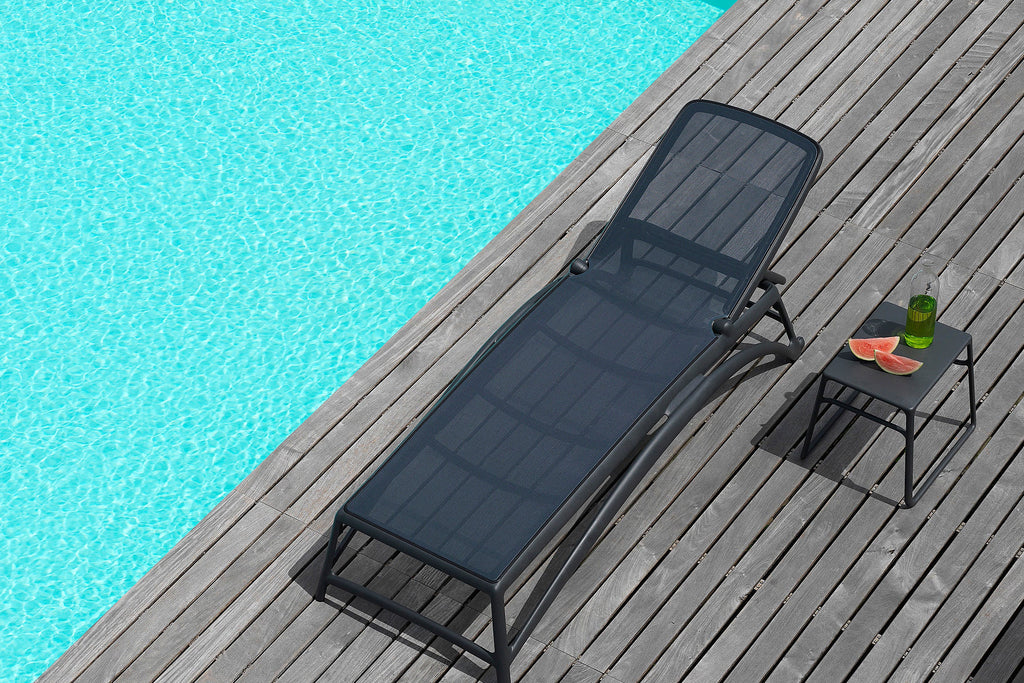
Non-cushioned options like sling furniture have their own benefits. The tight, supportive mesh naturally fits your body's shape and helps with proper spine alignment. You'll stay cooler on hot summer days thanks to better air circulation. Sling chairs work really well near pools since they dry quickly after getting wet.
Let's talk about maintenance:
- Cushioned chairs need more care since sun, rain, and British dampness can cause bleaching and mildew
- Non-cushioned furniture is more durable and needs minimal upkeep - just wipe down metal surfaces or brush off woven seats
- People with smaller gardens love non-cushioned designs because they can fit more chairs in tight spaces
Many outdoor furniture stores sell chairs with removable cushions. This gives you the freedom to add comfort when you want without committing to it permanently.
Ergonomic design for long sitting hours
Support becomes vital if you'll sit in your outdoor chairs for hours. Chairs with good ergonomic design help your posture and spine health. They also reduce the risk of lower back pain, neck strain, and discomfort in shoulders and legs.
Key ergonomic features should include well-placed lumbar support and properly designed armrests. These features not only make the chair more comfortable but also help maintain good posture. Poor chair design can cause physical strain after just a few hours.
Aluminium outdoor chairs often lead the pack in ergonomics. Their frames can be shaped to give excellent back and lumbar support. An aluminium chair might be your best bet if you and your guests plan to sit for extended periods.
Modern ergonomic garden chairs come with adjustable features that you can customise for maximum support. This adaptability helps maintain proper spine alignment and takes pressure off your joints and nerves. You'll end up spending more time comfortably enjoying your outdoor space.
How to test for comfort before buying
The most important step when buying outdoor chairs is simple - sit in them first. This hands-on approach lets you feel the comfort level yourself instead of just going by descriptions or looks.
While testing, check these points:
- The chair should fit your body shape and size well
- Your feet should touch the ground comfortably when seated
- Lower back support should line up naturally
- Cushions shouldn't be too soft - you don't want to "bottom out" after 20 minutes
For cushioned chairs, check the padding quality and density. High-quality, dense cushions stay comfortable longer, while cheaper ones quickly lose their support. The chair's size should match your body to give you proper support.
Style and material aside, your outdoor chairs should make you want to use them often. The Siano Dining Chair shows how cushioned seating can work perfectly for long sitting sessions. Pick chairs that make you want to spend more time outdoors throughout the year.
Maintenance Tips from Garden Experts
Your outdoor chairs can last much longer than expected with the right care. Garden experts say regular maintenance makes furniture more durable and keeps it looking new.
Cleaning tips for different materials
Each material needs its own cleaning method to look its best:
Wood: Mix mild oil-based soap with warm water and use a soft-bristled brush along the grain. You can also mix 1/4-cup ammonia, 2 tablespoons white vinegar, and 1 quart of warm water to make an effective cleaner. Teak and other hardwoods need yearly sanding and a protective finish to stay beautiful.
Metal: You can stop oxidation on aluminium with a 1:1 solution of white vinegar and water. Stay away from ammonia and alkaline cleaners since they cause oxidation. A coat of automotive wax after cleaning helps protect the surface.
Plastic/Resin: Mix 1/2 cup baking soda with 1 gallon of warm water for a good cleaner. Tough stains need 3 tablespoons of dishwasher detergent in 1 gallon of warm water. White distilled vinegar on a clean rag works great on stubborn marks.
Wicker: Start by hoovering up dust from all the nooks. Clean with a damp cloth and mild soap, but don't get it too wet. Let wicker dry completely so mould doesn't grow.
Seasonal care routines
Spring preparation: Check your furniture for winter damage first. Metal and wooden furniture might need loose screws or bolts tightened. Give everything a deep clean to get rid of built-up debris.
Summer maintenance: Clean your furniture weekly. Keep cushions inside when not used or get waterproof covers to avoid mildew.
Autumn care: Wooden furniture needs a fresh coat of sealant before cold weather hits. Metal pieces might need protective coating to stay rust-free during wet weather.
When to cover or store your chairs
Garden experts used to say all furniture should go inside for winter. Now, quality pieces can stay outside with proper protection. Outdoor furniture needs sturdy, waterproof covers that let air through to stop moisture building up.
Make sure furniture is clean and dry before covering it. Trapped moisture leads to mould and mildew. The furniture should sit slightly above ground level to avoid water or snow contact.
Cushions and fabric items should go inside. Terry Lin, Outer's chief design officer, recommends storing cushions "in a tightly sealed cloth bag or airtight container" during off-season.
Final Thoughts on Outdoor Chair Selection
Australia weather makes it crucial to think about several key factors when picking outdoor chairs. This piece shows how your outdoor space's size shapes your furniture choices - from tiny balconies to large gardens. You'll also find that materials like teak, aluminium, and modern resins each bring their own benefits to keep your furniture looking great well.
Durability matters, but comfort is just as important. You'll want chairs that look good and feel great - that's what turns outdoor spaces into places you'll use instead of just look at. The right maintenance routine can make your furniture last substantially longer. Basic cleaning and seasonal care are the difference between chairs that fall apart and ones that stay strong for years.
Quality outdoor furniture doesn't have to break the bank. Smart shopping helps you find budget-friendly options that last exceptionally well. Focus on solid build quality, weather-appropriate materials, and good warranties rather than just the price tag.
Your outdoor chairs should match your lifestyle and personal priorities. The right picks can make your outdoor space feel like another room in your home. These chairs become part of countless summer evenings, spontaneous get-togethers, and quiet moments alone. Take care in choosing and maintaining them, and they'll stay beautiful and useful long after you've replaced other garden furniture.