





Recently viewed


What Is an Outdoor Reading Chair and How to Choose One
Choosing an outdoor reading chair can enhance your outdoor space. You might want a comfy outdoor reading chair for afternoon novels or a cosy one for morning coffee. The right selection makes all the difference. This guide walks you through what defines a patio reading chair, features to prioritise, how to choose the best outdoor reading chair for your space, and tips for creating a comfortable outdoor reading nook.
What Is an Outdoor Reading Chair
Definition and purpose
An outdoor reading chair serves as dedicated seating designed for relaxation and extended reading sessions in outdoor spaces. These chairs turn your verandah, patio, or backyard into a personal reading nook where you can unwind with a good book while enjoying sunshine or fresh air. A comfortable outdoor reading chair puts your comfort first during long periods of sitting, whether you are reading a novel, watching your surroundings, or simply seeking peace and quiet. General-purpose seating does not offer this focus.
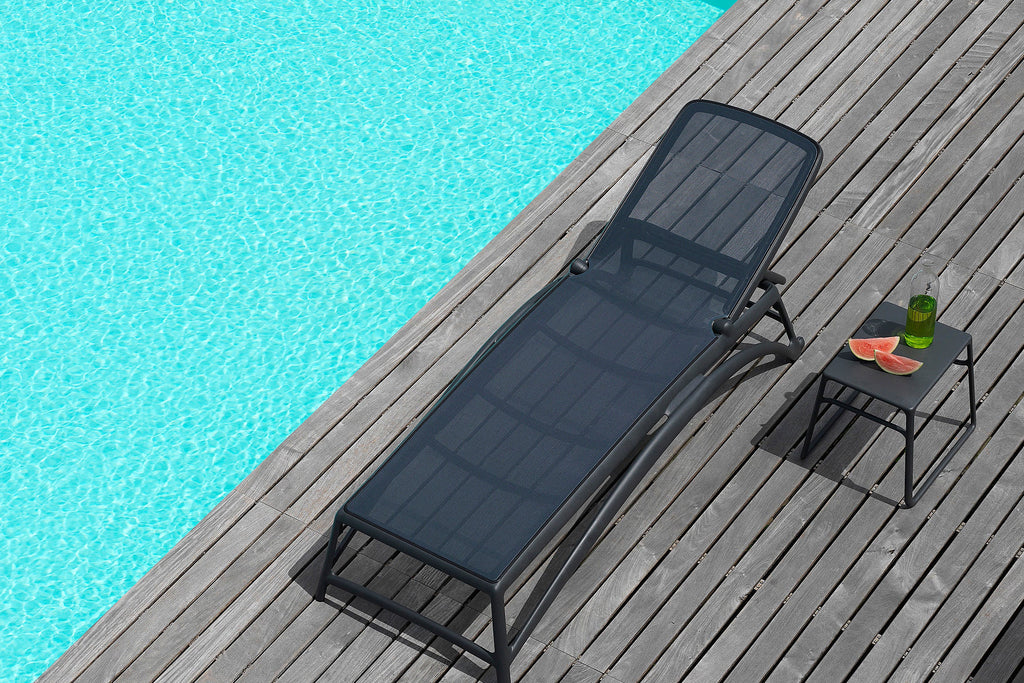
The best outdoor reading chair creates a dedicated outdoor space that encourages relaxation and quiet moments. You will find several styles tailored to different priorities. Adirondack chairs feature wide armrests suited for balancing your coffee mug and novel. Rocking chairs provide gentle motion that keeps you comfortable during evening reading sessions. Zero-gravity recliners ease tension and deliver ergonomic support for extended reading sessions. Chaise lounges allow full-body relaxation in sun or shade.
These chairs benefit anyone wanting to unwind. Busy parents need moments of peace. Retirees savour their mornings, and students seek quiet study spots. You can even find smaller-scale versions that invite young readers to develop their love of books outdoors.
Key differences from regular outdoor furniture
Standard outdoor furniture focuses on durability and weather resistance for various activities and gatherings. Regular patio pieces must withstand elements like sunlight, rain, and temperature changes. They emphasise practical design over specialised comfort. A cosy outdoor reading chair balances weather resistance with features engineered for extended sitting and relaxation.
Material selection differs considerably. Your patio reading chair needs durable materials like treated timber, powder-coated metal, or weather-resistant wicker that handle morning dew and spring showers without damage. Regular outdoor furniture uses similar materials but does not incorporate the same comfort-focused construction.
Comfort specifications set reading chairs apart. Comfort comes down to measurements: seat depth of 50 to 60 cm lets you sit back without your feet hanging. Backrests tilted 10 to 15 degrees match your spine's curve, and armrests at 18 to 23 cm stop shoulder tension. These precise dimensions matter for reading, napping, and extended relaxation. Standard outdoor seating rarely incorporates such specific ergonomic calculations.
Design priorities also diverge. Regular outdoor furniture often has modular pieces you can rearrange for gatherings and different occasions. A comfy outdoor reading chair emphasises features like supportive backs and wide armrests for holding books or drinks. Spots to rest your feet matter too. You might add cushions, throw blankets, or ottomans to personalise your reading space. Weather-resistant, UV-resistant cushions ensure your outdoor reading chair stays welcoming season after season. They provide that extra comfort layer beyond what typical patio furniture offers.
Key Features of a Comfortable Outdoor Reading Chair
Several design elements determine whether you will settle in for hours with your book or fidget uncomfortably after twenty minutes. Your comfort during extended reading sessions hinges on specific features that support your body and withstand outdoor conditions.
Ergonomic design and back support
Lumbar support maintains the natural curve of your spine and reduces strain during those page-turning sessions. Chairs with built-in lumbar support or cushions help your lower back rest against the backrest. The chair's curves should line up with your back, so testing before buying proves worthwhile.
Proper back support comes from both design and positioning. Backrests should provide support at a height of around 30 to 40 cm above the seat. Casual outdoor reading chairs can have backrests that slant up to 15 degrees, creating that angle your body craves. This slight recline supports extended seating without forcing you into an upright posture that causes tension.
Contoured seats and angled backrests improve your lounging experience by reducing pressure points. Some chairs feature adjustable backs with built-in neck support for maximum comfort. Ergonomic lumbar support systems promote proper body alignment during long periods of sitting.
Cushioning and padding options
Ample cushioning provides comfort and pressure relief, especially if you have a sensitive back. Cushion quality affects how long you can read. Look for materials with high UV ratings and durability. Solution-dyed acrylic stands out as the top-performing choice for weatherproof cushions. Olefin offers water and UV resistance for outdoor use as well.
The best cushions use a layered construction: durable polyester on top, high-density sponge core in the middle, and reinforced polyester base for structural support. The top layer needs to be soft-touch and UV-resistant to maintain appearance over time. The bottom layer adds durability for stable, extended lounging.
Thick cushions keep you comfortable for hours, especially when they strap to your outdoor reading chair to stay secure. Removable covers resist water, fading, and mildew. Treated polyester fabric repels water and withstands season after season of sun and rain exposure. Foam fill keeps you supported while sitting and proves more resilient than polyester or fibre fill that flattens over time.
Armrests and reclining capabilities
Armrests should sit at a comfortable height for resting your arms, around 18 to 23 cm above the seat. This positioning supports your forearms without elevating your shoulders and causing tension. Adjustable backrests or armrests let you customise your seating experience, especially useful for different body sizes.
Multiple recline positions make finding a comfortable option easier. This matters when family members or friends share the chair, as everyone has different priorities. Zero-gravity chairs recline backward and leave you feeling weightless. You can lock yourself in place once comfortable. Adjustable reclining positions prove ideal for sunbathing, reading, or napping outdoors.
Size and seating depth
Your feet should touch the ground with your head supported by the headrest. Seat height of 41 to 46 cm from the floor allows feet to rest flat with knees at a comfortable angle. This provides proper support and alignment for extended lounging periods.
A seat depth of 50 to 60 cm supports most adults without forcing them to slouch. This measurement lets your lower back rest against the backrest. Seat depth affects back support and how the back angle feels during use. A shallow seat feels cramped, while excessive depth causes slouching and back strain.
Reinforced metal frames engineered to support up to 135 kg offer stable seating and confident full-body reclining. Chairs featuring extendable metal frames allow your legs to stretch into relaxed positions. Supported leg extension improves balance for a more ergonomic reclining experience.
How to Choose the Best Outdoor Reading Chair for Your Space
You need more than online catalogues to find the best outdoor reading chair for your space. Your environment, needs and priorities shape which chair delivers long-term satisfaction.
Measure your available area
Grab a measuring tape before you shop. You need accurate dimensions of where your patio reading chair will sit. Allow at least 90 cm of clearance in high-traffic areas, though 120 cm works better. This prevents bottlenecks when people walk past your reading spot.
Rocking or reclining outdoor reading chairs need at least 60 cm of side clearance for comfortable motion. Standard outdoor reading chairs require 60 to 80 cm width and 120 to 150 cm depth with rocker included. Measure doorways and gates too, as your chair must fit through the narrowest passage. Walkways around furniture should maintain at least 90 cm.
Think about your climate and weather conditions
Your local weather determines which materials survive. Coastal areas with salt air demand marine-grade stainless steel (316-grade) or powder-coated options that resist corrosion. Inland locations handle 304-grade stainless steel fine.
Kiln-dried teak handles rain, freeze-thaw cycles and humidity and delivers strong long-term performance. HDPE lumber provides durable service without fading or cracking. Hot climates benefit from powder-coated aluminium that stays cooler than steel. Solution-dyed acrylic fabrics resist fading in intense sun.
Match the chair to your outdoor décor
UV-resistant finishes come in multiple solid and two-tone colour options. Request colour samples before you commit to ensure your comfortable outdoor reading chair complements existing furniture. Chair back styles can be mixed to add visual interest while maintaining comfort. Think about how your chair pairs with planters, side tables and existing seating arrangements.
Look at portability and storage needs
Weight matters if you store furniture seasonally. Lightweight materials make moving outdoor reading chairs indoors during storms or winter easier. Some chairs fold or stack and save storage space. Clean chairs before you store them to prevent mildew growth. Store in dry, cool places away from extreme temperature changes. Wall hooks free floor space in garages or sheds when you hang chairs on them.
Test comfort before buying
Sit in chairs before you purchase whenever possible. Your feet should touch the ground with knees at comfortable angles. Test the outdoor reading chair for several minutes, not just seconds. Check how backrests support your spine and whether armrests hit at comfortable heights. Verify the chair feels sturdy and supportive under your weight. If you must buy online, check return policies that allow at-home testing.
Top Materials and Styles for Patio Reading Chairs
Material selection shapes both the longevity and visual character of your outdoor reading chair. Each option brings distinct advantages based on your climate, aesthetic priorities, and willingness to maintain it.
Timber chairs for natural aesthetics
Teak stands out as one of the most durable timber choices for outdoor furniture. This dense hardwood contains natural oils that protect it from moisture, insects, and decay. It performs well over extended periods without much maintenance. Solid timber construction means you get pieces that deliver long-lasting service. Beyond teak, eucalyptus and acacia provide alternatives with warm, organic appeal.
Timber frames pair well with coastal, traditional, and transitional home styles. Ipe timber, another hardwood option, appears often in premium outdoor chairs due to its exceptional weather resistance. Look for FSC-certified timber from responsibly managed forests if you want sustainable choices. Some manufacturers harvest teak from reforestation projects and plant seedlings while they harvest mature trees sustainably.
Wicker and rattan for cosy appeal
Wicker chairs add style and functionality with their warm, earthy tones and woven design that makes spaces feel more welcoming. The woven texture creates visual interest that enhances patio aesthetics. Rattan refers to the natural material, while wicker describes the weaving technique used to create the furniture.
Natural wicker works best indoors or in covered areas. It is breathable and visually warm but less weather-resistant. Outdoor wicker chairs use HDPE synthetic wicker built on powder-coated aluminium frames. This construction resists moisture, sun exposure, and temperature changes. Synthetic wicker outlasts natural wicker and does not need painting. It proves environmentally conscious since manufacturers often make it from recycled materials. Weather-resistant finishes make all-weather wicker ideal for prolonged exposure to elements.
Metal frames for durability
Aluminium furniture resists moisture and rust while weighing less than steel. This lighter weight proves convenient when you move your patio reading chair around, though it may not withstand powerful winds as well. Powder-coated aluminium offers additional rust protection and stays cooler in hot climates than steel alternatives.
Iron and wrought-iron furniture suit low-humidity, high-wind climates especially well. But iron furniture will rust in wet climates regardless of how well you paint and maintain it because of moisture exposure.
Weather-resistant fabrics and cushions
Solution-dyed acrylic or polyester fibres rank as ideal fabrics for outdoor furniture. Solution-dyed acrylics last longer and resist fading better than standard polyester. These fabrics penetrate colour pigments all the way through the fibre rather than just the surface. This results in superior colourfastness and UV fade resistance that maintains colour through extended outdoor exposure.
Solution-dyed acrylic fabrics resist fading, stains, mould, and mildew while remaining easy to clean. They incorporate stabilised UV and colour pigments that prevent damage and breakdown.
Creating Your Outdoor Reading Spot
Location determines how often you will use your comfortable outdoor reading chair. Walk through your space at different times of day and observe where shadows fall. Trees with thick canopies offer natural shade. Fences and privacy walls block lower morning or evening sun. Roof overhangs or second-floor balconies may stretch shade across patios for extended periods.
Direct sun contact causes the most damage to outdoor furniture and leads to discolouration and warping. Treated materials designed to withstand sun exposure can only do so much when the sun affects them for extended periods. Place your patio reading chair under a large tree or any protected area if shade structures are not feasible.
Ideal placement for shade and light
Mornings offer cooler temperatures and softer light. East-facing shaded areas work well for quiet time. Midday requires full overhead coverage if you plan to sit during lunch or early afternoon. Late afternoons bring low sun from the west, which might force you to shift or block side sunlight.
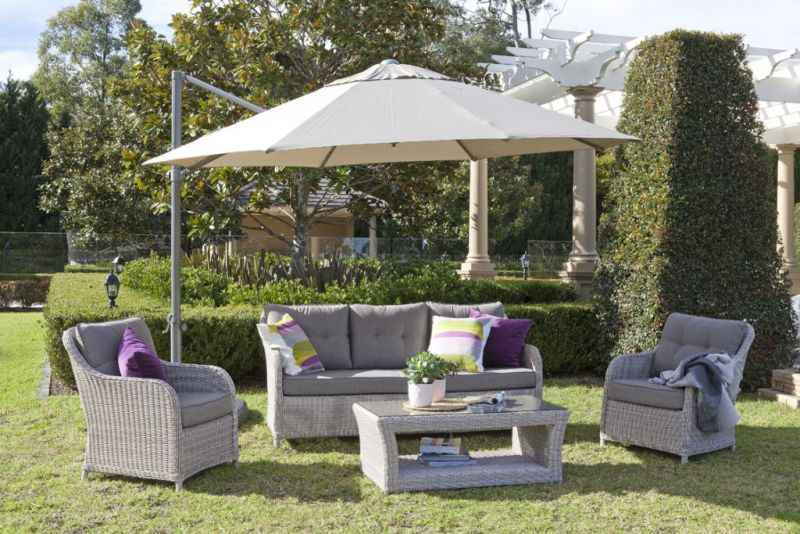
Pergolas provide semi-permanent shade with solid framing. Patio umbrellas offer flexible, adjustable options. Tilted umbrella styles let you follow the sun as it moves throughout the day.
Adding side tables and accessories
Side tables keep essentials within reach and you will not need to lean over. Place the table at a distance that fits your armspan and comfort level. Solar-powered table lamps or flameless outdoor candles provide safe, cordless lighting proportioned for small accent tables. Weather-resistant wicker baskets keep coasters and remote controls tidy and available.
Protecting your chair from elements
Stack chairs in a corner and place sturdy covers over them as storms approach. Severe weather calls for moving your cosy outdoor reading chair inside or to a covered area like a screened verandah. Silicone or rubber furniture pads protect chairs from direct contact with wet floors and prevent the chair's legs from scratching decks.
Most cushions are detachable and should be stored when not in use, especially at the season's end. Heavy-duty outdoor containers provide ideal storage for cushions and umbrellas. Durable fabrics struggle against mould and pollen if left outside continuously.
Conclusion
A comfortable outdoor reading chair makes a genuine difference to how you use your patio or backyard. The right chair balances ergonomic support and weather-resistant materials that match your space.
Measure your area first, test chairs for comfort, and select materials suited to your climate. You might choose teak for natural appeal, synthetic wicker for cosy character, or metal for durability. Prioritise features that support extended sitting sessions.
Your outdoor reading nook awaits. Choose wisely and protect your outdoor reading chair with proper care for many seasons of relaxation ahead.
FAQs
Q1. What makes an outdoor reading chair different from regular patio furniture? An outdoor reading chair is specifically designed for extended sitting and relaxation during reading sessions, with features like ergonomic lumbar support, precise seat depth (50 to 60 cm), and armrests positioned at optimal heights (18 to 23 cm). While regular patio furniture prioritises durability and versatility for various activities, reading chairs focus on comfort specifications that support your body during long periods of sitting, including contoured backrests angled at 10 to 15 degrees to match your spine's natural curve.
Q2. What are the most important comfort features to look for in an outdoor reading chair? The key comfort features include proper lumbar support with backrests positioned 30 to 40 cm above the seat, thick cushioning with high-density foam fill and UV-resistant fabrics, armrests at 18 to 23 cm height to prevent shoulder tension, and adjustable reclining positions. Additionally, ensure the seat depth is 50 to 60 cm and the seat height is 41 to 46 cm from the floor so your feet rest flat on the ground while your back is fully supported.
Q3. Which materials work best for outdoor reading chairs in different climates? For coastal areas with salt air, choose marine-grade stainless steel or powder-coated aluminium that resists corrosion. In hot climates, powder-coated aluminium stays cooler than steel. Kiln-dried teak handles rain, humidity, and freeze-thaw cycles exceptionally well. HDPE synthetic wicker provides strong durability without fading or cracking. For cushions, solution-dyed acrylic fabrics offer superior UV fade resistance and weather protection.
Q4. How much space do I need for an outdoor reading chair? Standard outdoor reading chairs require 60 to 80 cm of width and 120 to 150 cm of depth, including space for rocking or reclining motion. Allow at least 90 to 120 cm of clearance in high-traffic areas for comfortable passage. For rocking or reclining chairs, add at least 60 cm of side clearance to accommodate the chair's full range of motion. Also measure doorways and gates to ensure the chair can fit through the narrowest passage to reach your outdoor space.
Q5. How should I protect my outdoor reading chair from weather damage? Place your chair under natural shade from trees or use pergolas and patio umbrellas to minimise direct sun exposure, which causes the most damage through discolouration and warping. When storms approach, move the chair to a covered area or stack it in a corner with sturdy covers. Store detachable cushions in heavy-duty outdoor containers when not in use, especially at the season's end. Use silicone or rubber furniture pads to protect chairs from wet floors and prevent deck scratching.