





Recently viewed


Patio Chairs 101: How to Choose the Right Outdoor Seating for Your Home
Choosing patio chairs that can withstand weather while keeping you comfortable can be tricky. Your outdoor space deserves seating that balances durability with style, whether you are furnishing a small balcony or a spacious poolside area. The right outdoor patio chairs improve how you enjoy your exterior spaces. Weather-resistant materials like powder-coated aluminium frames and HDPE wicker provide the foundation. Fade-resistant cushions add comfort features that matter. This guide walks you through everything you need to know about selecting outdoor furniture patio chairs. You will learn about material options and design styles. We cover space considerations and maintenance tips that help you make a confident decision.
Understanding Outdoor Patio Chairs: What You Need to Know
Material quality determines whether your outdoor patio chairs survive one season or many. Construction methods, protective treatments and design features separate furniture built for patios from pieces meant for living rooms.
What Makes a Good Patio Chair
Quality outdoor seating is built on ergonomic design. Your patio chair should provide proper back and neck support during extended sitting periods. Cushions made from weather-resistant fabrics add another layer of comfort, but the frame itself matters more for longevity.
Structural integrity separates reliable patio chairs from those that fail within months. The materials used must withstand weight capacity demands and remain stable during wind exposure. Heavier materials like wrought iron benefit areas prone to high winds, as the density keeps furniture grounded. Lightweight aluminium works better if you need to rearrange seating during gatherings.
Weather resistance defines outdoor furniture performance. Your chairs face relentless exposure to UV rays, rain, humidity, temperature swings and sometimes pests. Materials require either inherent protection or applied treatments to resist sun damage, fading and cracking. Moisture resistance becomes just as critical, as construction must prevent rust, rot and mould growth actively.
Weather-Resistant Materials Explained
Powder-coated aluminium delivers modern practicality for outdoor furniture patio chairs. Manufacturers apply dry powder to aluminium frames and cure it under heat. This creates a protective skin far more durable than traditional paint. This process helps metal resist rust, chipping and fading, even under intense sunlight and rain exposure. The lightweight nature makes moving patio chairs effortless, yet the material provides reliable structural integrity.
Stainless steel offers exceptional strength for contemporary aesthetics. Not all steel performs the same way. Select 304-grade stainless steel for most environments, as it provides strong corrosion resistance. Upgrade to 316-grade marine stainless steel if you live in coastal areas with salt air. This grade has molybdenum that significantly increases resistance to salt corrosion.
HDPE lumber, also known as poly lumber, comes from recycled plastics such as milk containers and detergent bottles. This material offers extreme durability without environmental harm. It never rots, splinters, cracks or requires painting. The colour runs throughout the material, so scrapes and scratches remain barely noticeable, and the finish will not fade in sunlight.
Teak timber holds its reputation as a leading option for outdoor seating and with good reason too. This dense hardwood has high natural oil content and tight grain. These serve as built-in defence against elements. These natural oils repel water, prevent warping and deter insects. Untreated teak transitions from honey-brown to silvery-grey patina over time.
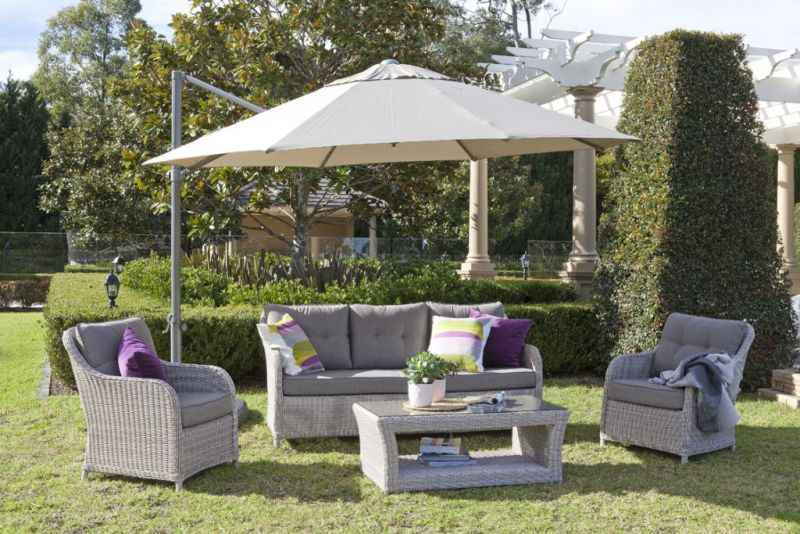
All-weather wicker provides classic textured appearance without natural rattan's fragility. Manufacturers weave synthetic fibres, usually HDPE, over sturdy aluminium frames. Choose HDPE resin wicker over lower-grade PVC options, as high-quality resin resists cracking and peeling under UV ray exposure.
Solution-dyed acrylic fabrics lead the industry for cushion longevity. Manufacturers mix colour pigments into liquid polymer before creating the fibre. This means colour runs through the entire thread. This process renders fabric highly resistant to fading, even after extended periods in sun. These fabrics also resist mould, mildew and stains while remaining soft to touch.
The Difference Between Indoor and Outdoor Seating
Outdoor patio chairs feature drainage design with gaps or woven surfaces. These allow water to run off and prevent pooling quickly. Timber pieces require periodic oiling or sealing to maintain protective barriers against moisture, while metal pieces rely on intact powder coating for rust prevention. Outdoor cushions have specialised drainage zippers or mesh bottoms and use foam that does not absorb water. This ensures quick drying and prevents mildew.
Using indoor furniture outside leads to irreversible damage. Even one rainstorm causes rust, warped timber and mouldy cushions. UV exposure breaks down fabrics and finishes. Indoor materials lack the treatments and construction methods needed to survive outdoor conditions.
Types of Outdoor Patio Chairs for Every Space
Your intended activities dictate which outdoor patio chairs work best for your space. Each chair type serves distinct purposes, from upright dining to reclined relaxation.
Outdoor Dining Chairs
Dining patio chairs measure 43 to 48 cm from floor to seat and match tables around 71 to 76 cm tall for comfortable eating height. Stationary models work well in tight spaces. Swivel or rocking versions add comfort when you have extra room. Armrests provide support but consume more space, whereas armless designs stack with ease and fit tighter arrangements. Quick-dry fabrics handle rainstorms better than standard cushions and let you sit down sooner after weather clears.
Swivel rocker dining chairs combine rotation with gentle rocking motion. You can turn with ease while relaxing during meals. Rust-proof aluminium frames with powder coat finishes dominate this category and often pair with padded slings containing UV inhibitors. You can add stain, water and fade-resistant solution-dyed acrylic cushions or skip cushions entirely for better airflow during hot weather.
Lounge Chairs and Chaise Lounges
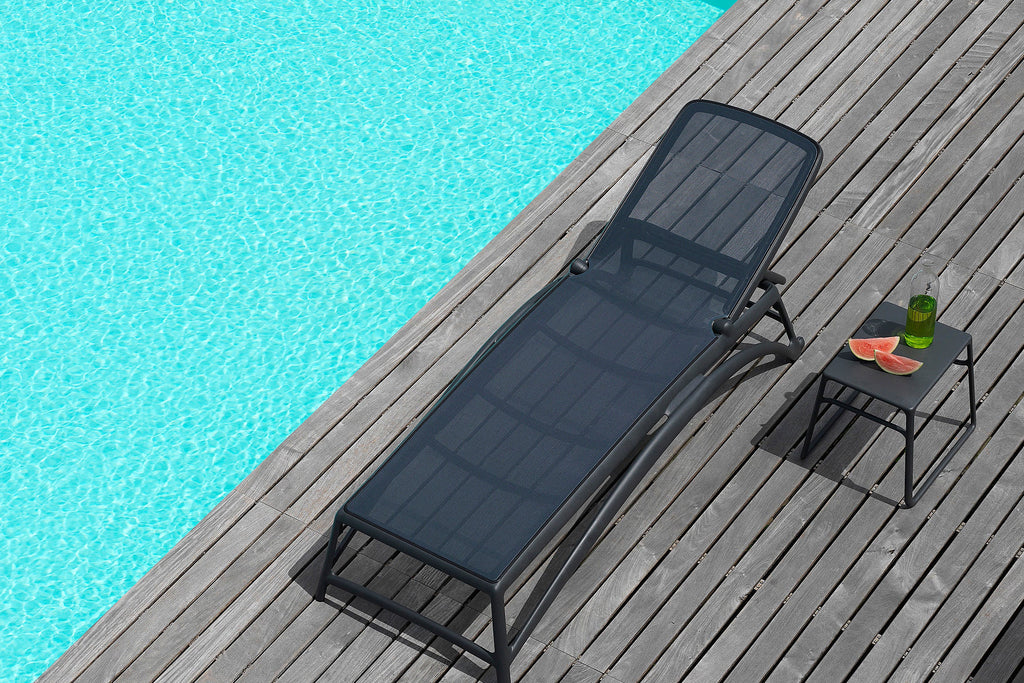
Lounge chairs feature extended leg support and adjustable backs. You can switch between sitting up and reclining flat. Chaise lounges use longer, sloped frames that support your legs without requiring footrests. They work well for sunbathing or poolside naps. Models with wheels make repositioning around your deck or pool area simple. Zero-gravity designs redistribute your weight and relieve lower back pressure.
Materials affect performance and maintenance requirements. Aluminium and steel frames provide strength, while mesh surfaces dry fast after rain. Wicker or timber chaise lounges create a refined outdoor feel. Plastic and metal options deliver longevity with proper care. Make sure you have ample space before purchasing, as chaise lounges can crowd smaller decks.
Rocking Chairs and Swivel Chairs
Rocking chairs deliver soothing motion through curved bases. Some models feature locks that stop movement when needed. Timber rocking chairs with slat backs represent traditional style, while cushioned rockers increase comfort and plastic versions provide durable alternatives. Darker colours conceal dirt and scuffs with ease during regular outdoor use.
Swivel patio chairs rotate 360 degrees without turning the chair. They work well for following sun movement or enjoying different views without hassle. Swivel rocker combinations merge both functions for maximum flexibility during conversations and meals.
Adirondack Chairs
Adirondack patio chairs feature slanted seats, wide armrests and tall backs that shift your weight backward for comfortable extended sitting. The design promotes natural relaxation by opening your hip angle and reducing lower spine pressure. Seat heights range from 36 to 41 cm, while seat depths span 51 to 56 cm and allow full leg extension. Wide armrests measure 13 to 18 cm across and provide strong elbow support. They also offer convenient surfaces for drinks or books.
High-quality handmade Adirondack chairs deliver extended service life compared to standard furniture. Cedar timber resists rot but requires sealing, whereas poly or plastic versions resist moisture and need minimal maintenance.
Folding and Stackable Chairs
Folding patio chairs collapse flat for storage in closets, sheds or vehicle boots. Most fold under 15 cm thick and allow you to carry several at once. Steel or aluminium frames maintain strength while staying lightweight. Fabric or sling seats dry fast for pool or beach use. Weight capacities fall between 115 and 135 kg.
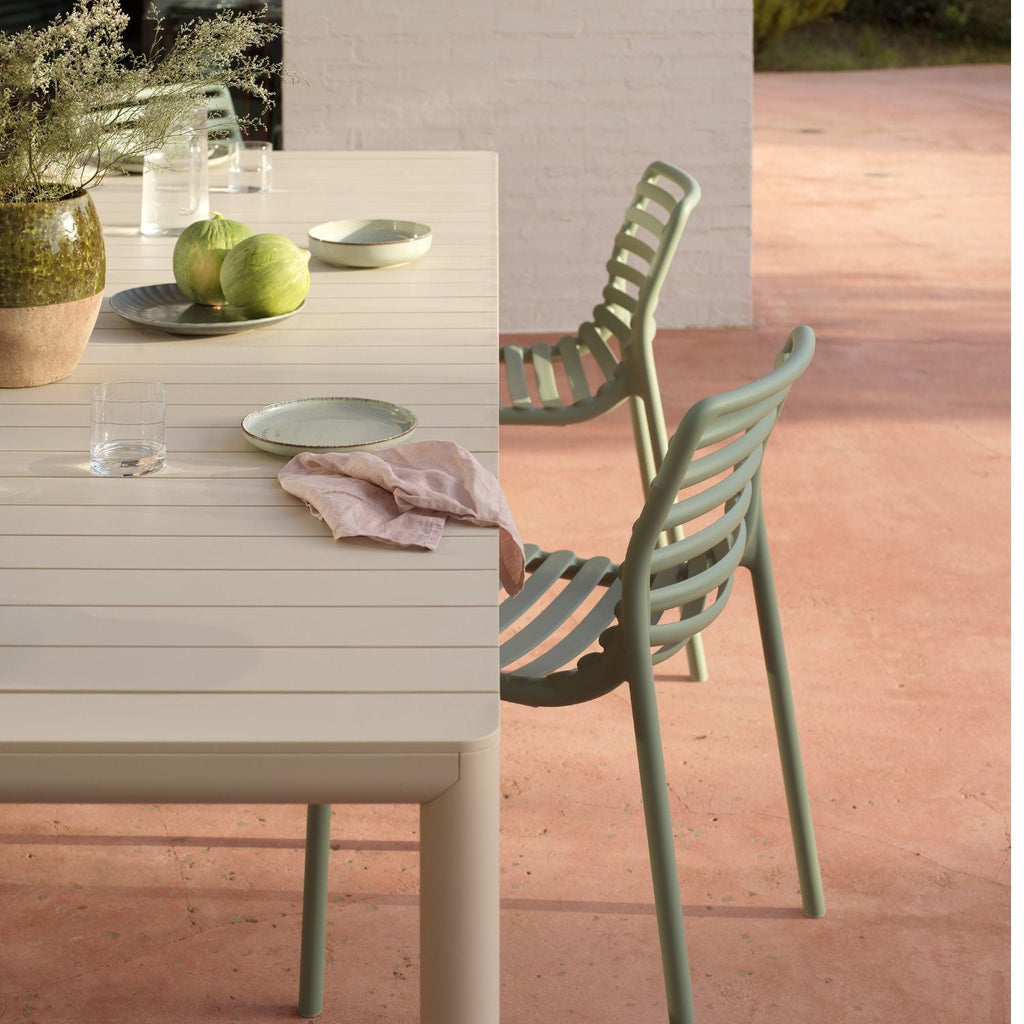
Stackable chairs nest vertically using rigid frames and flat seats. They are often constructed from resin, aluminium or moulded plastic. They stack up to four high for convenient storage and make smart picks for limited floor space. Models skip hinges to prevent wobbling over time. Non-slip foot pads avoid sliding on tile or timber surfaces.
Key Features to Consider When Choosing Patio Chairs
Several performance factors separate mediocre outdoor patio chairs from pieces that serve your space well across many seasons. Understanding these features helps you identify quality construction before you make a purchase.
Frame Material: Timber, Metal, Plastic, and Wicker
Match your frame material to your climate and maintenance priorities. Coastal environments require marine-grade stainless steel (316-grade) because salt air causes corrosion. Standard 304-grade stainless steel works for most other locations. Acacia timber performs well in different weather conditions but requires oiling every two to three months. Teak needs oiling only every six to twelve months. Avoid acacia in very dry or humid climates because it becomes prone to cracking.
Resin and HDPE materials give you different strength levels. Resin-based models tend to have lower weight limits compared to metal-framed models, though the difference proves minimal for most applications. Patio chairs with reinforced frames or cross-bracing handle higher loads.
Cushions and Comfort Options
Cushion thickness affects comfort during extended sitting. Options range from 5 cm back cushions to 18 cm seat pads. Solution-dyed acrylic cushions provide thick, comfortable padding with wide colour ranges. Polyester covers resist water, stains and fading as a practical alternative.
Look for cushions with ties that prevent movement while you sit or that keep them from blowing away in wind. Machine-washable covers add convenience, especially in households with pets or children. Foam type matters beyond material. Open-cell reticulated foam allows water to drain fast and air to circulate, which prevents mildew growth.
Armrests vs. Armless Designs
Armrests give you extra support and reduce strain during long meals or gatherings. They benefit elderly guests or those with mobility issues and make sitting down and standing up easier and safer. Armless patio chairs take up less space and allow you to fit more seating around tables. They tuck under table surfaces and keep walkways clear. Measure your table's apron height before you select armchairs. You need at least 15 to 18 cm of clearance between armrests and table.
Portability and Storage
Lightweight construction materials prove sturdy yet easy to move and set up. Aluminium provides this balance and stays strong while remaining manageable for rearrangement. Folding chairs collapse under 15 cm thick for compact storage. Stackable designs nest up to four high.
Weight Capacity and Stability
Standard patio chairs support 115 to 135 kg. Heavy-duty models with reinforced frames handle up to 225 kg. Choose wider bases and heavier frames to maintain balance. Test stability before you purchase by giving chairs a gentle shake. Reinforced joints and bolted connections add strength.
How to Match Patio Chairs to Your Outdoor Space
Space dimensions and intended activities shape your outdoor patio chair selection more than aesthetics alone. You need to measure your area and understand usage patterns to prevent purchasing mistakes.
Small Patios and Balconies
Measure your available space first and leave at least 61 to 76 cm of clearance around tables for comfortable movement. Stackable patio chairs or backless stools maximise flexibility in compact areas. Bistro sets consume minimal floor space while still providing casual dining capability. Folding models store away when not in use. This reclaims precious area between gatherings. Armless designs tuck under tables and keep walkways available.
Large Decks and Backyards
Expansive outdoor areas accommodate armchairs or styled dining sets for grounded layouts. You can mix armchairs at table heads while using sleeker chairs along sides for clean aesthetics. Sectionals create comfortable conversation zones around fire pits or entertainment areas. Modular configurations let you rearrange pieces as gatherings change size or purpose throughout seasons.
Poolside Seating Areas
Water exposure demands specific material considerations beyond standard weather resistance. Mesh surfaces dry much faster than cushioned options after splashes or rain. This eliminates soggy seating problems. Marine-grade resin withstands chlorine, salt water, UV rays and moisture much better than standard outdoor materials. In-pool furniture requires specialised construction for Baja shelves and shallow ledges. Storage solutions like console tables keep towels and pool items organised while side tables position drinks and sunscreen within reach.
Dining vs. Lounging Spaces
Functional requirements differ between these two space types. Dining setups need upright support at proper table height. Lounging areas prioritise reclined positions with adjustable backs. Swivel rockers suit dining tables when you have adequate surrounding space for rotation. Deep-seat lounge chairs with thick cushioning work better for relaxation zones. Measure table apron height before selecting dining patio chairs to ensure adequate clearance for knees and armrests.
Maintaining Your Outdoor Furniture Patio Chairs
Regular maintenance extends the life of your outdoor furniture patio chairs and keeps them looking fresh. Deep clean your patio chairs at least twice per season: once in spring before use and again in autumn before storage.
Cleaning Different Materials
Clean metal patio chairs with mild soap and warm water. Dry them well to prevent rust. Apply automotive wax to aluminium for added protection. Timber requires gentle scrubbing in the direction of the grain using timber-safe cleaner. Never power wash timber. Apply timber sealant or protective oil after cleaning. Wicker needs vacuuming to remove debris from crevices, followed by gentle scrubbing with soft-bristle brushes. Avoid soaking wicker, as excess water weakens the material. Spot-clean stains on cushions and allow complete drying before storage.
Protecting Chairs from Weather Damage
Apply protective sealants to prevent moisture damage. Use anti-rust products on metal parts. Cover outdoor patio chairs with quality weather-resistant covers when not in use. Covers should fit snugly but allow air circulation to prevent condensation buildup. Remove cushions and store them in breathable bags to keep them dry.
When to Store Your Chairs
Prolonged exposure to cold temperatures and persistent rain damages furniture and shortens lifespan. Store furniture indoors in garages, sheds or covered areas when space allows. Plastic furniture should be stored under cover, as extreme cold causes cracking and brittleness.
Conclusion
The right outdoor patio chairs can turn your exterior space from underutilised to essential living area. Your choice depends on the materials that match your climate and the chair types that suit your activities.
Weather-resistant construction matters more than appearance alone. Quality frames paired with proper cushioning create seating that survives seasons while remaining comfortable. Regular cleaning and seasonal storage extend your patio chairs' service life considerably.
Measure your space first. Identify your main use and then select materials. Your outdoor area deserves patio chairs that perform well and look good.
FAQs
Q1. What should I prioritise when selecting patio chairs? Focus on materials that match your climate and usage patterns. Powder-coated aluminium and marine-grade stainless steel offer exceptional durability for frames. HDPE wicker resists cracking and fading better than PVC alternatives. Teak timber provides natural weather resistance through its high oil content. Consider your storage options, maintenance willingness, and how frequently you will use the furniture when making your selection.
Q2. What materials last longest for outdoor patio chairs? Powder-coated aluminium and marine-grade stainless steel offer exceptional durability for outdoor furniture frames. For seating surfaces, HDPE (high-density polyethylene) wicker resists cracking and fading better than PVC alternatives. Teak timber provides natural weather resistance through its high oil content, though it requires periodic maintenance. Avoid painted steel, which rusts quickly, and opt for materials with inherent weather protection rather than applied coatings that can chip or peel over time.
Q3. How do I maintain my patio chairs to make them last longer? Clean your patio chairs at least twice per season using mild soap and warm water, drying metal pieces thoroughly to prevent rust. Store cushions in breathable bags or waterproof containers when not in use, and consider bringing furniture under cover during harsh winter months. Use quality weather-resistant covers that allow air circulation to prevent condensation buildup. For timber furniture, apply protective sealant or oil regularly, and for metal pieces, check that powder coating remains intact to maintain rust protection.
Q4. What type of cushion fabric works best for patio chairs? Solution-dyed acrylic fabric offers superior performance with colour running through the entire thread rather than just the surface, making it highly resistant to sun damage even after extended exposure. These cushions also resist mould, mildew, and stains while remaining comfortable. They typically outperform standard polyester alternatives significantly, making them a practical choice for long-term outdoor use.
Q5. What is the difference between stackable and folding patio chairs? Folding chairs collapse flat to under 15 cm thick, making them ideal for storage in closets or vehicle boots and easy to transport. Stackable chairs maintain rigid frames and nest vertically up to four units high, offering stability without hinges that might loosen over time. Folding chairs work best when you need maximum portability, while stackable designs suit situations where you need to store multiple patio chairs in limited floor space without sacrificing structural integrity.