






Recently viewed


How to Choose the Right Outdoor Lounge for Your Space
Your outdoor lounges can turn a neglected patio into your favourite retreat, but only when you choose with care. Picking the wrong outdoor lounge setup means uncomfortable seating that won't survive a single Australian summer, exposed to relentless UV, heat cycles and coastal salt air.
Selecting outdoor lounge furniture that lasts doesn't require guesswork. Plan around your space and how you actually live outdoors, and you'll find pieces engineered to perform for years. This guide walks you through everything from measuring your area to selecting weather-resistant materials, so you get the choice right the first time. If you want to see what's available while you read, browse the full Outdoor Lounges range.
Assess Your Outdoor Space
Before shopping for outdoor lounge furniture, you need accurate information about your space. Skip the measurements and you'll end up with cramped arrangements, blocked doorways, and furniture that overwhelms the area.
Measure Your Available Area
Start by measuring the usable area where your outdoor lounge will sit, not the full outdoor space. Record the length and width of your deck, patio, or courtyard. A tape measure, a quick sketch, and a few photos from different angles give you a clear picture of what works.
Note anything that takes up room: steps, doors, posts, balustrades, drains, planters, outdoor fireplaces, and built-in seating. These details affect where a sofa or table can go. If your area has an unusual shape, a simple outline with the main measurements is enough. Photos help you see where larger pieces will sit and whether they interrupt the flow.
Test your layout before buying. Use painter's tape, cardboard, or outdoor cushions to mark the footprint of the furniture on the ground. Walk around it. Open doors, pull out imaginary chairs, and see whether the layout feels comfortable.
Think Through Traffic Flow and Access Points
Leave about 90 cm of walkway around furniture and between zones so people pass without turning sideways. Behind dining chairs, allow 75 to 90 cm so they pull out and someone can stand without hitting a wall or railing. Keep the path from the door to the seating clear and direct. Walk the route you'll take carrying plates and drinks. If you squeeze past anything, move it.
Measure the route from the truck to your outdoor area before ordering. Check the width of gates, doorways, side paths, stairs, and tight corners. A piece may fit on the deck but struggle to get through a narrow side gate. If access is limited, look at furniture that arrives in smaller sections or can be assembled outside. Outdoor modular lounges are well suited to tight-access sites because they arrive as separate, manageable pieces.
Identify Your Space Type: Balcony, Patio, or Backyard
Your space type shapes furniture decisions. A balcony is a small elevated platform on upper floors, usually rectangular with limited room and railings for safety. Choose low furniture to preserve sight lines and keep the area in front of the door clear. Compact outdoor balcony lounges are built for exactly this constraint.
A patio sits at ground level, paved with concrete, bricks, or stone, often in the backyard or side yard. Patios blend with the natural environment and suit outdoor dining or relaxing.
A deck is an elevated timber or composite platform attached to the house, enclosed by railings. Decks extend living space for barbecues and gatherings. On rectangular decks, line up your main outdoor lounge with the deck's longest dimension to make narrow spaces feel more open.
Backyards offer the most flexibility. Break larger areas into zones rather than spreading furniture evenly. Put the dining zone near the kitchen or back door so carrying food out is easy. Position the lounge zone where afternoon or evening sun falls.
Account for Existing Features and Obstacles
Plan for more than the furniture itself. An umbrella needs room for its base and canopy. A cantilever umbrella takes up surprising space when opened near doors, fences, or low rooflines. Watch where shade falls at the times you'll use the space, since good shade makes an outdoor area far more usable through the heat of the day. A well-placed cantilever umbrella can extend how long your lounge zone stays comfortable.
If you're adding a heater, planter, storage box, or outdoor rug, include those in your layout. These details improve comfort but can make a small space feel cluttered if not planned for. Note the position of electrical outlets, outdoor kitchens, and other fixed elements that determine where furniture can go.
Choose the Right Style and Configuration
Style choices shape how your outdoor lounge integrates with your home and how well it serves your real needs. Get this wrong and you end up with furniture that clashes with your interiors or can't adapt when your plans change.
Match Your Indoor Design Aesthetic
Your outdoor lounge furniture should extend your interior design language rather than fight it. Look at the colours, materials, and lines in your living areas, then select outdoor pieces that echo those choices. Homes with clean, modern lines pair well with powder-coated aluminium frames and performance fabrics that create contemporary silhouettes. More traditional spaces suit classic wicker or teak pieces with fuller proportions.
Carry similar colour tones across both zones for a cohesive flow. Neutral furniture colours work across multiple styles and reduce visual clutter. Add coloured cushions and accessories for personality without committing to a fixed palette. Darker tones like charcoal or brown conceal everyday dirt between cleans. Lighter shades like white or beige make spaces feel more open but show dust more readily.
Match the scale of your outdoor lounge to your indoor furniture so the visual weight feels consistent. Low-profile outdoor sofas complement modern interiors, while high-backed pieces suit traditional spaces.
Choose Between Modular and Fixed Outdoor Lounge Furniture
Modular outdoor lounges are separate pieces that connect and rearrange into different layouts. You can shift from an L-shape to a U-shape for guests, then split the pieces into individual chairs as needed. This flexibility suits households where entertaining needs change or an outdoor space serves several purposes.
Fixed outdoor lounges come as a single, non-reconfigurable unit in an L-shape or preset layout. They anchor a space without adjustment and suit areas where the layout won't change. Neither option is better on its own. Modular works when your space or use patterns will evolve. Fixed works when you have a settled layout and want one arrangement.
Modular pieces are lighter to move and can expand as your family grows, and individual modules can be replaced or added without buying a whole new setting. Fixed sectionals offer a more structured, permanent look and remove decisions about arrangement. If flexibility matters most, compare the outdoor modular lounges against the fixed outdoor sofas side by side.
Determine Seating Capacity Requirements
Base seating capacity on how you use the space most weeks, not on your busiest possible gathering. If two to four people use the area regularly, a well-proportioned sofa with one or two chairs often works better than a large sectional that sits empty most days. For households that entertain often, modular seating with movable ottomans and occasional chairs balances everyday living with weekend hosting. It helps to shop by size, and the Shop by Seater range lets you filter straight to the capacity you need.
An outdoor lounge can be topped up with an ottoman or occasional chair when needed, rather than choosing a sectional that dominates the patio. Think through whether every guest needs a formal seat or whether casual perching suits your style of gathering.
Pick Corner, L-Shape, or Straight Configurations
L-shaped configurations work well along two sides of a patio or tucked into corners, defining a zone without needing multiple separate pieces. They suit square or near-square areas where corners can be used efficiently. One side can face the garden while the return encourages conversation.
U-shaped layouts create enclosure around a central coffee table or fire feature, suited to wider terraces and covered entertaining areas with enough room to move around the setting. Straight configurations, with sofas facing chairs across a coffee table, suit rectangular footprints and create balanced conversation zones. One return helps frame the seating area without blocking the main path in narrow courtyards.
Select Appropriate Materials for Your Climate
Material selection determines whether your outdoor lounge survives one season or lasts for many. Climate factors like UV intensity, humidity, temperature swings, and coastal salt exposure dictate which materials perform reliably in your location.
Aluminium Frames for Durability
Aluminium forms a protective oxide layer that prevents rust without ongoing treatment. Salt spray accelerates metal degradation, which makes aluminium frames well suited to coastal installations. Powder-coated aluminium resists UV damage and fading, and the material stays light enough to rearrange easily. You need only water and mild soap for cleaning, unlike timber that needs regular sealing. Aluminium outdoor lounge furniture holds its structural integrity through temperature changes, so joints stay tight and surfaces don't crack. The outdoor aluminium sofas range is a strong starting point for exposed or coastal sites.
Timber and Teak Options
Teak contains natural oils that resist rain, moisture, wood rot, and insect damage. High-grade teak shows relatively high dimensional stability when kiln-dried, which reduces joint loosening, warping, and visible cracking over time. The timber lasts well under outdoor exposure. You do need to oil or seal teak periodically to prevent drying, cracking, or fading. Protective treatments maintain the original golden-brown colour, or you can let it weather naturally into a silver-grey patina. Other hardwoods like acacia and eucalyptus resist moisture and insects but still need protective care. Browse the outdoor timber sofas range if you prefer a natural timber look.
Wicker and Rattan Choices
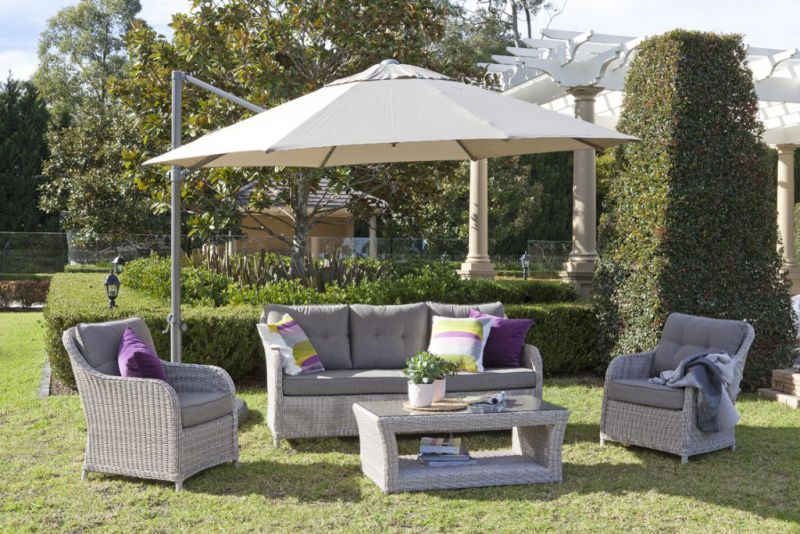
Synthetic wicker made from high-density polyethylene (HDPE) resists UV exposure and moisture, and quality synthetic wicker holds up well outdoors with proper care. Natural wicker deteriorates faster outdoors and becomes brittle in dry weather. Look for aluminium frames beneath the wicker weave rather than stainless steel, which can rust over time. UV-stabilised polyethylene rattan maintains its durability under sun, whereas weave without adequate UV stabiliser can degrade under intense exposure. The outdoor wicker sofas range is built on aluminium frames for this reason.
Rope and Fabric Considerations
Outdoor rope furniture uses polyolefin rope woven over powder-coated aluminium frames. Polyolefin repels moisture, dries quickly, and allows drainage rather than trapping water. Solution-dyed acrylic fabric offers strong UV resistance with a soft texture and mildew resistance. Olefin provides lightweight, colourfast performance with quick-drying properties. Avoid natural fibres like cotton or linen, which warp and deteriorate when exposed to humidity.
UV-Resistant and Weather-Resistant Features
UV-resistant materials prevent colour fading and brittleness from prolonged sun exposure. Fabrics rated for high UV performance hold their colour far longer in full sun than untreated equivalents. Powder-coated finishes create durable surfaces with superior UV resistance compared with liquid paint. Water-resistant fabrics repel moisture while allowing airflow to keep cushioning fresh.
Evaluate Comfort and Practical Features
Comfort features separate outdoor lounge furniture you'll use daily from pieces that sit empty because they're unpleasant to sit on. Deep seating paired with quality cushioning creates relaxation comparable to an indoor sofa.
Cushion Quality and Quick-Drying Foam
Cushion thickness between 10 cm and 12 cm provides adequate support for most outdoor lounges, though 7 cm works with certain designs. High-density foam holds its shape and comfort over the long term instead of flattening with regular use. Open-cell foam structures let water drain through instead of trapping moisture like standard foam. Quick-dry foam uses a reticulated structure where water passes through a drainage path instead of being absorbed.
Quick-dry foam is designed to stay outdoors, and its open-cell construction promotes airflow and faster drying after rain while resisting mould and mildew. Back cushions filled with water- and mould-resistant fibre let the cushions form to your body shape while resisting water penetration. Solution-dyed acrylic fabric covers give water-repellent, UV-stable performance.
Removable cushion covers with zippers can be machine washed on cold, gentle cycles. High-density foam paired with quick-dry technology delivers reliable support for exposed alfresco areas and poolside settings. Matching replacement outdoor cushions make it easy to refresh a lounge without replacing the frame.
Adjustable and Reclining Options
Adjustable reclining mechanisms let you move between an upright reading position and a reclined sunbathing angle. Multiple reclining angles reduce pressure on the lower back and spine when paired with deep, supportive cushions. Ergonomic frames promote natural recline positions that reduce strain on your back and neck. Smooth reclining mechanisms, whether manual levers or power buttons, should operate without forcing awkward movements.
Storage Capabilities
Under-seat storage compartments hold cushions, throws, and outdoor accessories without needing separate storage boxes. Some outdoor lounges build in corner tables or coffee tables with storage compartments. Storage integration keeps outdoor spaces tidy while keeping essentials within reach.
Weight and Portability
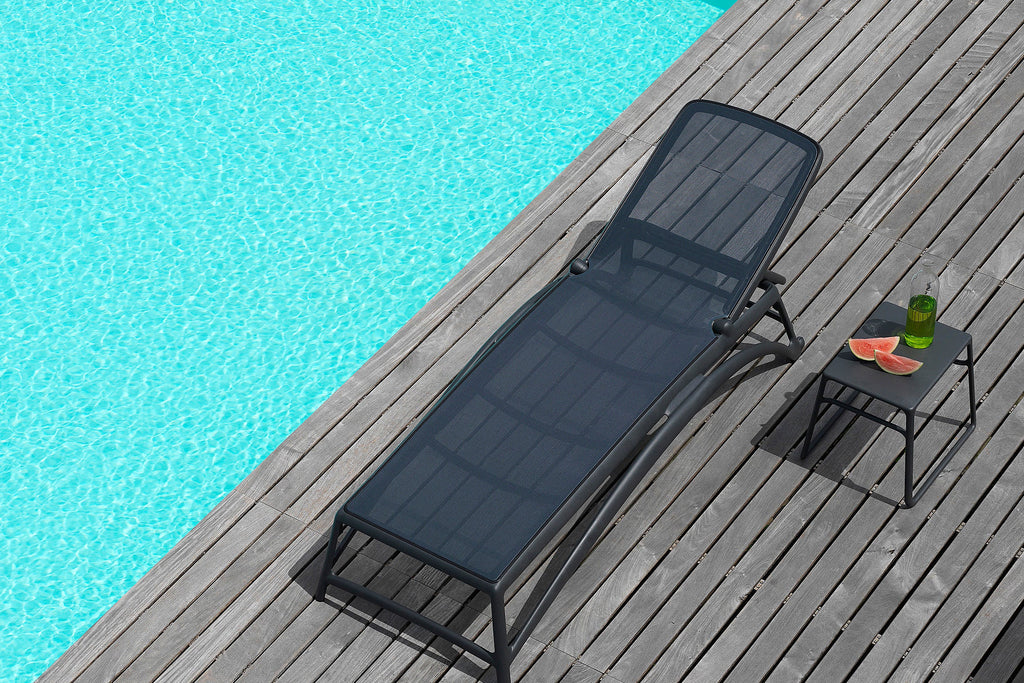
Lightweight aluminium frames make it easy to reposition pieces between spaces without compromising strength. Folding designs suit limited storage areas and seasonal use. Built-in wheels on sun loungers let you move them as sun patterns shift through the day. Stackable designs work for smaller patios where pieces need compact storage.
Plan for Maintenance and Longevity
Proper maintenance extends the life of your outdoor lounge well beyond the day it arrives. Regular care prevents premature deterioration and keeps furniture looking presentable season after season.
Cleaning Requirements for Different Materials
Clean your outdoor lounge furniture around four times a year for best results. Wipe aluminium frames every few weeks with a soft cloth and a mild soap solution, and increase frequency near the coast to prevent salt buildup. Timber needs gentle washing with mild soap and water, followed by oil application every few months to prevent cracking and fading.
Natural wicker needs vacuuming, then cleaning with a soft brush and soapy water. Synthetic wicker tolerates more vigorous cleaning and can be hosed down, though it still needs to dry completely to prevent mould. Wash cushion covers with mild soap and warm water, then dry them before replacing or storing.
Protective Covers and Storage Solutions
Quality covers use tear-resistant ripstop fabric built to withstand fading and cracking, with waterproof seam binding and rot-resistant thread to keep moisture out. Buckle straps secure covers in strong wind, while covered vents boost airflow to prevent mould. Solution-dyed material provides strong fade and stain resistance. Make sure furniture is clean and dry before covering to avoid trapping moisture. A well-fitted set of outdoor lounge covers is one of the simplest ways to extend the life of a setting.
Weather-resistant storage boxes made from aluminium, teak, and synthetic wicker protect cushions and accessories, and built-in storage within outdoor lounges keeps spaces tidy without separate units.
Quality and Build Confidence
Well-built outdoor lounge furniture shows its quality in the detail: welded rather than bolted frame joints, powder-coated finishes, marine-grade fasteners, and UV-stabilised fabrics. Frames engineered for Australian conditions typically outlast the cushions, so look for settings where covers and cushions can be replaced separately. Choosing furniture built for real-world outdoor exposure means fewer replacements and a lounge that keeps performing through repeated summers.
Bringing Your Outdoor Lounge Plan Together
You now have what you need to select outdoor lounge furniture that suits your space and the way you live outdoors. Measure your area first, then choose materials that stand up to your local weather. Weigh whether modular or fixed configurations serve you better, and prioritise comfort features like quick-dry foam so the space gets used.
The right outdoor lounge combines careful planning with materials engineered for the conditions. Sort out any space constraints before ordering and set up a simple maintenance routine from day one. Take your measurements, weigh your priorities, and choose furniture that turns your outdoor area into a retreat you'll actually use.
FAQs
How much space should I leave around my outdoor lounge furniture?
Leave roughly 90 cm of walkway around furniture and between zones so people can pass comfortably. Behind dining chairs, allow 75 to 90 cm so they can be pulled out and someone can stand without hitting a wall or railing. Keep the path from the door to the seating clear and direct.
What's the difference between modular and fixed outdoor lounge furniture?
Modular outdoor lounges are separate pieces that connect and rearrange into different layouts, so you can shift from an L-shape to a U-shape or split them into individual chairs. Fixed outdoor lounges come as a single, non-reconfigurable unit in a preset layout. Modular works when your space or use patterns will evolve, while fixed works when you have a settled layout.
Which materials are best for outdoor lounges in coastal areas?
Aluminium frames suit coastal installations because they naturally form a protective oxide layer that prevents rust without ongoing treatment. Powder-coated aluminium resists UV damage and salt spray while staying lightweight. Synthetic wicker made from high-density polyethylene (HDPE) also performs well, provided it's built over aluminium frames rather than stainless steel.
How thick should outdoor lounge cushions be for proper comfort?
Cushion thickness between 10 cm and 12 cm provides adequate support for most outdoor lounges, though 7 cm works with certain designs. High-density foam holds its shape and comfort rather than flattening with regular use. Quick-dry foam with an open-cell structure lets water drain through instead of trapping moisture.
How often should I clean my outdoor lounge furniture?
Clean your outdoor lounge furniture around four times a year for best results. Wipe aluminium frames every few weeks with a soft cloth and mild soap solution, increasing frequency near the coast. Timber needs gentle washing with mild soap and water, followed by oil application every few months. Wash cushion covers with mild soap and warm water, then dry completely before replacing.