





Recently viewed


What makes a good sunlounge?
A quality sunlounge needs more than just good looks. You need to think over several key factors. The right balance between functionality and form will give you years of outdoor relaxation.
Comfort and adjustability
Premium sunlounges excel through ergonomic design that supports your body's natural contours. These designs spread your weight evenly and stop pressure points from forming during long lounging sessions. The most comfortable options come with contoured seats and backrests that match your spine's natural curve. This boosts your posture and cuts down back strain.
The best models let you switch between multiple reclining positions. Look for sunlounges with at least four recline points. These help you move easily between sitting up for reading or talking and lying flat for sunbathing. The controls should work smoothly—simple levers or click-in-place systems are best, so you don't have to get up to adjust your position.
High-density foam cushions boost comfort and last longer. Choose cushions made from breathable, quick-drying fabrics that keep moisture away. Many top models use UV-resistant fabrics like solution-dyed acrylic or polypropylene that resist fading and sun damage.
Durability in outdoor conditions
Outdoor elements can be tough on sunlounges. Material choice is vital for longevity. The frame material determines how long it lasts—aluminium stands out because it's light yet strong with excellent corrosion resistance of 0.03 to 4 µm/year.
Other durable frame options include:
- Powder-coated steel: Great weight capacity and rust resistance
- Teak and other hardwoods: Natural oils protect against weather
- PE rattan/wicker: Synthetic materials look natural but handle weather better
UV protection matters for looks and structural strength. Quality sunlounges use UV-stabilised materials that stay colorfast and strong under intense sun. Models with UV-resistant finishes on frames and outdoor-rated fabrics work best.
Protection against moisture stops mould, mildew, and rust. The best options have drainage holes and channels that prevent water buildup, plus quick-dry cushions that handle rain and pool splashes.
Design that fits your space
Your sunlounge should match your outdoor space perfectly. Think about whether you want a fixed piece that makes a statement or something that folds away for storage. Smaller areas like balconies need sleek, stackable, or foldable loungers with slim profiles.
Hidden wheels can make a big difference—they let you move your lounger easily without losing stability. Good models include built-in wheels that protect your surfaces while you follow the sun throughout the day.
Style counts too, with choices from sleek aluminium frames to rustic wooden finishes and modern minimalist designs. Many sunlounges belong to larger collections, so you can create a matching look with other outdoor furniture.
The space you have ended up determining the right choice. Your sunlounge's size and weight should fit your poolside, garden, or balcony without taking over the space.
Types of sunlounges and how to choose
You need to think over several factors when picking the perfect sunlounge for your outdoor space. Your usage plans and available space will shape your choice. Different styles come with their own benefits that match various relaxation priorities and practical needs.
Reclining vs. fixed sunlounges
Your outdoor lounging experience depends substantially on how flexible your sunlounge is. Reclining models let you adjust the backrest to sit up straight, recline halfway, or lie flat. These adaptable options come with four or more recline points. You can read, sunbathe, or chat casually without leaving your seat.
Fixed structure sunlounges make bold statements in outdoor areas but trade adjustability for looks. You can't adjust or fold these models, though they usually stack together for storage. They're quite heavy and stay put once placed, but they create stunning focal points. Picture a canopy daybed that welcomes multiple people into a relaxing oasis.
People who want both comfort and practicality might prefer folding sunlounges. These weigh less than fixed structures, so you can move them easily and store them away during bad weather.
Single vs. double sunlounges
Space needs and social priorities help you choose between single and double sunlounges. Single sunlounges work for one person and measure 24 to 30 inches wide. They fit perfectly in smaller spaces like balconies, tight poolsides, or compact gardens.
Double sunlounges let two people relax side by side and measure 48 to 60 inches wide. These create cosy spots where you and your partner, friend, or family member can unwind comfortably. Many models let each person adjust their side independently.
Single sunlounges give you more flexibility with placement. You can move them around and group them together as needed. Double models often become the centrepiece of outdoor spaces and create a luxurious atmosphere perfect for socialising.
Sunlounge chairs vs. full-length loungers
The main difference between sunlounge chairs and full-length loungers shows in their design and purpose. Sunlounge chairs come as two pieces—a chair plus footrest. This setup lets you switch between a regular chair and lounger. The two-piece design works great in smaller areas like balconies where space matters most.
Full-length loungers support you from head to toe in one piece. Traditional sunloungers let you recline fully with an adjustable, cushioned backrest. These work equally well for reading or poolside sunbathing.
The market now offers more choices than ever. You'll find slim sunloungers with streamlined, minimalist shapes, and three-seat options that let families share their outdoor relaxation space.
Materials that last: What garden centres don’t explain
The key to a sunlounge that lasts for years lies in its materials. Garden centres often skip these details and focus on looks or prices instead. Let's dive into the science behind sun loungers to help you avoid expensive replacements and maintenance issues later.
Aluminium vs. timber frames
The frame is what makes a sunlounge truly durable. Aluminium frames excel with their strength-to-weight ratio and resist corrosion well. You won't see rust on these frames even near pools or beach areas. These frames weigh 30-50% less than timber options, so you can move them around your outdoor space easily.
Many garden enthusiasts love timber frames for their classic, warm look. Teak remains the top choice for wooden outdoor furniture because its natural oils fight rot and keep insects away. Eucalyptus offers similar benefits at half the cost. All the same, even the best timber needs yearly treatments to stay strong—something garden centres rarely tell you.
A well-maintained aluminium frame can last over 15 years, while quality timber frames usually go for 8-12 years. This gap grows even wider in places with lots of rain or high humidity.
UV resistance and weatherproofing
A sunlounge's lifespan depends on how well it handles environmental stress. UV protection keeps both structure and looks intact. Plastic parts can crack within one season without proper UV stabilisers.
High-end sunlounges pack several weatherproofing features that basic models skip. You'll find:
- Powder-coated finishes that stop metal from oxidising
- Stainless steel hardware that won't rust
- Water-repellent fabric treatments that block mildew
- Quick-dry foam that handles rain well
The gap between standard and marine-grade materials shows up after a few seasons—long after most people have bought their lounges. Spending more on better weatherproofing at first can save you money in the long run.
Hidden features that make a difference
The right sunlounge offers more than just a frame and fabric. Some hidden features can reshape the scene of outdoor relaxation. Garden centres rarely highlight these practical elements, yet they substantially affect how much you'll enjoy using your lounger day after day.
Foldability and storage
Small gardens and seasonal use make space-saving features crucial. Foldable sunlounges pack down to about 75 x 14 x 95 cm, which makes storing them away a simple task. Good folding mechanisms let you set up and pack away quickly without weakening the structure. Some models stack well together, which saves precious space during winter.
Side tables and built-in shade
Smart convenience features mean you won't need extra outdoor furniture. Built-in side tables keep your drinks, books, or sunscreen close by. Premium options also come with adjustable headrests or collapsible sunshades, so you can stay comfortable as the sun moves across the sky.
Weight capacity and stability
The safety and durability of your sunlounge depend on its structural strength. Quality models support between 110-150 kg, with commercial versions hitting the higher end. This strength comes from solid frame construction - usually high-tensile steel or reinforced aluminium - and proper weight distribution. Triangular supports boost stability, while marine-grade hardware fights corrosion without losing strength.
A regular sunlounge becomes exceptional with these smart design features. Garden centres might focus on looks, but these practical elements are what ended up determining if your purchase gives real value season after season.
How to match your sunlounge with your outdoor space
A perfect outdoor retreat starts with smart placement of your sunlounge. You need more than quality furniture to create a harmonious outdoor setting. The right position, matching aesthetics, and the perfect accessories make all the difference.
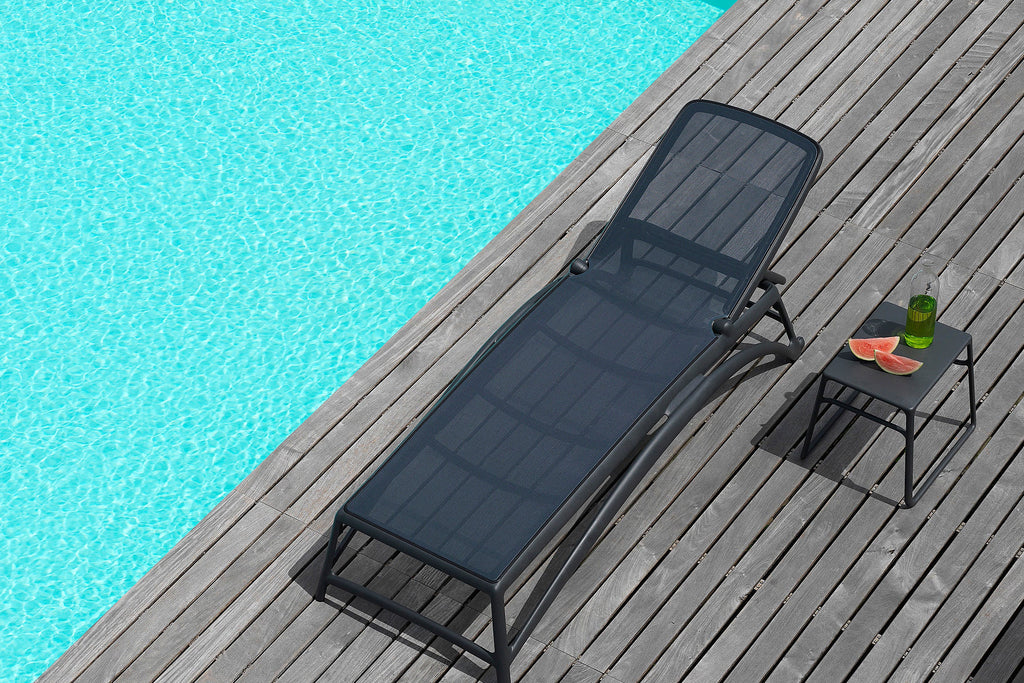
Poolside vs. garden vs. balcony
Your choice of location shapes which sunlounge you should pick. Poolside spots need materials that can handle chlorine and water splashes. You'll also need enough room for the lounger when it's fully extended. Gardens give you more options - you can put sunlounges on lawns, patios, or create quiet spots among plants. Space becomes crucial for balconies. Pick foldable or stackable designs that store easily when not used.
Balcony sun loungers work best with multi-functional designs that make the most of limited space. Take careful measurements of your space. Make sure to account for the lounger's size when it's fully reclined so you can walk around it comfortably.
Colour coordination with existing furniture
A cohesive outdoor look starts with smart colour choices. Your new sunlounge should match your outdoor space's existing theme. Here are some popular outdoor colour combinations:
- Modern minimalism: Sleek designs in neutral tones like white, grey, or black
- Tropical oasis: Vibrant colours paired with lush greenery
- Rustic charm: Natural wood tones with textured cushions
- Mediterranean elegance: Earthy tones with terracotta accents
Light colours reflect sunlight and stay cooler - perfect for hot climates. Dark tones create dramatic contrast but heat up more in the sun.
Pairing with outdoor rugs and cushions
The right accessories turn simple sunlounges into luxury retreats. Outdoor cushions and pillows add comfort, colour, and pattern to your setting. Pick fabrics made for outdoor use that won't fade or get damaged by moisture.
An all-encompassing approach should include outdoor rugs. These define your lounging area and add texture. Umbrellas or shade solutions placed near sunlounges let you enjoy the space all day, especially in sunny spots.
Conclusion
The perfect sunlounge needs more than what you see at garden centres. Look beyond the looks and focus on durability, comfort, and features that make outdoor relaxation better.
Quality materials make all the difference between a one-season wonder and a lounger that lasts for years. Aluminium frames provide light yet sturdy support, and premium UV-protected fabrics won't fade in harsh sun. A good lounger's adjustability lets you switch from reading upright to lying flat for sunbathing.
Your outdoor space plays a big role in choosing the right sunlounge. Balconies work best with foldable, compact designs. Pool areas need chlorine-resistant materials. Hidden wheels, built-in side tables, and proper weight limits affect daily use, but buyers often overlook these features.
Take careful measurements of your space before buying. Account for the fully reclined position and walking space around your furniture. Match colours with your existing outdoor pieces to create a unified look. Add outdoor rugs and cushions to complete your relaxation spot.
This detailed knowledge helps you look past the basic information at garden centres. Your perfect sunlounge is out there - one that blends comfort, durability, and style with your unique outdoor space.
FAQs
Q1. What are the key factors to consider when choosing a sunlounge? When selecting a sunlounge, focus on comfort, durability, and adjustability. Look for ergonomic designs, weather-resistant materials, and multiple reclining positions to ensure long-lasting comfort in various outdoor conditions.
Q2. How do aluminium and timber frames compare for sunlounges? Aluminium frames are lightweight, corrosion-resistant, and can last over 15 years with minimal maintenance. Timber frames, like teak, offer a classic look but require annual treatments and typically last 8-12 years in outdoor conditions.
Q3. What hidden features should I look for in a quality sunlounge? Look for sunlounges with discreet wheels for easy repositioning, foldability for storage, integrated side tables, and adjustable headrests. Also, check the weight capacity to ensure stability and longevity.
Q4. How do I choose the right sunlounge fabric for outdoor use? Opt for UV-resistant fabrics like solution-dyed acrylic or Olefin, which maintain colour integrity after extensive sun exposure. For breathability and quick-drying properties, consider mesh or sling fabrics made from materials like Textilene.
Q5. What's the best way to match a sunlounge with my outdoor space? Consider your specific outdoor area (poolside, garden, or balcony) and choose a sunlounge that fits the available space when fully reclined. Coordinate colours with existing furniture and add complementary accessories like outdoor rugs and cushions for a cohesive look.