





How to Choose Outdoor Patio Furniture That Lasts: A Buyer's Step-by-Step Guide
Your simple outdoor space can become a perfect spot for relaxation, dining, or entertaining with the right furniture arrangement.
The saying 'you get what you pay for' rings true for outdoor patio furniture. Quality pieces are worth the investment - they'll give you better value and more enjoyment over time. The best outdoor patio furniture can handle tough weather while keeping you comfortable and your space stylish.
Picking the perfect furniture needs more than just good looks. You should think over durability, space limits, comfort, and how you'll use your outdoor area. Teak makes an excellent long-term investment because it naturally fights off weather damage, rot, and insects. Space-saving options like compact bistro sets or round dining tables work great for smaller patios and make sure everyone sits comfortably.
This piece will guide you through choosing outdoor patio furniture that looks amazing and holds up against Australian weather, no matter if you have a big garden or a snug balcony. Let's dive in!
1. Define How You’ll Use the Space
You should take a moment to think about how you'll use your outdoor space before buying furniture. A perfect patio starts with understanding your needs and lifestyle.
Make a list of outdoor activities
Write down all the activities you foresee happening in your outdoor area. This helps you figure out what furniture you need and stops you from making choices that might get pricey later. Here are some common outdoor activities that might work for you:
- Casual dining and weekend brunches
- Evening cocktails with friends
- Reading and relaxation
- Sunbathing or stargazing
- Children's play area
- Outdoor cooking or barbecues
Rank these activities based on how often you'll do them and what matters most to you. Your furniture choices and layout will work better when you know which activities happen most often.
Decide between dining, lounging, or both
Your list of activities will help you pick the right type of furniture.
A sturdy table with comfortable chairs works best for dining-focused patios. Round tables make conversations flow better, while rectangular ones fit more people at larger gatherings.
Relaxation spaces need deep-seated sofas, recliners, or maybe even a hammock. Look for water-resistant cushions that won't get soaked during surprise rain showers.
Most homeowners go for a mix - a small dining set with a compact sofa or a couple of lounge chairs. Separate zones for different activities give you more options as seasons and occasions change.
Think about how many people you'll host
The number of people using your outdoor space regularly will shape your furniture needs.
Make sure you have enough comfortable seating for everyone in your household. Then think about how often you have guests over and your usual group size. Modular or sectional seating might work best for frequent hosts since you can rearrange it based on group size.
A few folding chairs or stools that you can store away could come in handy. These extra seats give you flexibility without taking up permanent space on your patio.
Your outdoor furniture should match how you really live, not some perfect vision of outdoor entertaining. When your furniture fits your actual needs and habits, you'll create a space that improves your lifestyle and brings years of enjoyment.
2. Measure and Plan Your Layout
Your outdoor space needs a thoughtful layout plan and exact measurements after you decide how to use it. A well-laid-out patio arrangement will give you both practicality and beauty while making the most of your space.
Measure your patio or deck area
Take accurate measurements of your whole outdoor area. This step might look obvious, but people often skip it. The result? Furniture that doesn't fit and spaces that feel too tight.
To measure your patio properly:
- Measure the length and width of your whole space
- Mark the spots where doors, windows, stairways, and railings are
- Draw a sketch with all measurements
- Think about where the sun moves during the day to find the best spots for activities
This detailed map becomes your guide to plan the perfect outdoor setup and helps you pick furniture that fits just right.
Use tape or mockups to test furniture sizes
You should test how your furniture will fit by making physical mockups in your space before buying anything. This hands-on approach helps you avoid mistakes that can get pricey and leave you disappointed.
You can use rope, string, tape or chalk to outline different furniture pieces and your planned layout. Quality patio furniture can last two or three decades, so take your time to pick a setup that works perfectly in your space.
A three-piece furniture set works great for smaller spaces like a two-by-three metre terrace. You could also fit sun loungers or a chair with a side table if you'll mostly use it alone.
Ensure clear walkways and flow
Good traffic flow makes your outdoor living space comfortable. Tight pathways feel uncomfortable and might be unsafe, especially near grills or pools.
Leave about 30-48 inches (76-122 cm) of space in busy areas. Areas with fewer people can work with 24 inches (61 cm). Around dining tables, you need at least 3 feet (90 cm) of space so chairs can pull out easily without feeling cramped.
Split your outdoor area into different zones based on what you'll do there to maximise its use. This creates a natural flow between spaces—like dining areas, lounging spots, and garden sections. Keep the paths between these zones clear, with main walkways 3-4 feet wide. Garden paths that see less traffic can be a bit narrower.
Your careful measuring and planning will create an outdoor space that fits your furniture beautifully and gives everyone an enjoyable, uninterrupted experience.
3. Choose Durable, Weather-Resistant Materials
Your patio furniture's lifespan depends on the materials you choose. Weather-resistant options will give a long-lasting outdoor setting that stands up to the elements. Your furniture will look great and work well for years.
Compare teak, aluminium, and synthetic wicker
Teak ranks among the most weather-resistant woods you can get for outdoor furniture. Natural oils in teak protect it from moisture, rot, and pests. A well-maintained teak piece can last over 50 years. Left untreated, it develops a beautiful silvery-grey patina.
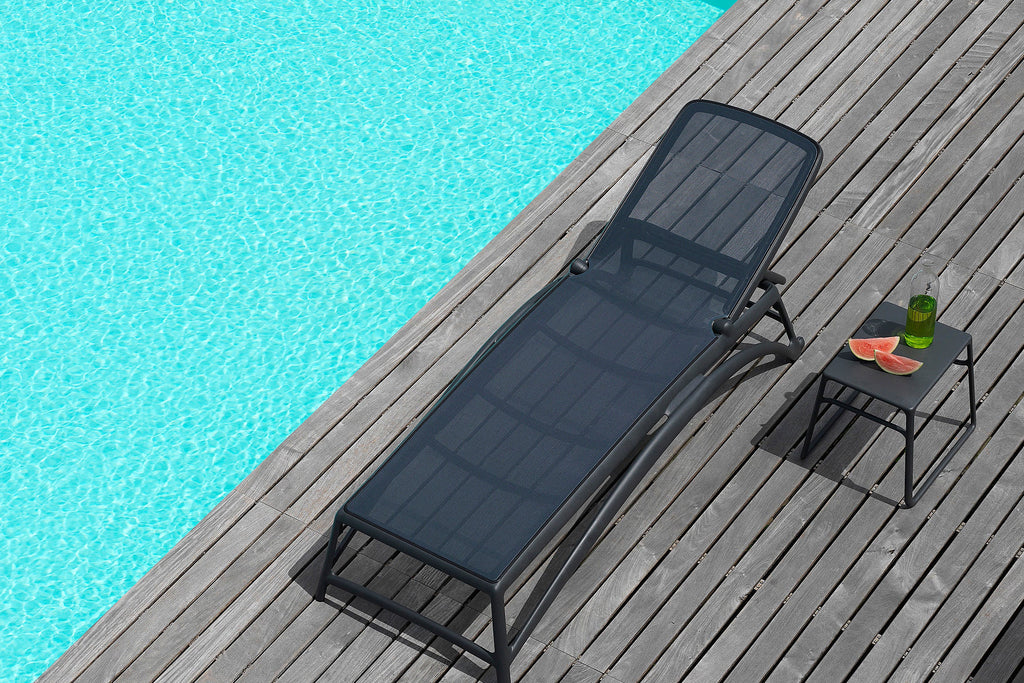
Aluminium makes a lightweight yet strong choice that never rusts - perfect for humid or coastal areas. Powder-coated aluminium resists fading, chipping, and corrosion even after years of rain and sun exposure.
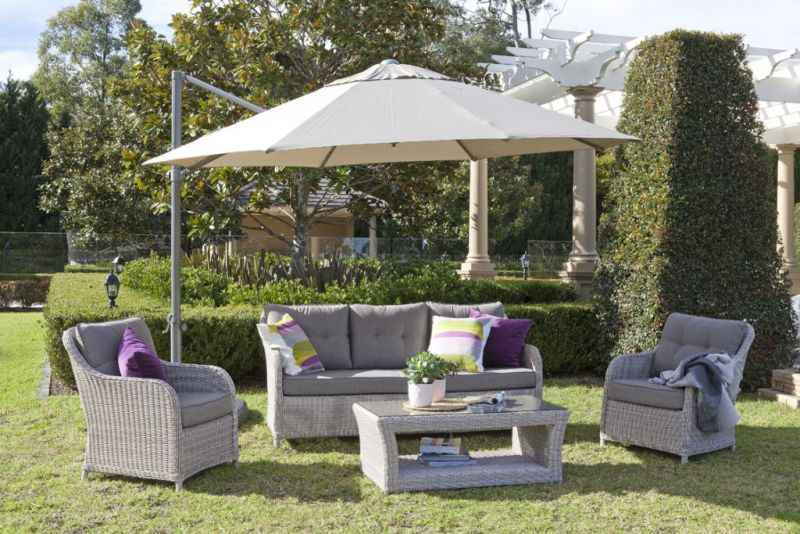
Synthetic wicker (also called resin or all-weather wicker) captures the classic wicker look without its weaknesses. These engineered materials handle UV rays, moisture, and temperature changes without fading, cracking, or turning brittle.
Understand pros and cons of each material
Teak
- Pros: Exceptional longevity, naturally weather-resistant, ages beautifully
- Cons: Higher original cost, needs occasional oiling to keep its colour
Aluminium
- Pros: Lightweight, corrosion-resistant, minimal maintenance
- Cons: Can get hot in direct sunlight, might look less warm than wood
Synthetic Wicker
- Pros: UV-resistant, moisture-proof, mimics traditional aesthetic
- Cons: Quality varies between manufacturers, cheaper options may not last as long
Look for rust-proof and UV-resistant finishes
Your choice of material matters less than protective finishes that extend furniture life. Metal furniture needs powder-coated finishes. These create a tough shield against moisture and stop rust from forming.
UV protection plays a crucial role, especially with synthetic materials and fabrics. High-quality outdoor furniture uses stable colour pigments. This prevents fading and stops materials from breaking down in the sun.
Water-repellent treatments on cushions and fabrics block moisture and reduce mould and mildew risks. Many top outdoor fabrics now include permanent stain resistance. This helps them handle spills, sunscreen, and other outdoor challenges.
The best weatherproof furniture combines tough materials with protective finishes. These pieces can handle any climate challenges your patio faces. They need minimal care to stay looking great.
4. Test for Comfort and Functionality
Your outdoor patio furniture needs to be comfortable. Beautiful and durable pieces won't serve their purpose if you can't sit in them comfortably for long periods.
Try seating before buying
You should test outdoor furniture physically before buying it. Patio chairs and sofas need a proper test run since you'll keep using them during warmer months. A few minutes in the showroom can save you years of discomfort at home. Pay attention to:
- Seat height (your feet should rest comfortably on the ground)
- Back support (helps maintain proper spinal alignment)
- Arm height (should rest naturally without straining shoulders)
- Overall feel (materials shouldn't be too hard or too soft)
More importantly, notice how you naturally sit. Do you like upright dining positions or relaxed lounging? The right furniture should support your preferred sitting style and stay comfortable during extended use.
Look for ergonomic designs
Good ergonomic outdoor furniture supports your body's natural posture. You can relax longer without feeling strained. Quality ergonomic pieces usually have:
- Adjustable back angles that let you customise comfort
- Supportive armrests that ease shoulder tension
- Proper seat depth that fits different body types
- Strategic lumbar support for lower back health
The best ergonomic furniture encourages good posture while letting you lounge comfortably on your patio. Avoid flimsy cushions and designs without lumbar support - they make you slouch and become uncomfortable quickly.
Different uses need different comfort features. A recliner for sunbathing needs different support than a sectional meant for long evening conversations.
5. Plan for Storage and Easy Maintenance
Your outdoor furniture investment will last longer with proper storage and maintenance planning. A little advance planning will keep your patio pieces in great shape for years.
Choose foldable or stackable pieces
Storage-friendly furniture works great, especially if you have limited outdoor space. Foldable bistro sets are an excellent choice since they collapse easily when not used and free up valuable floor space. You might also want to think about extendable tables that expand for guests but fold down compactly for everyday use.
Lightweight, folding hammocks give you relaxation options without taking up permanent space. Nest tables are another smart solution that stack together neatly after entertaining.
Collapsible dining sets give you the perfect mix of functionality and space efficiency if you often host gatherings. These smart designs provide comfortable dining when needed and fold away neatly afterwards.
Use covers or indoor storage in off-season
Your furniture will last longer if you protect it during periods of disuse. Even weather-resistant materials need seasonal protection. Weatherproof covers protect tables, chairs, and cushions from the elements during rainy or cold months.
The best protection comes from storing your outdoor furniture indoors during winter whenever possible. Dry spaces like garages or sheds work great, particularly for wooden or rattan pieces. High-quality, sealed furniture covers are a practical alternative if indoor storage isn't an option.
A thorough cleaning before storage will prevent mildew and dirt buildup. This simple step stops degradation while your furniture sits unused.
Opt for washable cushion covers
The right cushion covers can substantially affect both looks and durability. Look for removable designs that are easy to clean—many quality options can go in the washing machine on cold, gentle cycles. This feature lets you refresh them regularly without buying new cushions.
Premium materials engineered for outdoor conditions make the best covers. Top options offer great durability and weather resistance to protect against rain, UV rays, dirt and dust. Some manufacturers back their products with impressive warranties—up to three years including coverage for workmanship and fading.
Your cushions will last longer if you store them inside when not used, even though they're made for outdoor conditions. Storage bags and boxes can protect cushions from rain, dirt, dust and pollen if you don't have indoor space.
6. Match Style with Your Outdoor Decor
A beautiful outdoor space needs furniture that works well with your existing exterior elements. Your patio should feel like a natural extension of your home.
Coordinate with home exterior and garden
The right outdoor furniture matches your house's exterior and garden setting perfectly. Look at your wall colours, brick tones, and roof materials to pick the right furniture finishes. This creates a smooth flow between indoor and outdoor areas. You don't need to match everything exactly - just find complementary materials or finishes that work together. A woven wicker coffee table pairs nicely with teak furniture and adds variety while keeping everything cohesive.
Use colour accents in cushions and rugs
Outdoor fabrics let you show your style without buying colourful furniture. Different colour combinations create unique moods:
- Blues and yellows bring Mediterranean charm
- Botanical greens with beige create a peaceful oasis
- Black and white add modern contrast
- Sandy shades with rust tones reflect Australia's natural beauty
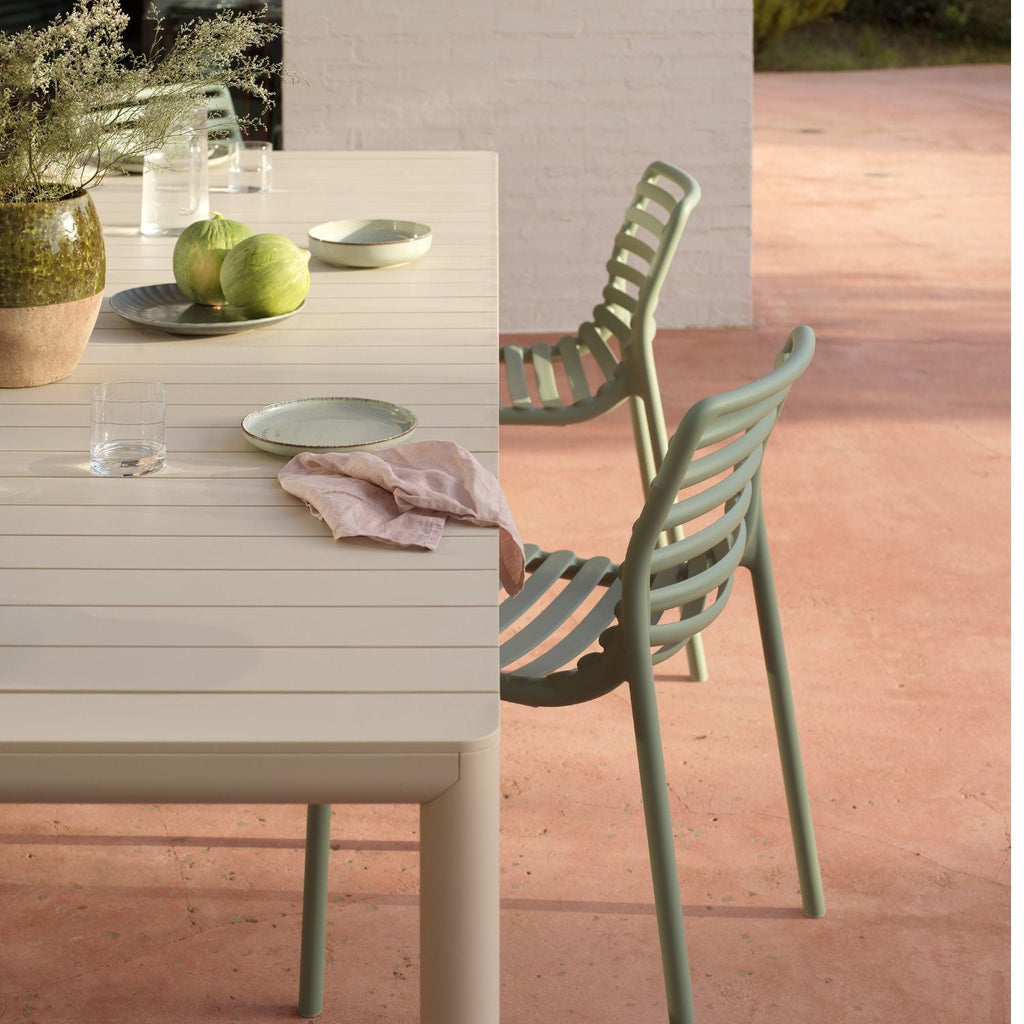
Weather-resistant rugs help define your seating areas and add texture. Pick one colour and use it throughout - sage green works well in cushions, planters, and throw pillows.
Add lighting and planters for ambience
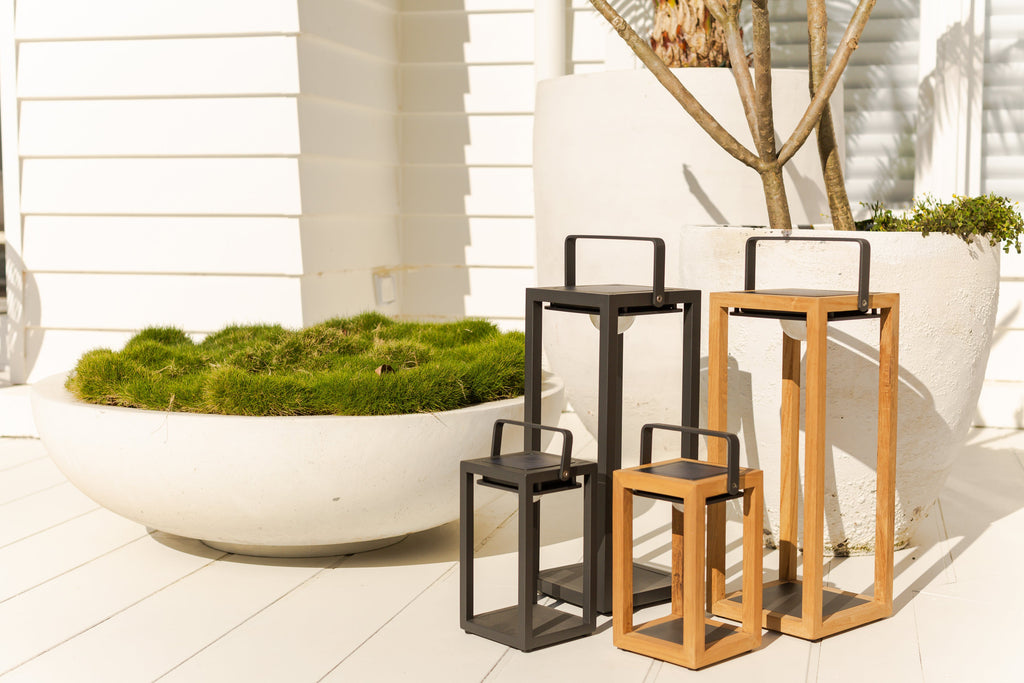
The right lighting makes evening gatherings magical. String lights create a starlit feel, while weatherproof table lamps bring cosy indoor comfort outside. Big statement planters filled with grasses or tropical plants become eye-catching focal points. They add structure to your patio design while softening hard edges naturally.
Conclusion
Smart planning and material choices will help you pick the perfect outdoor patio furniture. This piece has taught you how your patio's functionality depends on how you'll use the space, exact measurements, and weather-resistant materials. These factors affect how long your furniture will last.
You should test the comfort level before buying. This way you'll actually use your outdoor space instead of just admiring it from afar. On top of that, you need to think over storage options and upkeep needs right from the start. This helps avoid future headaches when dealing with Australian weather.
Your patio needs to show off your style and match your home's exterior. The right mix of colours, materials, and accessories creates an outdoor area that flows naturally from your indoor space.
Quality outdoor furniture is a big investment that can last for decades with proper care. Premium materials like teak or aluminium might get pricey at first, but they offer great value over time because they're so durable.
Remember - your outdoor space deserves as much attention as any indoor room. These practical tips will help you pick patio furniture that looks great, feels comfortable, and stands up to weather. You'll end up with an outdoor sanctuary to enjoy for years.
FAQs
Q1. How do I choose the right size furniture for my patio? Measure your patio area, allowing for walkways and traffic flow. Use tape or mockups to test furniture sizes before purchasing. Ensure at least 30-48 inches of clearance in high-traffic zones and 3 feet around dining tables for comfortable seating.
Q2. What are the most durable materials for outdoor furniture? Teak, aluminium, and synthetic wicker are excellent choices for durability. Teak offers natural weather resistance, aluminium is lightweight and rust-proof, while synthetic wicker withstands UV exposure and moisture. Look for powder-coated finishes and UV-resistant materials for added longevity.
Q3. How can I ensure my patio furniture remains comfortable? Test seating before buying, paying attention to seat height, back support, and arm positioning. Choose high-quality cushions made from high-density foam and opt for ergonomic designs that support your body's natural posture. Look for adjustable features to customise comfort.
Q4. What's the best way to maintain and store outdoor furniture? Clean furniture regularly and store it indoors or use weatherproof covers during off-seasons. Choose foldable or stackable pieces for easy storage. For cushions, opt for removable, washable covers and store them in dedicated storage bags or boxes when not in use.
Q5. How can I style my patio furniture to complement my home's exterior? Coordinate furniture materials and colours with your home's exterior and garden. Use cushions and rugs to add colour accents and create atmosphere. Incorporate lighting and planters to enhance ambience and define seating areas. Aim for a cohesive look that feels like an extension of your indoor space.
Share this


