





Recently viewed


Green is one of the few furniture colours that genuinely belongs in an outdoor setting. It picks up tones from surrounding garden beds, lawn, trees, and coastal scrub — green dining chairs sit in an outdoor environment the way timber or stone does, as part of the landscape rather than against it.
The shade of green you choose changes the feel of the dining area significantly. Olive sits warm and grounded. Forest green recedes quietly. Sage lightens a space. Each shade interacts differently with the table, the paving, the surrounding greenery, and the light conditions across the day.
This guide covers shade selection, table pairing, frame and cushion materials for Australian outdoor conditions, chair styles, and maintenance — the practical decisions behind choosing green dining chairs that look right and last outdoors.
Choosing the Right Green for Outdoor Dining
Olive Green
Olive green is a warm, earthy tone that grounds an outdoor dining setting. It pairs naturally with timber tables, sandstone pavers, terracotta pots, and warm-toned decking. Olive doesn't demand attention — it blends into the outdoor environment and creates a relaxed, understated dining area.
Olive green handles UV fading well because it's already a muted, low-saturation shade. Colour shift from sun exposure is gradual and subtle, making olive one of the more forgiving greens for uncovered outdoor positions.
Forest and Hunter Green
Deeper greens create a grounded, low-contrast look that works well in shaded garden dining areas, covered verandahs, and courtyards with established plantings. Forest green dining chairs blend into leafy surroundings and add depth to the setting without standing out.
These darker tones hide surface dust, pollen, and minor marks more effectively than lighter greens. They suit high-use outdoor dining areas where the chairs face regular family meals and entertaining.
Sage Green
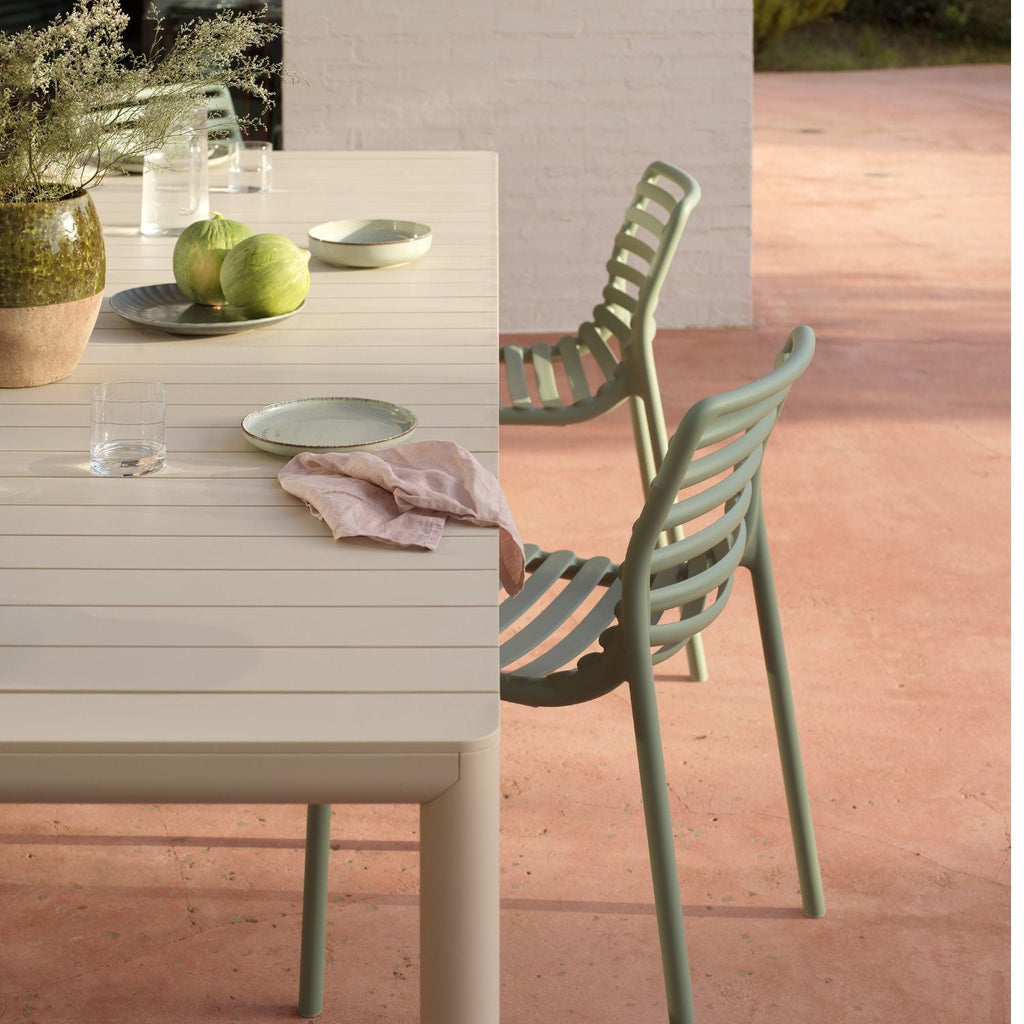
Sage is a soft, grey-toned green that lightens an outdoor dining area without the brightness of white or the starkness of pale grey. Sage green dining chairs suit covered patios, light-toned outdoor surfaces, and spaces where you want colour without high visual contrast.
The grey undertone in sage means it reads as calm and neutral in most outdoor settings. It pairs well with both warm timber and cool stone surfaces, making it one of the more versatile green shades for outdoor dining furniture.
Emerald Green
Emerald is a deeper, more saturated shade that creates a stronger visual presence at the dining table. Emerald green dining chairs work well as a focal point in larger outdoor dining areas — against a neutral backdrop of pale pavers, white rendered walls, or dark timber, they draw the eye without overwhelming the space.
Saturated greens like emerald show UV fading more noticeably than muted shades. They perform best in covered or semi-covered positions where direct sun exposure is limited during peak UV hours.
How Green Dining Chairs Pair With Outdoor Tables
Green dining chairs work with most outdoor table materials, but some combinations create stronger results than others.
Timber Tables
Green and timber is one of the most natural pairings for outdoor dining. Olive or sage green dining chairs beside a teak dining table create a warm, organic combination that suits Australian backyards and garden settings. The green connects with surrounding foliage while the timber anchors the setting with natural warmth.
Darker greens like forest or hunter pair well with lighter timbers. Lighter greens like sage suit both light and dark timber tones.
Stone and Concrete Tables
Grey or charcoal concrete tables create clean contrast with green dining chairs. The cool, neutral surface makes the green stand out as a deliberate colour choice rather than blending in. Olive and emerald both work well against stone — olive for a more grounded pairing, emerald for a bolder contrast.
Aluminium and Metal Tables
Green dining chairs with a matching or contrasting aluminium dining table create a modern outdoor dining setup. A charcoal aluminium table with olive or sage green chairs is a practical, weather-resistant combination that looks clean and intentional.
For a cohesive dining setting, matching the frame material and finish of the chairs to the table creates visual consistency across the set.
White Tables
Green dining chairs against a white table create fresh, high-contrast visual definition. This pairing works well in bright outdoor areas and makes both the chairs and the table stand out clearly. Sage and olive green read as calm against white; emerald creates a bolder statement.
Frame and Seat Materials for Outdoor Use
Powder-Coated Aluminium
Aluminium is rust-free, lightweight, and handles UV and heat cycling without warping. Powder coating bonds a durable green finish to the frame that resists scratching, chipping, and fading. Aluminium dining chairs are easy to move and reposition — practical for outdoor dining areas where chairs shift between the table and other positions regularly.
Green powder coating holds its colour well on aluminium frames. Muted shades like olive and sage show less visible fading than saturated greens like emerald over extended UV exposure.
Resin Wicker on Aluminium
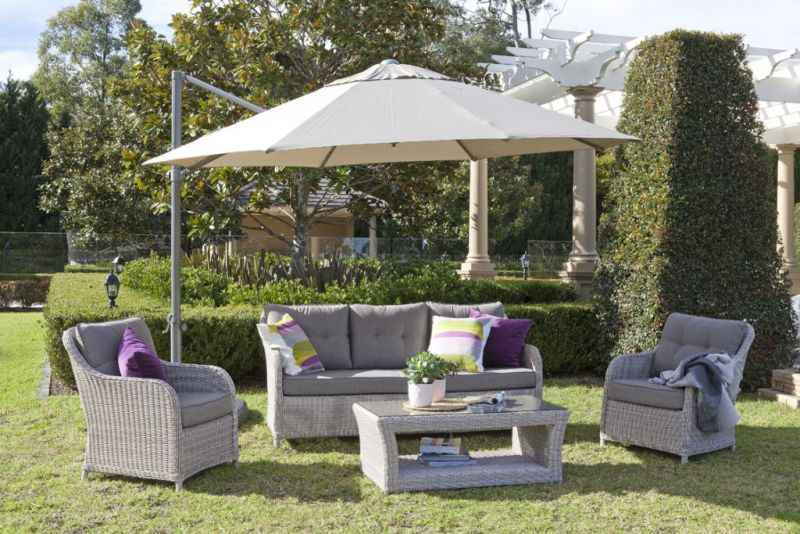
Resin wicker woven over a powder-coated aluminium frame gives a textured look with full weather resistance underneath. Green wicker dining chairs add visual warmth and depth at the table — the woven texture catches light differently throughout the day, which suits outdoor settings where natural light changes constantly.
The wicker is UV-stabilised, doesn't absorb moisture, and hoses clean. It suits covered patios and courtyards where you want texture and warmth alongside weather resistance.
Rope Weave on Aluminium
UV-stabilised synthetic rope woven over an aluminium frame creates a lighter, more open chair profile. Green rope dining chairs dry quickly after rain and handle coastal salt air well — a practical choice for beachside dining areas, exposed balconies, and outdoor spaces that get wet regularly.
The rope weave gives the chairs a softer visual character than bare aluminium while keeping the structure lightweight and easy to move.
Teak and Hardwood Timber
A green cushion on a natural teak or hardwood timber dining chair combines colour with the warmth of natural wood. Teak is naturally weather-resistant and handles UV exposure without splitting or cracking.
Left untreated, teak develops a silver-grey patina that pairs well with olive and sage green cushion fabrics. Oiled teak retains its warm golden tone, which works well with darker greens like forest and emerald. Timber frames are heavier than aluminium — they suit permanent dining positions rather than setups that move frequently.
Outdoor Cushion Fabrics
If your green dining chairs include seat or back cushions, the fabric needs to be rated for outdoor use. Water-repellent, UV-stabilised fabric is the standard for outdoor cushions — it sheds light rain, resists staining, and holds the green colour through sun exposure.
UV stabilisation matters more for green cushions than for grey or charcoal, because green pigments can shift noticeably under sustained UV if the fabric isn't treated. Removable, hose-clean covers make maintenance straightforward and let you swap shades if you want a change.
Armless, Armed, and Stackable Options
Armless Side Chairs
Armless dining chairs have a slim profile that fits neatly along the sides of a dining table. They save space, tuck under the table when not in use, and suit tighter outdoor dining setups where shoulder room matters.
Dining Armchairs
Arm dining chairs provide more support during longer meals and a more relaxed seating position. They take up more width — check that the arms clear the table edge and allow comfortable spacing between seats. Placing armchairs at the ends of the table and armless chairs along the sides is a common outdoor dining arrangement.
Stackable Dining Chairs
Stackable dining chairs nest vertically for compact storage. If you need extra seating for entertaining but don't want chairs out permanently, stackable green dining chairs let you scale up quickly and store four to six chairs in a single footprint.
Caring for Green Outdoor Dining Chairs
Green finishes and fabrics need the same basic care as any outdoor furniture — regular surface cleaning and cushion management.
Frames
Hose down aluminium, resin wicker, and rope weave periodically to remove dust and pollen. For teak, a light scrub with mild soapy water clears surface grime. Avoid abrasive cleaners on any frame finish.
Cushion Covers
Remove and hose clean, or machine wash if the fabric allows. Spot-clean food and drink marks promptly — water-repellent fabric makes this easy because spills sit on the surface rather than soaking in.
UV Fading
Muted greens (olive, sage) fade gradually and subtly. Saturated greens (emerald) show fading more visibly. Covered or semi-covered placement extends colour life for brighter shades. Storing cushions when the dining area isn't in use also reduces cumulative UV exposure.
Cushion Storage
Store cushions under cover or bring them inside during extended wet weather. Using outdoor furniture covers is the simplest way to extend cushion life on any outdoor dining chair.
What to Check Before Buying
Shade and Exposure
Muted greens handle uncovered positions and UV exposure with less visible fading. Saturated greens perform best under cover or in semi-covered dining areas.
Frame Material
Powder-coated aluminium is the most weather-resistant and low-maintenance choice. Resin wicker and rope weave add texture. Teak adds natural warmth but is heavier.
Table Compatibility
Check that the chairs fit around your table with roughly 60 centimetres between chair centres for comfortable shoulder room. Armchairs need to clear the table edge.
Cushion Fabric
If the chairs use cushions, confirm they're water-repellent and UV-stabilised. Removable, washable covers make ongoing care simpler.
Number of Chairs
Count what you need for everyday dining and for entertaining. Stackable extras let you add seats for guests without permanent clutter.
Stackability
If storage space is limited, stackable chairs save room between gatherings and keep the dining area clear when seats aren't needed.
A Natural Fit for Outdoor Dining
Green dining chairs belong outdoors in a way that few other furniture colours do. They connect with surrounding greenery, sit well against natural materials like timber and stone, and hold their visual appeal through Australian outdoor conditions on the right frame and fabric.
Choose a shade that suits your exposure level — olive and sage for uncovered positions, emerald for covered areas where you want a stronger colour statement. Match the chairs to your table material for a cohesive dining setting, and pick a frame rated for outdoor weather. With those decisions right, a set of green dining chairs anchors your alfresco dining area with colour that looks like it was always meant to be there.
Browse the full range of outdoor dining chairs and outdoor dining settings to find green options for your outdoor table.
Frequently Asked Questions
Which green shade fades the least in Australian sun?
Olive and sage green fade the most gradually because they are already muted, low-saturation shades. Any colour shift from UV exposure blends in rather than standing out. Saturated greens like emerald show fading more visibly and perform best in covered or semi-covered outdoor dining areas.
Can green dining chairs be left outdoors all year?
Yes, provided the frame and fabric are rated for outdoor conditions. Powder-coated aluminium, resin wicker, and UV-stabilised rope weave all handle rain, heat, and UV without degrading. Cushions should be stored under cover or brought inside during extended wet periods to maintain their condition.
How many green dining chairs fit around a standard outdoor table?
Allow roughly 60 centimetres between chair centres for comfortable shoulder room. A 180 centimetre rectangular table typically seats six. If using armchairs at the head positions, confirm the arms clear the table edge and don't reduce spacing for adjacent seats.
Do green dining chairs work with a charcoal or black table?
Green dining chairs pair well with dark tables. Olive and sage create a warm, grounded contrast against charcoal aluminium or dark stone. Forest green blends subtly with darker surfaces. Emerald creates a bolder colour statement. The dark table acts as a neutral base that lets the green chairs define the setting's character.
What is the easiest green dining chair material to maintain outdoors?
Powder-coated aluminium requires the least upkeep. It needs only a periodic hose-down to remove dust and pollen, doesn't rust, and holds its green finish well under UV exposure. Resin wicker on an aluminium frame is a close second — it adds woven texture while staying hose-clean and weather-resistant.