




Recently viewed


How to Choose Luxury Outdoor Furniture That Actually Lasts
The Australian climate is genuinely tough on outdoor furniture. Intense UV exposure, coastal salt spray, and dramatic seasonal swings mean that what looks impressive in a showroom can deteriorate within a few seasons if the materials and construction aren't up to it. The difference between luxury outdoor furniture that lasts decades and expensive furniture that doesn't comes down to a handful of specific decisions — materials, construction quality, and knowing what to inspect before you buy.
Luxury vs Expensive: What the Distinction Actually Means
Materials Engineered for Australian Conditions
Genuine high end outdoor furniture starts with material selection. Premium teak contains natural oils and a tight grain structure that resists moisture intrusion, prevents warping and naturally deters insects. Over time it develops a distinguished silver-grey patina while maintaining structural integrity for decades.
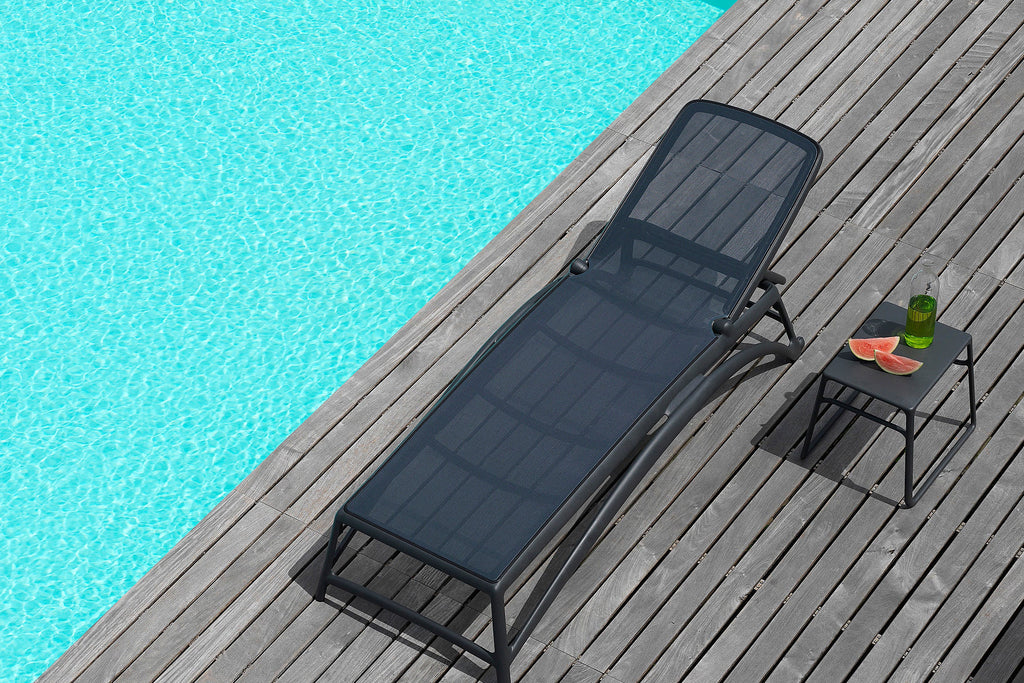
Marine-grade polymers are engineered specifically for harsh environments — they won't crack, splinter, rot or rust. Cast aluminium with protective finishes resists corrosion and oxidation, offering a light yet durable framework that handles moisture and UV exposure without issue. Powder-coated aluminium and sustainably harvested teak are the two materials that consistently hold up in Australian conditions without warping, cracking or rusting.
Premium fabrics for outdoor use feature UV stabilisation that retains colour under prolonged sun exposure. Rust-proof fittings and corrosion-resistant finishes complete the picture.
Construction That Holds Up Over Time
Material quality only goes so far — construction method is equally important. Quality luxury outdoor furniture features reinforced stress points, UV-resistant finishes, precision-welded joints that prevent water infiltration, and hidden hardware systems that maintain clean lines while delivering functional durability.
Joints should be welded or reinforced, not stapled. Cushions should use fast-drying foams that resist mildew and hold their shape. Premium fabrics like solution-dyed acrylic remain breathable, easy to clean, and built to endure everything from summer storms to sun-soaked afternoons.
Design Features Worth Paying For
Beyond aesthetics, genuine luxury outdoor patio furniture incorporates ergonomic support, deep seating and plush cushions. Quick-dry cushion technology, adjustable components and modular designs allow configurations to change over time. Weight and substance convey quality — well-proportioned, solid pieces feel different from hollow alternatives.
The Materials That Define Lasting Outdoor Furniture
Aluminium Frames
Aluminium is the preferred frame material for luxury outdoor furniture in coastal and urban Australian environments. It resists rust, UV damage and humidity through a protective oxide layer that forms naturally on its surface — and that layer has self-healing properties, so superficial scratches quickly camouflage themselves.
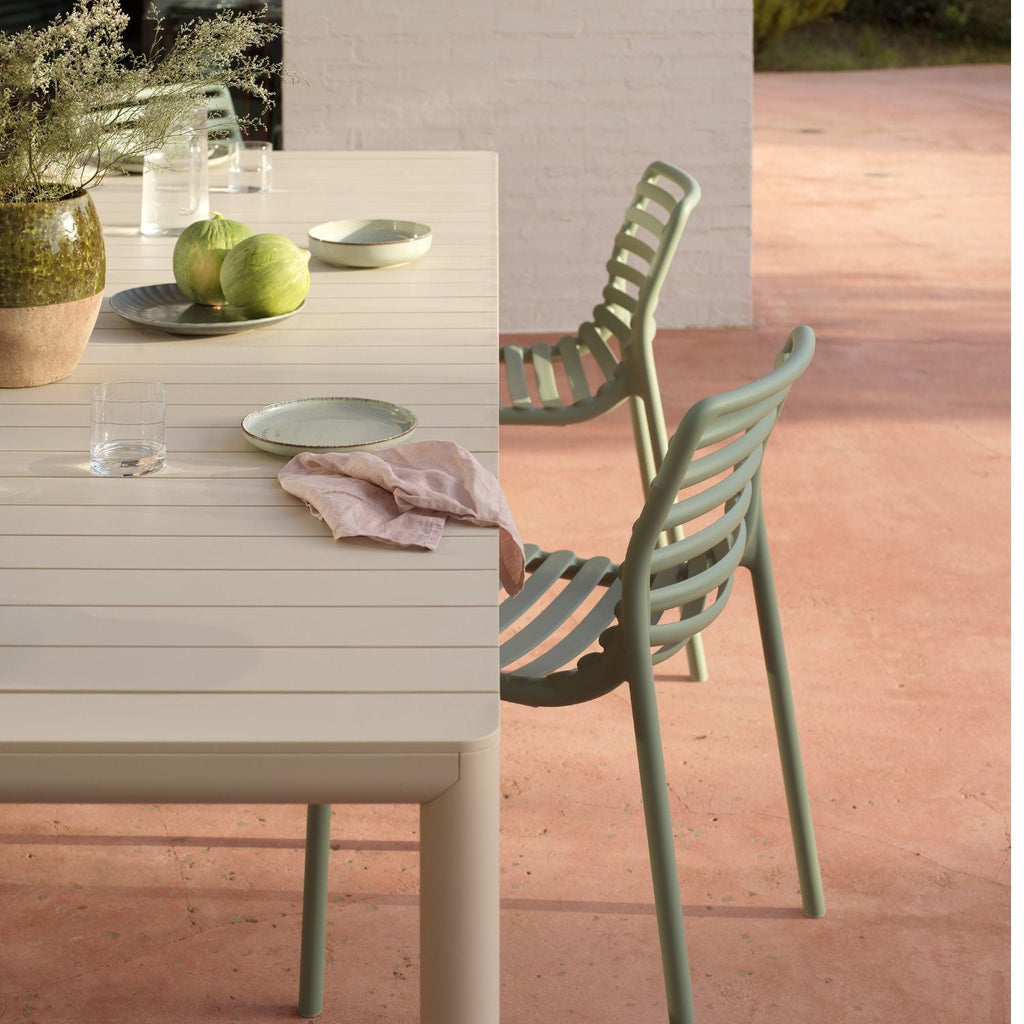
Aluminium frames weigh only one-third the density of steel, combining lightness with enduring strength. You can rearrange pieces or move them for cleaning without compromising durability. Powder-coated finishes provide maximum protection against colour fading, UV deterioration and corrosion — particularly valuable in coastal areas where salt spray accelerates material degradation.
Natural Teak
Premium teak furniture uses ecological plantation teak with a minimum of 60 years of age. This maturity gives the timber the high natural oil content and dense grain structure that creates a water-repellent barrier against moisture, rot and pest damage.
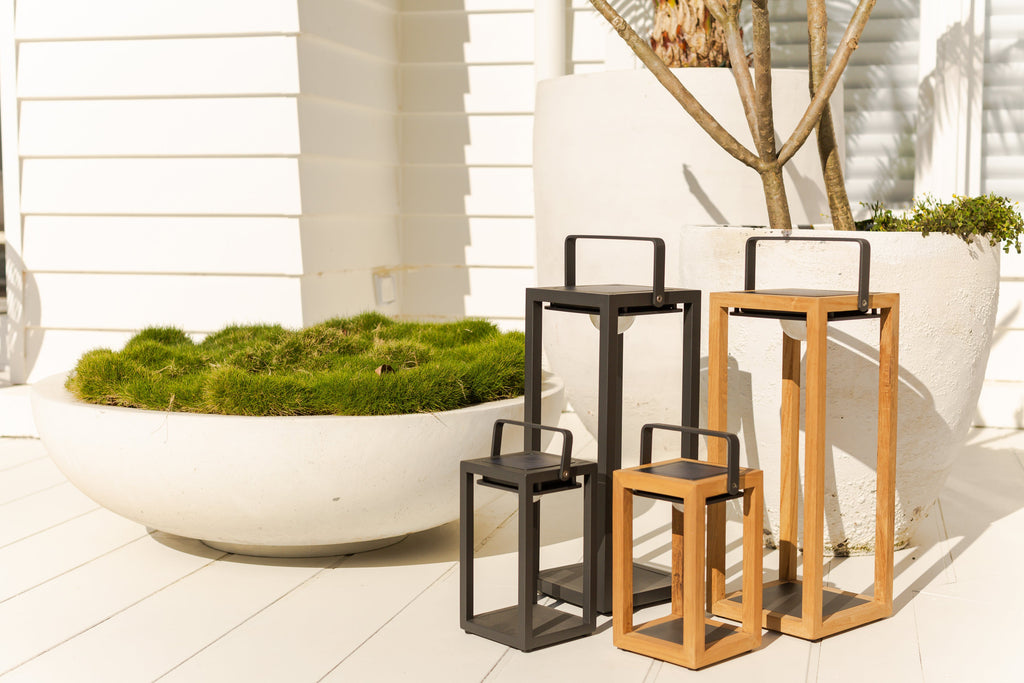
Quality teak outdoor furniture lasts 25 to 30 years outdoors; top-grade pieces can endure 50-plus years. The dense grain resists swelling and shrinkage through extreme temperature fluctuations, maintaining dimensional stability through harsh Australian summers and variable winters. Teak develops its silver-grey patina over 5 to 12 months of UV exposure — adding character while the natural oils continue protecting the timber beneath.
High-Performance Synthetic Wicker
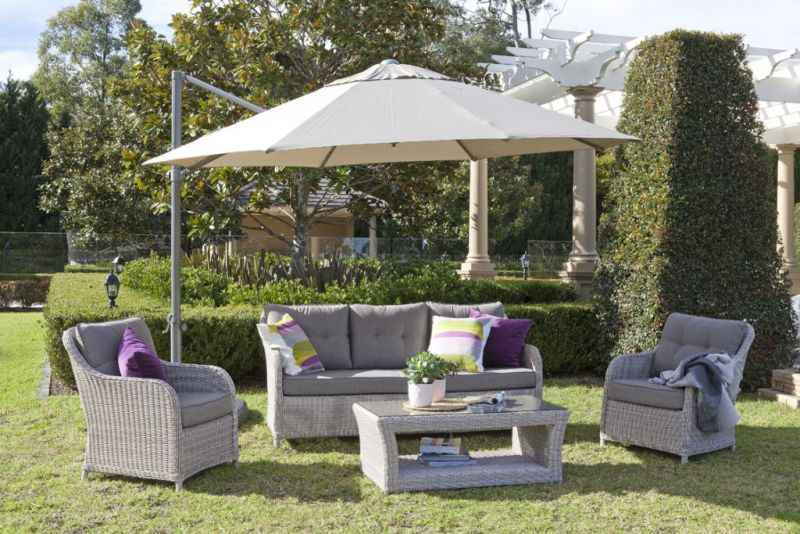
Synthetic wicker made from high-density polyethylene (HDPE) and polypropylene delivers exceptional durability and UV resistance. Unlike natural rattan, these fibres retain form and colour through sun, rain and seasonal changes. HDPE wicker is moisture-resistant, won't absorb water or warp in humid conditions, and maintains strength in extreme temperatures. Premium synthetic wicker is handwoven one strand at a time and is 100% recyclable.
Premium Outdoor Fabrics
Solution-dyed acrylic fabrics offer rich, lasting colours and exceptional durability. The solution-dyed manufacturing process ensures colours penetrate the entire fibre rather than sitting on the surface — which is what prevents fading. High-performance outdoor fabrics resist water, mould, stains, fading and UV damage while remaining soft to touch. They withstand harsh cleaning chemicals and maintain cushion resilience after repeated use.
Ceramic and Lava Stone Table Tops
Lava stone withstands temperatures ranging from -50 to 1,000 degrees and proves ideal for both indoor and outdoor use. Glazing processes ensure UV stability, water imperviousness and resistance to heat, frost, chemicals and stains.
Ceramic table tops offer heat resistance to 300°C — you can place items straight from the barbecue without concern. The non-porous surface prevents moisture absorption, won't harbour bacteria and resists staining. Both materials need minimal maintenance: warm soapy water is all that's required.
How to Inspect Construction Quality Before You Buy
Frame Thickness and Reinforcement
Aluminium frames should measure at least 1.2 millimetres in gauge thickness. Thinner aluminium compromises structural integrity. Run your hand along frame joints and feel for reinforcement points — quality luxury outdoor furniture features welded or interlocking joints that create rigid connections.
Press firmly on seating areas and armrests. Premium frames resist flexing, which indicates proper reinforcement at stress points. Check underneath seats and along back supports for additional bracing. For windy locations, look for weighty bases or anchor points.
Wicker Weaving and UV Stabilisation
Weave pattern affects longevity directly. Flat wicker is standard industry construction; narrow round rattan uses more material and creates heavier pieces that outlast flat weave alternatives. Lift different wicker pieces and compare weight — heavier generally means denser and more durable.
UV stabiliser content is harder to assess visually. Polyethylene rattan with insufficient UV stabiliser becomes brittle under Australian sun. Your best indicator is the warranty period. Ask specifically whether the manufacturer uses polyethylene or polypropylene — polypropylene costs less but delivers inferior durability.
Cushion Density and Water Resistance
Quality outdoor cushion foam maintains a minimum density of 28 kilograms per cubic metre. Press deeply into cushions — high-density foam resists compression and springs back immediately. Quick-dry reticulated foam prevents water retention; moisture drains while continuous airflow accelerates drying.
Check seam construction closely. Double-stitched seams indicate superior craftsmanship. Apply water droplets to fabric surfaces — premium materials cause water to bead and roll off rather than absorbing into fibres. This simple test reveals whether cushions have genuine water-resistant treatment.
Hardware and Fasteners
Stainless steel fasteners resist corrosion in outdoor conditions. Grade 304 suits most climates; Grade 316 marine-grade stainless steel provides superior protection for coastal environments. Check visible screws and bolts for rust spots or discolouration. Inspect threading quality on removable components — clean, well-formed threads allow smooth installation without burrs. Loose-fitting hardware weakens connections and signals compromised quality.
Making Luxury Outdoor Furniture Last in Australian Conditions
Regular Maintenance
Warm soapy water is all most luxury outdoor furniture needs for routine cleaning. Harsh chemicals damage finishes and leave residue. Apply wood sealant or oil every 6 to 12 months to preserve natural colour and weather resistance. Metal furniture benefits from rust-resistant coating or car wax to repel moisture. Synthetic wicker benefits from UV-protective sprays. Inspect regularly for cracks, splits or rust spots.
Storage and Covers
Breathable furniture covers protect from wind, rain and sun during periods of non-use — breathable rather than fully waterproof, to allow air circulation and prevent mould growth. Store cushions in waterproof containers during extended non-use. Remove foot caps on chairs and tables and keep furniture upright to allow water drainage.
Cleaning by Material
- Timber: gentle scrubbing with mild soap solution; avoid power washers
- Metal: soft brush cleaning with immediate treatment of any rust spots
- Wicker: hoover with a brush attachment before wiping with a damp cloth
- Upholstered pieces: clean seam to seam to avoid water rings
Repair vs Replace
Patio furniture repairs typically cost 40 to 70% less than replacing whole sets. Replacement becomes the wiser financial decision when repair costs approach 50% of the price of new furniture, or when structural integrity is genuinely compromised.
FAQs
Which outdoor furniture material lasts the longest? Premium teak and cast aluminium with powder-coated finishes consistently offer the longest lifespans — often 25-plus years. High-quality synthetic wicker (particularly HDPE) also provides exceptional durability. The key is choosing materials specifically engineered to resist UV damage, moisture and temperature fluctuations.
What materials should I prioritise for durable outdoor furniture? Marine-grade aluminium frames, sustainably harvested teak with high natural oil content, UV-stabilised HDPE synthetic wicker, and solution-dyed acrylic fabrics. Premium pieces also feature stainless steel hardware and quick-dry foam cushions that prevent mildew while maintaining shape.
Which outdoor furniture material requires the least maintenance? Cast aluminium. It naturally resists rust through a protective oxide layer, requires no painting or staining, and only needs occasional cleaning with warm soapy water. Powder-coated finishes add further protection against UV damage and corrosion.
How do I extend the life of luxury outdoor furniture in harsh weather? Regular cleaning with mild soap solution, protective treatments every 6 to 12 months, and breathable covers during non-use all help significantly. Store cushions in waterproof containers during extended periods, inspect regularly for damage, and address issues promptly. Proper drainage and avoiding harsh chemicals preserve the finish and structure over time.