





Recently viewed


Outdoor Resin Bench: How to Choose the Right One for Your Patio
Your search for the right outdoor resin bench starts here. These durable seating options require minimal maintenance and stand up to wind and rain. They work well for any outdoor space. Whether you are interested in resin garden benches, a weatherproof resin garden bench, a resin wicker outdoor bench or a resin patio bench, you will find what you need in this piece. We cover everything from materials and benefits to types and key features.
What Is a Resin Outdoor Bench?
A resin outdoor bench is seating furniture constructed from synthetic plastic materials designed to withstand outdoor conditions. Unlike traditional benches made from natural materials, these benches use man-made polymers that resist weather damage, moisture, and UV rays.
Materials Used in Resin Benches
Resin benches are manufactured using several types of synthetic materials. Polypropylene (PP) is a lightweight, durable, non-toxic, and antistatic material that resists weather and UV rays. Manufacturers treat it with UV protectants and colour it with safe pigments to maintain the bench's appearance over time.
Polyethylene represents another common material choice. Resin wicker benches use resilient polyethylene treated for UV stabilisation and waterproofing. High-density polyethylene (HDPE) offers resistance to cracking and splintering. The material is non-porous and inorganic, which means it does not absorb water and cannot rot.
LLDPE resin provides strong durability for outdoor furniture. The material is UV stabilised and prevents fading or brittleness from sun exposure. Resin remains non-porous, blocking water absorption and preventing mould, mildew, and rot.
These synthetic plastics derive from chemical reactions using natural gas and crude oil by-products. The manufacturing process creates materials suitable for coatings, adhesives, and composites.
How Resin Benches Differ from Wood and Metal
Wooden benches require substantial care and face constant threats from rotting and splitting. You need to stain and seal wood regularly to protect it from moisture. Resin benches stay outside through all seasons without risking deterioration. The non-porous surface does not absorb moisture from outdoors.
Metal benches, especially steel or iron options, face susceptibility to rust and corrosion that weakens them over time. Resin remains immune to rust and corrosion and performs well with less maintenance. Salty coastal air damages aluminium, steel, or wrought iron furniture, but resin handles high saline environments without issue.
Maintenance demands differ between materials. Wood requires staining, sealing, and seasonal attention. Metal needs rust prevention treatments. Resin benches only need soap and water for cleaning. You can spray them with a hose to remove dirt and debris.
Weight represents another major difference. Resin benches are lightweight compared to wood or metal alternatives and are easy to move and rearrange. Two people can relocate even the largest resin seating pieces.
Why Choose Resin for Outdoor Furniture
Resin withstands both very hot and very cold weather conditions without showing wear and tear. The material does not expand or contract with temperature changes, which prevents cracking and warping. Resin maintains its shape and functionality whether you face summer heat or winter cold.
The material offers resistance to moisture, mould, pests, and UV rays. Rain, sun, and salt pose no threat to manufactured resin furniture. You can leave your bench outside through all seasons without damage.
Resin benches come from recycled materials and remain recyclable at the end of their lifecycle. Manufacturing processes use solar power and meet environmental standards. Some manufacturers recycle all plastic waste back into production.
Durability translates to longevity. Resin furniture maintains its integrity over extended outdoor use. The material resists cracking, chipping, and peeling despite heavy use.
Benefits of Resin Garden Benches
Resin garden benches deliver practical advantages that make them stand out among outdoor furniture options. These benefits extend beyond simple durability to include environmental responsibility and low-maintenance ownership.
Weather Resistance and Durability
Handwoven resin wicker is tested to ensure outdoor resilience and strength through all conditions. The material resists sun, rain, heat and cold without cracking, sagging or fading. High-quality plastic and resin benches are engineered to be tough and avoid the rust problems of metal, the rot issues of wood and the cracking tendencies of concrete.
Rain and moisture bead up and roll off the non-porous surface, which prevents water damage. The material does not absorb water, so freeze-thaw cycles do not cause splitting or spalling.
UV-stabilised materials resist fading from UV rays. Quality resin uses UV-rated formulations that endure extended direct sunlight without losing colour integrity. Strong resin construction offers reliable long-term colour retention and UV-resistant properties.
Low Maintenance Requirements
Your outdoor resin bench requires minimal care to keep it performing well. Occasional washing removes atmospheric dirt and grime. Run a damp sponge over the surface with a mild soap solution. You can rinse it with a hose or clean it with soap and water.
Traditional outdoor bench types often require regular staining, sealing and painting to maintain their condition. Resin benches need no such treatment. They do not splinter, which makes them straightforward to clean. The non-porous surface resists stains, mould and mildew.
Low-Maintenance Ownership
Resin benches require no sanding, staining or painting. A wooden bench needs stripping, sanding, painting or staining and requires replacement multiple times within the lifespan of a single resin bench. The low-maintenance nature of resin reduces the ongoing upkeep compared to wood or metal alternatives.
Eco-Friendly Options
Eco-friendly outdoor benches are more environmentally responsible than other outdoor bench types. They are made from recycled plastic waste and divert plastic from landfills. Some benches are constructed with 100% recycled plastic materials.
Many resin furniture products use recycled high-density polyethylene plastic from reclaiming milk jugs, detergent bottles and other post-consumer plastics.
Variety of Styles and Colours
Commercial recycled plastic bench selections are available in different styles, colours and sizes. You can choose from an array of earth-tone colours that complement your outdoor environment. Recycled plastic can closely mimic the appearance of wood and fit naturally into outdoor spaces while providing stronger weather performance.
Types of Outdoor Resin Benches
Resin benches come in distinct categories. Each one meets specific needs and aesthetic priorities. You need to understand these different types to select the option that best fits your outdoor space and functional requirements.
Resin Wicker Outdoor Bench
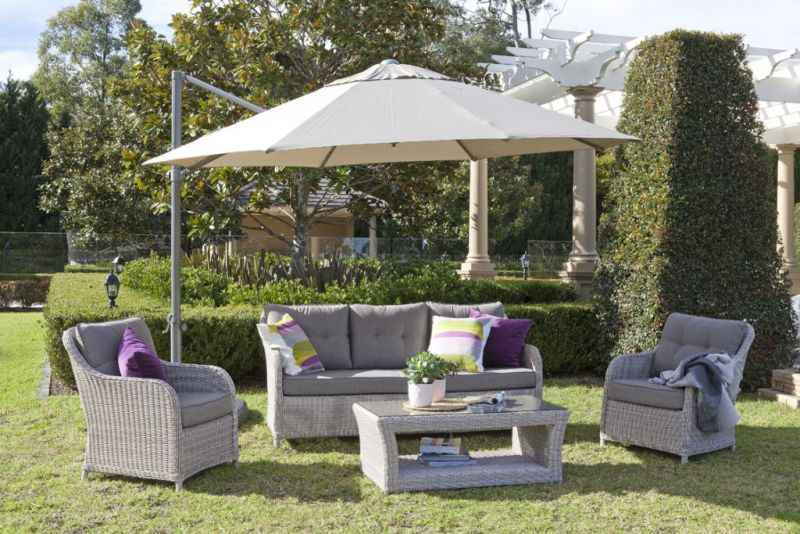
The resin wicker outdoor bench features handwoven vinyl resin material. This construction method uses High-Density Polyethylene (HDPE), the strongest type of outdoor resin wicker available. HDPE wicker holds the most ultraviolet inhibitors within the resin. This keeps it from fading, cracking, or deteriorating when exposed to intense UV light.
These benches combine durability with a woven texture that suits outdoor settings. The natural handwoven vinyl resin creates a practical, enduring look. You can use a wicker bench as a standalone piece. You can also combine it with other furniture to form a complete seating group. The low-care nature lets you spend more time using your furniture and less time on upkeep.
Moulded Polyresin Benches
Smooth, recycled polyresin forms moulded polyresin benches. These pieces come in designs, styles and colours to suit different outdoor settings. The smooth finish provides a clean, modern appearance and maintains the practical benefits of resin construction.
These benches are non-porous. They do not absorb moisture and can stay outside throughout every season. Options come in different sizes suited to compact gardens and spacious outdoor dining areas. The clean lines work with a range of outdoor setups, whether you use them alone or in groupings.
Resin Storage Benches
Storage benches combine seating with practical storage space beneath the seat. You lift the seat and find hidden storage suited for pool accessories, small garden tools, outdoor cushions and lawn items. This dual functionality helps keep your yard organised without requiring extra space for a separate storage solution.
These benches offer the look of wood without ongoing upkeep. The weather-resistant resin handles sun, rain and changing temperatures. It keeps its shape and finish. Durable resin does not peel, rot or rust. It maintains a clean appearance with just an occasional wipe down.
Colour Options: Black Resin Outdoor Bench and More
Black resin outdoor benches provide a versatile option that complements outdoor colour schemes of all types. Manufacturers offer storage benches and other styles in a range of neutral colours that blend with patios, decks and garden areas. The variety extends to earth tones, whites, greys, and natural-looking finishes that suit different outdoor environments.
Key Features to Consider When Choosing
Selecting the right outdoor resin bench requires attention to specific technical features that determine how well it serves your needs. These considerations extend beyond appearance to functionality and long-term performance.
Weight Capacity
Weight ratings vary across models. Standard benches support multiple adults comfortably. Mid-range options provide greater stability and capacity. High-capacity benches suit heavy-duty applications where stronger structural support is needed. Check the manufacturer's stated load rating to ensure it meets your requirements.
UV Protection and Fade Resistance
UV stabilisation prevents colour degradation from sunlight exposure. Quality resin benches use materials treated to resist UV damage. High-density polyethylene (HDPE) wicker holds ultraviolet inhibitors within the resin structure and prevents fading and cracking.
Solution-dyed materials maintain their colour through extended sun exposure. These fabrics resist colour loss from normal usage and atmospheric conditions. Fade-resistant finishes ensure your bench retains its appearance across seasons of outdoor use.
Assembly Requirements
Assembly complexity varies by design. Some benches arrive pre-assembled and require no setup. You unpack them and start using them straight away.
Other models need assembly but remain straightforward. Simple designs assemble in minutes with just a screwdriver. More complex benches require 30 to 60 minutes and come with included instructions. Most manufacturers provide all hardware and tools.
Choosing the Right Outdoor Resin Bench
Your outdoor resin bench combines durability with minimal upkeep requirements. These weather-resistant seating options withstand extended sun and rain exposure without the maintenance that wood and metal require. You are selecting furniture built to perform reliably across seasons, whether you choose a wicker design, moulded polyresin, or a storage bench.
Take time to review features like weight capacity and UV protection. This ensures you select a bench that meets your specific needs and performs well in your outdoor living area.
FAQs
Q1. What materials are used to make resin outdoor benches?
Resin benches are manufactured using synthetic plastic materials like polypropylene (PP), polyethylene, and high-density polyethylene (HDPE). These materials are treated with UV protectants to resist weather damage, moisture, and sun exposure. The non-porous nature of these plastics prevents water absorption, rot, and mould growth.
Q2. How does a resin bench compare to wood and metal for outdoor use?
Resin benches require significantly less maintenance than wood or metal alternatives. Wood needs regular staining and sealing, metal requires rust prevention, while resin only needs occasional washing with soap and water. Resin is also lighter than both wood and metal, making it easier to move and rearrange. It resists rust, rot, and moisture damage without any treatment.
Q3. What types of resin outdoor benches are available?
The main types include resin wicker benches (handwoven HDPE over frames for a woven texture), moulded polyresin benches (smooth recycled resin in clean, modern profiles), and resin storage benches (seating with hidden storage beneath the seat for outdoor accessories). Each type suits different outdoor spaces and functional needs.
Q4. Do resin benches require regular maintenance like wood benches?
No, resin benches require minimal maintenance compared to wood or metal alternatives. They only need occasional washing with soap and water or a simple hose rinse to remove dirt. Unlike wood benches that require staining, sealing, and painting, resin benches need no such treatments and do not splinter or rust.