





Recently viewed


Your outdoor seating can turn a garden or patio into a genuine extension of the home, but with so many configurations, materials and styles, you need to choose wisely. You might be after a complete outdoor dining setting, a durable teak outdoor setting, or comfortable outdoor seating chairs that suit your deck or courtyard. This guide walks you through everything you need to know: how to select the right furniture and materials, how to add the finishing touches, and how to maintain your outdoor seating for the long run.
Choosing the Right Outdoor Furniture
Outdoor Seating Chairs: Types and Styles
Chairs determine how comfortably you occupy your outdoor space. Folding chairs deliver versatility through lightweight, portable designs suited to small patios, balconies and flexible layouts. You can bring extra seating when needed and tuck it away afterwards. Modern versions come in weather-resistant aluminium frames or hardwood finishes.
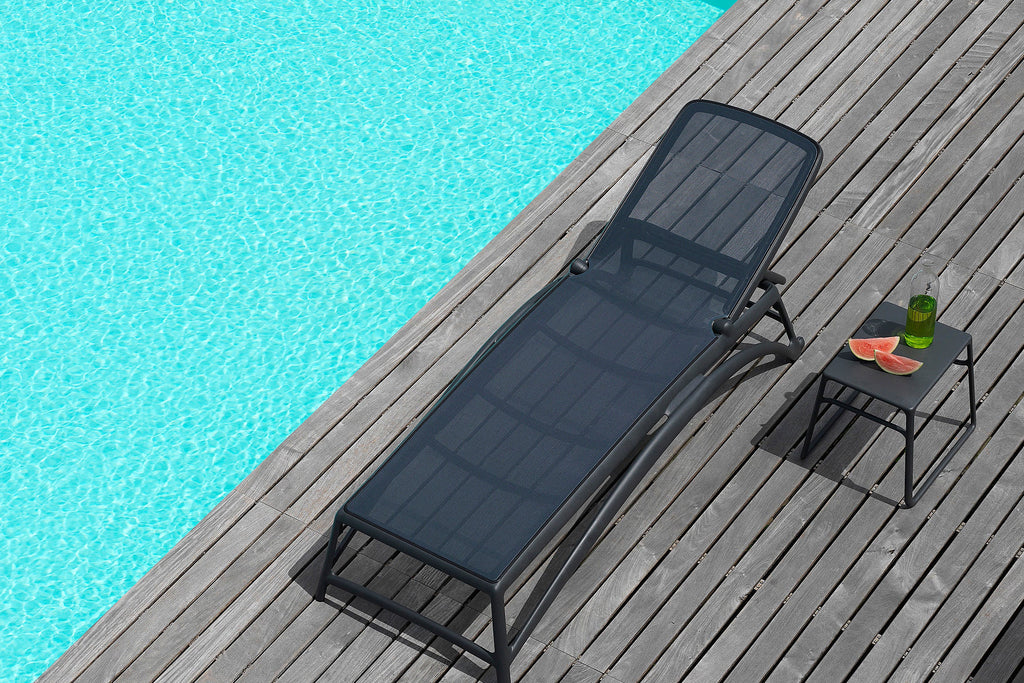
Lounge chairs focus on reclining comfort with adjustable backrests and cushions for poolside use or casual entertaining. These often become focal points on a deck or patio. You'll find them in aluminium, weather-resistant wicker or teak variants that bring warmth. Outdoor dining chairs maintain a comfortable yet upright posture, purpose-built to support meals and gatherings, and range from lightweight aluminium to woven wicker or solid teak.
Slatted timber chairs bring a classic coastal silhouette and pair well circled around a fire pit or lined up on a verandah. Zero-gravity chairs adjust to distribute weight evenly and combine the features of a patio chair and a hammock, with sturdy frames and durable fabric that wipes down easily.
Outdoor Dining Setting Essentials
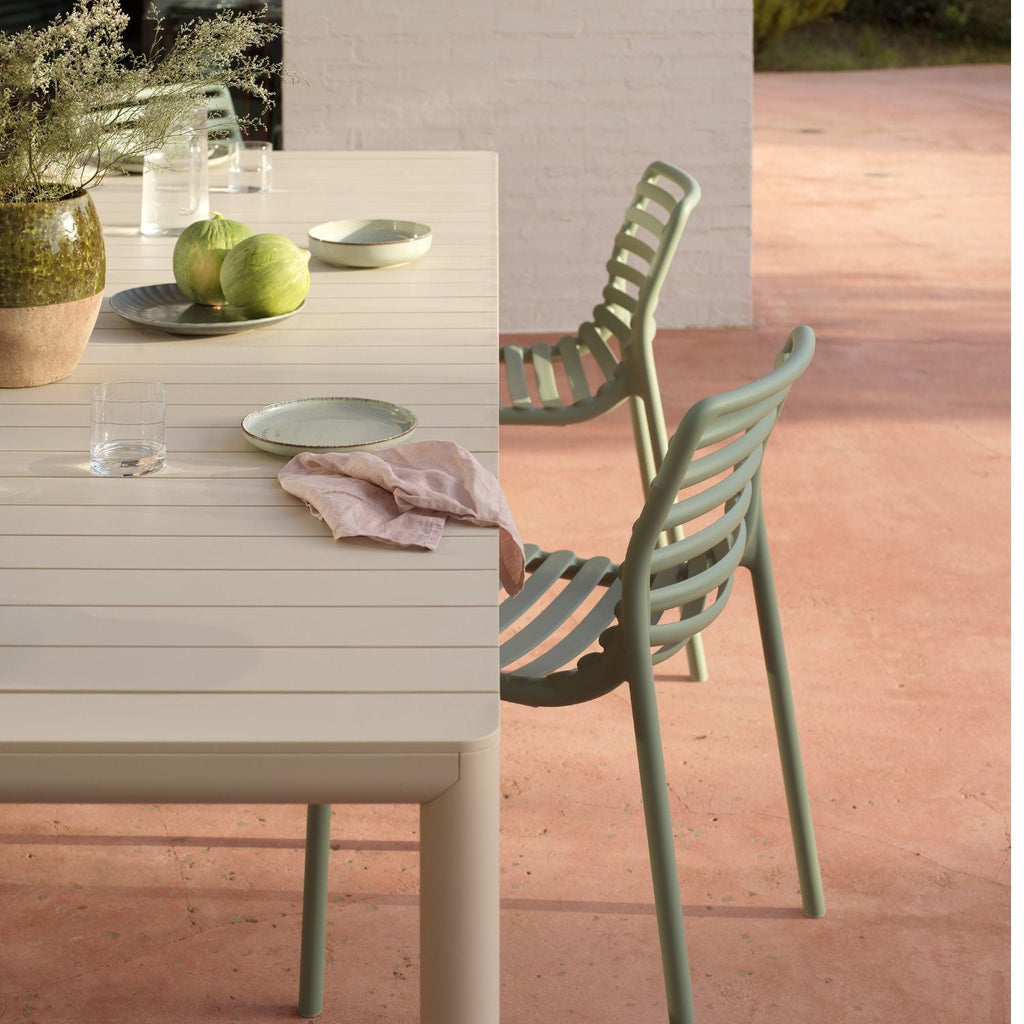
Alfresco dining needs tables sized larger than you might expect. Extra surface accommodates platters or shared dishes in the middle and proves useful for both family dinners and weekend hosting. Tables paired with the right outdoor seating create the full experience, whether you opt for matching dining chairs or mix in bench seats and stools down one side for versatility.
Easy-clean fabrics and durable fills in cushioned seating keep furniture looking fresh. Removable covers speed up cleaning. Your dining area positioned near a lounge space makes smooth transitions from dinner to evening drinks without leaving the outdoors.
Sofas and Lounge Seating Options
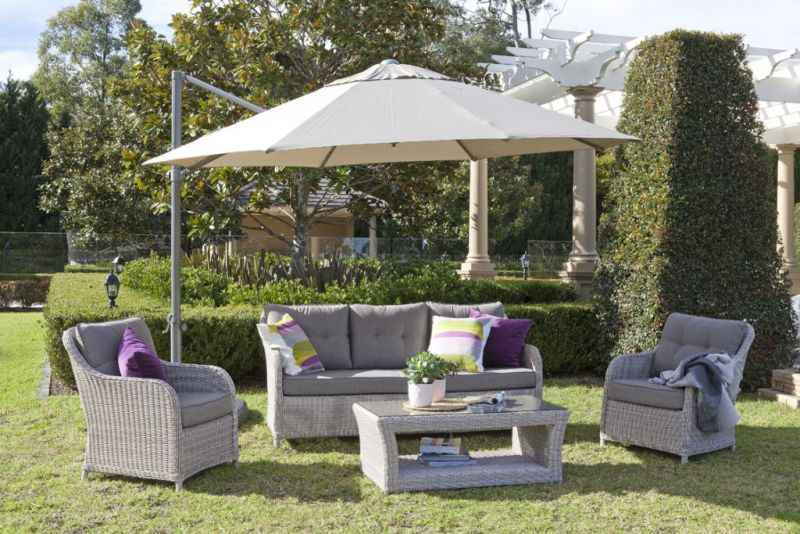
Outdoor lounge settings need you to think about durability, storage and comfort. Weather-resistant materials like rust-free aluminium or teak frames withstand the elements, and deep seating with thick cushioning approaches indoor sofa comfort. Some outdoor sofas offer under-seat storage, a useful feature for cushions and throws between uses.
Australian conditions need materials built to last, including powder-coated aluminium, resin wicker and hardwood. Cushions need water-repellent covers whilst fabrics need UV protection. Compact 2-seaters suit intimate spaces, whereas modular outdoor lounges seat larger groups.
Modular vs Fixed Furniture Sets
Modular furniture has separate pieces you can arrange to suit your patio, balcony or available area. Unlike traditional sets fixed in design, modular outdoor seating offers flexibility for those who rearrange with the seasons or the occasion. You can add or remove sections depending on guest numbers or available space, and the flexibility to change layout and chaise position when moving homes carries the investment forward.
Coffee Tables and Side Tables
Coffee tables work as strong complements to outdoor living areas and combine function with visual presence. They give convenient surfaces for drinks, books and platters whilst grounding a seating arrangement. Built to resist weather, quality tables last for decades in good condition.
Side tables sit at the end of furniture and keep drinks, snacks and other items close at hand. They serve as supporting pieces rather than focal points and often feature extra shelves or folding mechanisms for convenience.
Materials That Last: From Teak to Aluminium
Teak Outdoor Setting: Benefits and Care
Material choice determines how long the furniture lasts. Teak stands out for exceptional longevity. Well-maintained teak can serve for decades, and its durability stems from a dense grain structure and high natural oil content, which creates a protective barrier against moisture and prevents warping, cracking and decay.
Teak's natural oils also repel pests that damage timber. The wood exhibits natural resistance to rot and mildew. Left untreated, teak develops a silvery-grey patina as UV light breaks down surface tannins. This weathering is cosmetic and doesn't compromise structural integrity.
Maintenance is straightforward. Clean with warm, soapy water and a soft brush, scrubbing along the grain. Avoid pressure washers on high settings as they can pit the surface. Apply specialist teak protector once or twice a year to retain the honey-brown hue, or let the timber silver naturally. FSC-certified teak provides responsibly sourced timber.
Aluminium and Metal Options
Aluminium delivers lightweight portability without sacrificing durability. It resists rust, especially when powder-coated. You can rearrange aluminium pieces with ease, though this lightness becomes a consideration in windy locations where stability matters. Steel offers superior strength and weight but requires proper coating to prevent rust in damp climates.
Cast iron and wrought iron provide traditional looks with ornate designs, yet their weight makes repositioning difficult. Metal furniture absorbs temperature extremes: it warms in summer sun and cools quickly at night. Cushions or sling seats address the comfort side.
Wicker and Rattan Choices
Rattan is a material whilst wicker describes the weaving technique. Natural rattan lasts well in sheltered positions but deteriorates with prolonged moisture and UV exposure. For fully outdoor use, synthetic wicker made from HDPE or PE resin is the sounder choice: it withstands sun, rain and humidity without fading or degrading, and it keeps the woven look intact.
Polymer and Plastic Alternatives
Polypropylene offers waterproof properties and strong weather resistance. It won't scratch, stain or dent easily and maintains its appearance over extended outdoor use. The material is recyclable at end of life.
High-density polyethylene (HDPE) furniture, often made from recycled plastic, provides genuine durability. Marine-grade polymer resists swelling, rot and the effects of humidity or sunlight. These materials need only occasional wiping with mild soap, unlike timber or metal's more involved upkeep.
Finishing Touches for Your Outdoor Space
Cushions and Outdoor Textiles
Fabrics built for outdoor exposure perform differently than indoor textiles. Solution-dyed acrylic and olefin offer superior durability. Acrylic provides a soft feel and resists fading, mould and mildew. Olefin features good moisture repellency and low absorption rates that prevent waterlogging.
Foam matters as much as fabric. Quick-dry open-cell foam allows moisture to pass through and keeps your outdoor seating dry and comfortable. Closed-cell foam holds water, grows heavy and breeds mould — the foam type inside the cushion matters more than the cover over it.
Lighting Solutions
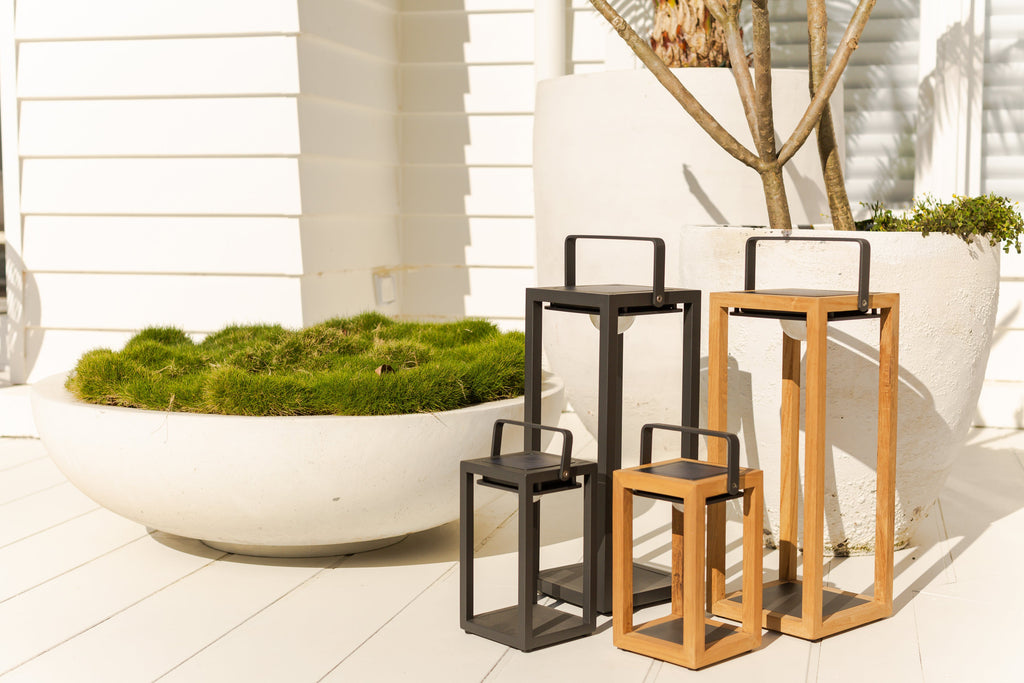
Balance four priorities when you light outdoor spaces: safety, atmosphere, entertaining and security. Festoon lighting creates a general glow that sets the mood. Warm, softer options work better than stark white floodlights for evening entertaining. Portable lights, lanterns and battery-operated candles suit lounge areas. Pathway and step lighting guides guests through your outdoor dining setting after dark.
Outdoor Rugs and Floor Coverings
Polypropylene rugs withstand outdoor conditions through flat-woven construction. These rugs are water-resistant rather than waterproof: they absorb less moisture and dry faster than indoor alternatives. UV-stabilised materials resist fading even in direct sunlight.
Shade Solutions: Umbrellas and Pergolas
Cantilever umbrellas deliver flexibility without permanent installation. Pergolas require permits and professional installation but provide permanent architectural shade. Shade sails offer wide coverage for larger areas and suit the scale of Australian outdoor spaces well.
Storage Options for Outdoor Items
Weather-resistant storage boxes protect cushions and accessories using materials like aluminium, teak and synthetic wicker. Storage benches combine outdoor seating with hidden compartments. Deck boxes suit cushions and throws.
Maintaining Your Outdoor Seating
Seasonal Care and Cleaning
Regular upkeep extends furniture life without taking much time. A soft cloth removes leaves, bird droppings and debris before they stain or attract mould with weekly attention. Warm water and mild, pH-neutral soap keep surfaces fresh with fortnightly washing. A soft brush or sponge works well. Rinse thoroughly and dry the furniture, and avoid abrasive cleaners or high-pressure hoses that damage finishes.
Annual deep cleans deserve products matched to your material type. Teak protectant restores natural sheen. Wax-based protectors on aluminium or powder-coated finishes reduce surface wear and slow oxidation. Vacuum cushions regularly and spot-clean as needed. Where covers are removable, wash them according to manufacturer guidelines.
Protecting Furniture from Weather
Lightweight or foldable pieces should move into sheds, garages or sheltered areas during prolonged wet weather. If outdoor storage remains your only option, lift furniture with risers or pallets. This prevents water pooling underneath and seeping into legs or joints.
Clean and dry every surface before covering or storing. Protective timber oil or sealant shields wood from moisture damage, especially on a teak outdoor setting. Cushions must be fully dry before storage in breathable bags to prevent mould and mildew. Avoid sealed plastic sheeting, which traps moisture against the furniture.
When to Replace Cushions and Fabrics
Replace cushions when fabric appears significantly faded, stained or threadbare, or when black or green mould with musty smells won't wash out. Foam that has lost its bounce, feels flat or stays damp longer than it used to signals internal deterioration. Broken or sticky zips and distorted cushion shapes also indicate it's time.
Making the most of it
Your outdoor seating shapes how you use your garden, deck or patio every day. The right combination of durable materials and thoughtful layout turns the area into a genuine living space rather than a furniture display.
You might select a classic teak outdoor setting, versatile modular pieces or a compact two-seater for a balcony. Focus on how you'll actually use the space. Quality materials matched to your climate and exposure, paired with regular maintenance, ensure the furniture withstands Australian conditions. Build the zones, choose the outdoor seating that suits each one, add the finishing touches, and the result is an outdoor area you'll use far more than you expected.
FAQs
Q1. How much space should I leave around my outdoor dining table? Allow at least 90 cm from the table edge to the nearest wall or object. This provides adequate room to push chairs out and move freely around the table. For overall flow between different furniture pieces, maintain gaps of roughly 100 cm to prevent a cluttered feeling and ensure comfortable movement.
Q2. What's the difference between rattan and wicker outdoor furniture? Rattan is the actual material — a tropical vine harvested for furniture construction — whilst wicker refers to the weaving technique used to create the furniture. Natural rattan lasts well in sheltered positions, but synthetic versions made from HDPE or PE resin offer far superior weather resistance and won't fade or degrade from sun and rain exposure.
Q3. How long does teak outdoor furniture typically last? Well-maintained teak furniture serves for decades. This longevity comes from teak's dense grain structure and high natural oil content, which creates a protective barrier against moisture, prevents warping and cracking, and naturally repels pests that damage timber.
Q4. When should I replace my outdoor cushions? Replace cushions when the fabric appears significantly faded, develops persistent mould or musty smells, or feels threadbare. Foam that has lost its bounce, stays damp longer than it used to, or feels flat signals internal deterioration. Distorted cushion shapes and broken zips also indicate it's time for new cushions.
Q5. What's the best material for outdoor furniture in coastal areas? For coastal locations, marine-grade stainless steel (grade 316) offers the strongest corrosion resistance against salt spray. Powder-coated aluminium, synthetic wicker made from polyethylene, and teak are all strong choices as they resist moisture and won't corrode in salty environments. Check all fixings and hardware, not just the frame, as standard steel screws rust from the inside out in salt air.