





Recently viewed


How to Choose the Right Outdoor White Lounge Without the Common Mistakes
Your outdoor white lounge can lift your patio's aesthetic instantly and create a striking focal point. The space appears larger and more open. The bright hue offers an airy feel that reshapes any outdoor area into a practical, comfortable setting.
Choosing the right outdoor white lounge chair requires more than just picking an attractive design. Many homeowners make mistakes when selecting chaise lounge options or white lounge chairs. They overlook critical factors like weather resistance and durability. Maintenance needs get ignored too.
This piece will help you explore different lounge types and select durable materials. You'll avoid common pitfalls, prioritise key features, and maintain your furniture's clean appearance.
Understanding Different Types of Outdoor White Lounge Chairs
Three distinct categories dominate the white lounge market. Each offers specific benefits for different relaxation styles and space configurations.
Traditional Lounge Chairs
Traditional outdoor lounge chairs draw on established construction methods and incorporate modern durability standards. These designs range from European-inspired forms to generous porch seating with enduring character. Homeowners who value well-built products with structural integrity find the aesthetic appealing.
Quality construction sets traditional white lounge chairs apart from mass-produced alternatives. Manufacturers employ materials including hardwood timber, aluminium, steel and wrought iron to create pieces built to last. The detailed designs have outdoor-grade cushions that combine proven looks with contemporary performance requirements.
Traditional styles work especially well when you have cohesive outdoor dining and lounge areas to create. The designs provide generous proportions focused on comfort, making them suitable for extended relaxation sessions.
Outdoor White Chaise Lounge Options
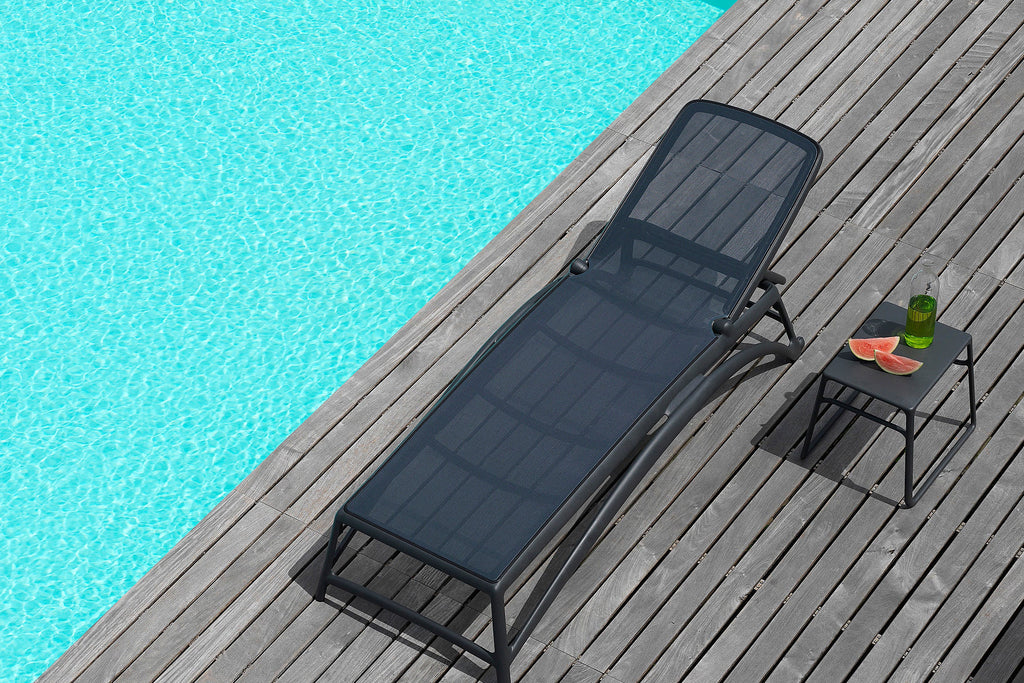
Chaise lounges have elongated frames that support your legs fully. This makes them ideal for sunbathing, reading or extended relaxation. The long seat allows you to stretch out completely. Adjustable backrests change to various angles for finding your preferred position.
Multiple reclining positions improve versatility. Some models provide six different angles, letting you customise the chair for different activities throughout the day. Headrests add comfort for those planning longer lounging sessions.
Many buyers find portability a deciding factor. Lightweight options weighing under 9 kg include wheels for easy repositioning around your pool area or patio. You can move these chairs to follow the sun or create shade as needed.
White resin chaise lounges stay clean and bright-looking longer than darker plastics, which tend to fade over time. Stackable designs solve storage challenges. You can purchase several chairs and stack them for a smaller storage footprint during off-seasons.
Frame materials affect both durability and style. Teak frames provide enduring appeal, while aluminium gives a lightweight, modern feel. Wicker construction delivers a versatile aesthetic that works across a range of outdoor design schemes.
Chairs and a Half for Extra Space
Chairs and a half provide wider seating than traditional lounge chairs. This creates a comfortable option for curling up with a book or lounging in the sun. The extra-deep seating space accommodates different body types and relaxation positions.
Standard dimensions for these oversized pieces measure about 101 cm wide, 109 cm deep and 82 cm high. This spacious design accommodates movement and shifting positions without feeling constrained.
Enhanced features distinguish chairs and a half from standard lounge chairs. Built-in cupholders keep beverages within reach, while integrated pockets store books, phones or sunglasses. Some models include built-in footrests, eliminating the need for separate ottomans.
Construction quality matters for these larger pieces. High-resiliency polyfoam cores provide substantial comfort and support. Quick-drying foam prevents moisture retention. Marine-grade hardware ensures longevity in outdoor conditions. Teak frames combine sustainability with durability for buyers conscious of environmental impact.
Material Selection for Outdoor Durability
Material quality determines whether your white lounge survives multiple seasons or requires premature replacement. The fabrics and frames you select affect resistance to sun damage, moisture problems and everyday wear.
Weather-Resistant Fabrics
Solution-dyed acrylic fabrics lock colour into each fibre during manufacturing rather than applying it to the surface. This provides exceptional fade resistance even under direct sunlight. The colour stays strong over time regardless of environmental conditions. These fabrics withstand extended use and resist fading, stains, mould and mildew while remaining easy to clean.
Olefin, made from polypropylene, combines softness with impressive strength. This solution-dyed synthetic material repels moisture and resists staining, abrasion and UV damage. Olefin proves especially effective for upholstered outdoor seating that sees frequent use. The fabric is woven to be water-repellent without chemical treatments.
Polyester fabrics offer strong resistance to fading, moisture and stretching when solution-dyed. They dry quickly after summer showers, so your outdoor plans can continue without interruption. Solution-dyed versions perform better than standard polyester and resist mildew and UV damage.
Quick-dry foam features a reticulated structure where water passes through instead of pooling inside. The connected pores allow air movement. Cushions dry in hours rather than days after rain. Standard foam traps water due to partially closed cells, which slows drying time and can lead to mildew.
Frame Materials That Last
Aluminium forms a thin oxide film that shields it from corrosion. Rain and salty air don't cause rust. You can leave aluminium lounge chairs outside year-round with minimal upkeep. The material weighs about one-third as much as steel and is easy to move around your patio. Aluminium doesn't retain heat and remains cool to touch even during hot, sunny days.
Steel has high tensile strength and handles significant weight without bending. Manufacturers add zinc coating, powder coat or paint to block moisture and oxygen. Coated steel maintains structural integrity over time, though you should inspect for chips or scratches that could allow rust. Cast aluminium offers greater rigidity and weight than standard aluminium tubing through thicker sections. Powder-coated finishes add colour depth and scratch resistance.
Teak wood contains high oil content and dense grain. It can withstand the elements with minimal upkeep. Eucalyptus serves as a solid hardwood that weathers well and ranks among the longest-lasting materials for outdoor furniture. Resin wicker is woven over aluminium frames and brings visual warmth with none of the fragility of natural wicker. The synthetic fibre resists fading, moisture and mildew while holding its textural weave through extended outdoor use.
UV-Resistant Upholstery Options
UV resistance ratings indicate how well fabrics resist fading and breakdown from sun exposure. Printed outdoor fabric offers a lower range of UV resistance, while woven polyester and olefin provide a moderate level. Acrylic outdoor fabric delivers the highest UV resistance, making it well suited for furniture receiving direct Australian sunlight.
Testing involves exposing fabric samples to intense artificial UV light that simulates prolonged outdoor sun exposure. Fabrics rated at higher light hours show low fade risk and last well in harsh outdoor conditions.
Common Mistakes When Buying Outdoor White Lounge Furniture
Purchasing decisions become complicated when aesthetic appeal clouds practical judgement. Many homeowners regret their outdoor furniture choices because they selected poor materials and furniture that lacked weather resistance.
Ignoring Weather Protection Features
Your local climate dictates which materials and protective features your white lounge needs to survive. Coastal areas demand furniture that resists corrosion from salt air, and rain-prone regions require rust-proof options. Humidity and moisture exposure destroy pieces that lack proper weather protection quickly.
UV protection and water repellency are essential features for poolside or garden furniture. They prevent fading and ensure rust-proof, fade-resistant performance. Australian conditions stress materials uniquely through humidity, salty air, heat cycles and intense UV exposure. You'll face corrosion, cracking, warping or accelerated fading if you buy without considering your environment.
Choosing Style Over Durability
Low-quality outdoor furniture often fades, cracks or rusts within months. Plastic outdoor furniture has a limited lifespan, whereas metal patio furniture is recognised for its durability and can perform far longer. Flimsy materials and poor-quality finishes show wear quickly and often chip, fade or break down within a season or two.
Frames that rust, fabrics that fade and cushions that flatten quickly result in frequent replacements. A focus on appearance rather than construction quality means furniture that needs replacing sooner. Choosing well-built outdoor furniture from the start means fewer replacements and better long-term performance.
Overlooking Maintenance Requirements
Different materials demand varying care levels. Natural wood may need oiling regularly, while metal might require anti-rust treatment. Many buyers don't realise maintenance demands until after purchase. White furniture shows dirt and dust more visibly and requires more frequent cleaning. You must wash it straight away once stained to prevent permanent marks.
Skipping protection routines accelerates furniture ageing. The sun causes the biggest fading problems, and standing water shortens cushion and finish lifespan. Furniture without covers requires consistent upkeep including cleaning and re-treating surfaces.
Misjudging Size and Space Needs
Furniture buyers overlook the importance of comparing furniture size to available space frequently. Oversized furniture dominates small areas and makes them feel cramped and disorganised. Undersized pieces create awkward gaps and sparse appearances.
You should maintain at least 36 inches of clearance for walkways around furniture. Allow 24 to 30 inches between chairs to ensure comfortable seating. Ensure at least 18 inches between seating and walls. Deep-seat options running 34 to 42 inches deep require more room than conventional 28 to 30-inch depths. Cramped conditions that block movement and restrict access result when you fail to account for chair pull-out space, door swing and circulation paths.
Essential Features to Prioritise
Specific features separate white lounge chairs that last from those requiring replacement within seasons. Focus your evaluation on these performance indicators rather than aesthetic details alone.
Cushion Quality and Removability
High-density foam offers strong support and resilience. The material maintains its shape even after prolonged use without collapsing. Dense memory foam provides exceptional comfort, though it requires time under direct sun to dry if soaked. Quick-dry foam proves ideal for pool areas and rain-prone locations, as its mildew-resistant composition is well suited to marine and outdoor upholstery.
Removable cushion covers simplify maintenance considerably. You can unzip and wash them in your machine, keeping your white lounge chair clean without professional cleaning services. Washable covers allow freshening up whenever needed. Cushions with built-in rain-repellent covers keep leaves, pollen and bird droppings from marking surfaces.
Drainage and Water Resistance
Water-repellent coatings on cushions enable easy cleaning, though they may feel slightly tacky when new. Weather-resistant fabrics resist rot and mildew while protecting against moisture damage. Drainage ports paired with flow-channel designs allow efficient water dispersal and easy repositioning without complex valves.
Marine-grade fabric cushions dry fast and resist mildew and mould formation. Performance fabrics withstand unpredictable summer storms without deteriorating.
Stability and Weight Distribution
Weight capacity indicates structural integrity. Quality white chaise lounge options support substantial weight without concern. Frame construction, joinery quality and cross-bracing determine load distribution across legs and base. High-density foam maintains shape under load, while webbing or support systems distribute weight across multiple points.
Easy-Clean Surface Treatments
HDPE plastic withstands pressure-washing and cleans with a hose or damp cloth. Powder-coated aluminium frames resist rust without special maintenance. Use mild detergent with a soft bristle brush for routine care. Stain-resistant fabrics protect comfort from everyday use and allow relaxation without worrying about immediate damage.
Maintenance Tips to Keep Your Outdoor White Lounge Looking Its Best
Regular attention prevents the yellowing and greying that affects many white lounge chairs over time. Your maintenance approach should combine quick daily practices with deeper periodic cleaning.
Daily Care Routines
Dust your white lounge chair before you cover or store it, especially if you live near busy roads or construction areas. A compact outdoor blower removes particles without spreading them around. A cotton rag that's slightly damp works well for quick wipe-downs, or you can use a gentle cleaner like liquid dish soap diluted in water.
Use a handheld vacuum with a roller attachment on outdoor cushions. This lifts debris without rubbing dyes into the upholstery and digs out dried stains while reaching between crevices. Follow with a damp rag to loosen residue that's stuck on.
Flip and rotate cushions weekly to prevent uneven wear. Stand wet cushions upright rather than leaving them flat. This allows proper airflow during drying. Running a ceiling fan during humid days keeps cushions dry and prevents mildew formation.
Stain Removal Techniques
Act fast when spills occur. Dab oil stains with paper towel straight away, then sprinkle baking soda to absorb the oil. After 20 minutes, shake or vacuum off the baking soda and repeat as needed.
For machine-washable cushion covers, a laundry whitening powder used with detergent before loading items works well. You can also apply a stain removal liquid directly onto marks and wait 5 to 10 minutes before washing.
White vinegar diluted with three parts warm water tackles most stains. Add a squirt of gentle liquid soap for stubborn marks, leave for 20 minutes, then scrub with a soft brush. Mix one cup bleach with a quarter cup mild detergent and one gallon water for mildew stains on non-removable covers, spray on, wait 15 minutes, scrub with a soft-bristle brush, and rinse.
Spray fabric protector after cleaning and drying cushions to prevent future stains and fading. Never spray protective coatings on dirty cushions. You'll seal in grime.
Seasonal Storage Solutions
Clean your white chaise lounge before winter storage and remove all dirt, pollen, and food residue. Dry furniture completely. Storing damp pieces develops mould, mildew, and freezing damage. Store cushions in airtight storage totes or vacuum-sealed bags within your home to prevent mildew and discolouration.
Bring furniture indoors when possible. Garages, sheds, or covered areas work well for storing frames. Stack chairs to save space and keep items arranged. Add moisture absorbers or a dehumidifier in storage areas to prevent mould growth.
Use breathable, water-resistant covers rather than airtight options if outdoor storage is necessary. Breathability prevents mould formation. Keep furniture off the ground to prevent metal parts from freezing into surfaces and reduce moisture absorption.
Making the Right Choice for Your Outdoor White Lounge
Your outdoor white lounge is a decision worth getting right from the start. Rather than choosing based on appearance alone, you now have the knowledge to select furniture that balances style with durability. Focus on weather-resistant materials and proper sizing for your space, while considering cushion quality and drainage systems.
Regular maintenance keeps your white lounge looking clean and performing well across seasons. Prioritise quality construction and appropriate care routines, and you'll avoid the regret that affects many outdoor furniture buyers. Make the right choice now, and your outdoor space will remain a functional, comfortable setting for a long time to come.
FAQs
Q1. How long does outdoor white lounge furniture typically last?
The lifespan varies significantly by material. Plastic outdoor furniture has a shorter lifespan, while quality metal patio furniture performs far longer. Well-built pieces with weather-resistant materials and proper maintenance can serve you for an extended period, whereas low-quality options may fade, crack, or rust within months.
Q2. What materials are best for white lounge chairs in humid or coastal areas?
For humid and coastal environments, choose aluminium frames that resist corrosion from salt air, or resin wicker woven over aluminium. For fabrics, solution-dyed acrylic offers exceptional fade and mildew resistance, while marine-grade fabrics dry quickly and resist mould formation in moisture-prone conditions.