





Recently viewed


Waterproof Outdoor Lounge: What to Look For
A waterproof outdoor lounge is what most people search for when they want seating that handles rain without being carried inside every time the sky turns. This guide covers the lounge formats available, the materials and drainage design that make a waterproof outdoor lounge work, and how to size one for your space.
The Formats Worth Knowing
Each solves a different problem, so settle this before comparing materials.
Modular lounges separate into sections you rearrange into a straight run, an L or a U. They suit spaces that change use, and you can start with two or three pieces and add later. Compare the Outdoor Modular Sofas range.
Corner lounges give you the most seating for the floor area by working the edges of a space. They define a zone without needing walls or dividers, which is useful on a large open deck.
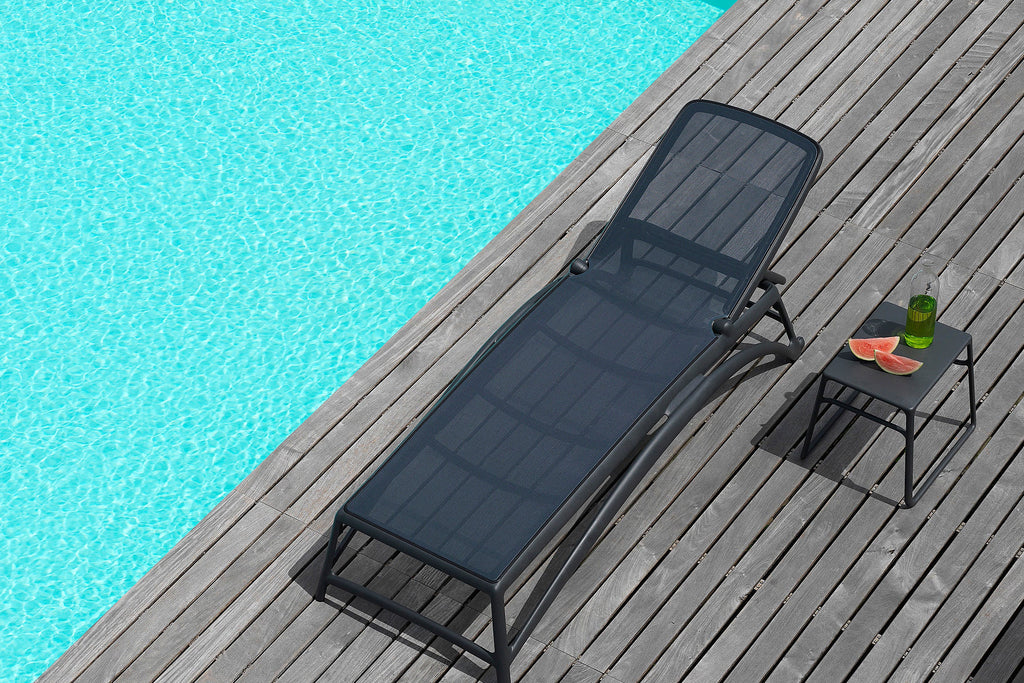
Chaise lounges support the legs and usually have adjustable backs, from upright to flat. The poolside format. See the Sun Lounges range.
Individual lounge chairs go anywhere and move as needed, which suits small spaces or adding seats to furniture you already own. Browse Outdoor Armchairs.
Complete sets arrive coordinated, typically a two or three seater with matching chairs and a table. Simplest route to a finished setting. See Outdoor Lounges.
A common approach is starting with a set and adding individual pieces later, which spreads the decision rather than committing to a full layout upfront.
What Water Resistance Actually Means Here
The useful distinction, since the terms get used loosely.
Water-repellent fabric sheds surface moisture and dries after rain. It breathes, which matters because trapped damp is what grows mould. The finish wears down with use and washing, and when water stops beading it needs replacing rather than re-treating.
Reticulated foam is the specification that does the real work. Its open cell structure lets water pass straight through and air move, so the core dries instead of holding damp. Solid foam holds water and grows mould from the inside out.
Drainage matters more than sealing on frames. Water needs somewhere to go — weep holes, drainage channels, open seat bases — rather than pooling inside a frame tube or under a cushion.
Nothing outdoors is sealed against sustained exposure. What good pieces do is recover: they shed, drain and dry rather than absorbing and degrading.
Frames and Materials
Powder-coated aluminium is the reliable frame. Aluminium does not rust, and powder-coating applies dry powder electrostatically before heat-curing it into a bonded finish, which is tougher than paint and does not chip at the joints. It stays light enough to reposition. The default for coastal and fully exposed positions. See Outdoor Aluminium Sofas.
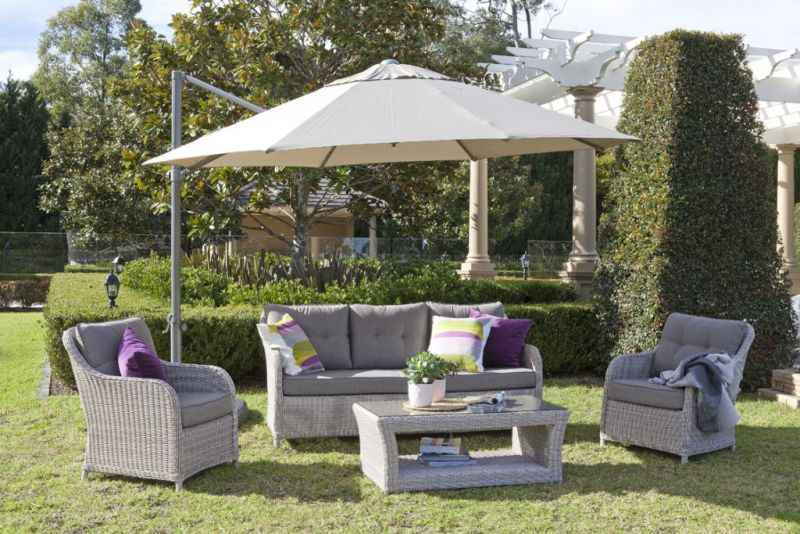
Synthetic wicker over an aluminium subframe uses HDPE weave with UV inhibitors mixed through the material rather than applied to it. It sheds water rather than absorbing it, where natural rattan unravels and cracks once it gets wet repeatedly. Matte finishes generally indicate a higher-grade weave than glossy ones, and they do not stick to skin in heat. Compare Outdoor Resin Sofas.
Rope and cord over aluminium drains fastest of any seating surface and stays comfortable across a wide temperature range.
Fabrics to look for: solution-dyed acrylic and Olefin both carry pigment through the fibre rather than printing it on the surface, so they hold colour under sustained UV far better than surface-dyed alternatives.
The Construction Details That Decide It
Materials get compared. Construction is what fails.
Fixings. Stainless or coated fasteners throughout. Untreated steel inside a frame corrodes and bleeds rust down the piece, and it goes long before the frame shows wear.
Joints. Fully welded joints hold up where bolted ones loosen and admit water at the connection points.
Weep holes and drainage channels positioned where water actually collects, so it leaves the frame rather than sitting in it.
Raised bases that keep the frame off wet ground, which helps airflow underneath and matters most in coastal and shaded positions.
Cushion attachment. Ties or a fitted base stop pads shifting, and removable covers are what let you deal with marks properly.
Under-Seat Storage
Storage built into a lounge or ottoman solves the cushion problem, since getting pads under cover after use is what extends their life.
Look for overlapping or sealed lids that keep rain out of the compartment.
Ventilation inside the compartment matters as much as keeping water out, since a sealed box holds humidity and cushions come out damp.
Storage ottomans work twice over on balconies and small patios, giving you a footrest, extra seating and somewhere for the pads to live. Compare Outdoor Ottomans & Footstools.
Sizing and Clearances
Allow 60 to 80 cm of walking space around seating so people can move without turning sideways.
Keep main walkways at 90 cm minimum, and 120 cm where people pass frequently.
Leave 30 to 45 cm between seats and a coffee table, close enough to reach and far enough to get past.
A courtyard or balcony around 3 by 3 m suits a two-seater modular lounge and a coffee table.
A deck around 4 by 4 m takes an L-shaped modular lounge, or a six to eight seat dining setting with a 200 to 220 cm table.
Mark the footprint on the ground with tape before ordering. It is almost always larger than it looks on a product page.
Matching It to Your Conditions
Coastal. Powder-coated aluminium frames and stainless or coated fixings. Rinse salt off regularly, since it accumulates at the fixings before it shows anywhere else.
High rainfall or humidity. Reticulated foam and good drainage matter more than anything else. Airflow around and under the lounge does more against mould than cover does.
Full sun. UV-stabilised weave and solution-dyed fabric, with shade over the area if the position takes the full afternoon.
Windy or exposed. Weight and low profiles. Light pieces on a rooftop or high balcony will move, and an empty seat moves first.
Microclimate matters within a single property. A north-facing balcony and a covered alfresco on the same house need different answers.
Care and Storage
Wipe frames and hose weave down with mild soapy water. Skip harsh cleaning products, which strip protective finishes.
Brush debris off before rain, since wet leaves left sitting leave tannin marks.
Stand cushions on edge after heavy rain so both faces and the core can drain and air.
Store pads dry through extended wet stretches and over winter, off the ground rather than stacked on concrete.
Check fixings at the start of summer, and rinse salt off monthly near the coast.
Use fitted covers through storm season, and get everything dry before covering. See Outdoor Lounge Covers.
Common Questions
Can a waterproof outdoor lounge stay outside permanently?
The frame, yes, with corrosion-resistant materials and fixings. Cushions handle rain and dry out if the foam is reticulated, but they last considerably longer stored dry through extended wet periods.
What is the difference between water-repellent and waterproof?
Water-repellent fabric sheds moisture and dries, and it breathes. Fully sealed material blocks water but traps humidity underneath. Outdoor cushions are built to repel and dry, which is the right design for the job.
Which material suits coastal properties?
Powder-coated aluminium, on its own or as the subframe under synthetic weave or rope. The fixings matter as much as the frame.
How much space do I need?
60 to 80 cm of clearance around seating and 30 to 45 cm to a coffee table. A 3 by 3 m area suits a two-seater and table; 4 by 4 m takes an L-shaped modular.
Modular or a complete set?
Sets arrive coordinated and finished. Modular adapts to odd shapes and lets you expand later. If the space is a standard rectangle, a set is simpler; if it has corners or changes use, modular earns its flexibility.
Working Out Your Choice
Start with the format, since modular, corner, chaise and individual chairs solve different problems. Check the four specifications that matter — frame, fixings, foam and fabric — rather than comparing descriptions. Match the material to your actual conditions, with aluminium the safe default for coastal and exposed positions. Then measure the clearances and mark the footprint before ordering, and work out where the cushions will live when they are not on the furniture.
Visit a Showroom
Seat depth, cushion firmness and how a weave feels up close all decide comfort, and none of them come through on screen.
Outdoor Furniture Sunshine Coast