





Recently viewed


White cushions outdoors create an immediate visual lift. They brighten outdoor seating, reflect light in shaded areas, and make patios, decks, and courtyards feel open and clean. Against dark-framed furniture, timber, and garden greenery, white cushions stand out without clashing — they work as a neutral that pairs with virtually any outdoor setting.
The practical side of white cushions outdoors comes down to material. Indoor fabric in white would yellow, stain, and deteriorate within weeks of outdoor exposure. Outdoor-rated white cushions are a different product entirely — built with UV-stabilised, water-repellent fabric designed to hold their colour and shed moisture in Australian conditions.
This guide covers what makes a cushion outdoor-rated, how to choose between white and off-white, where white cushions work best on different furniture types, and how to keep them looking bright with minimal effort.
What Makes a Cushion Outdoor-Rated
Not every cushion labelled "outdoor" performs the same way. For white options especially, the fabric, fill, and construction quality determine whether the cushion holds up or falls apart after a season.
Fabric Requirements
Outdoor cushion fabric needs two things to keep white looking white: UV stabilisation and water repellency.
UV stabilisation prevents yellowing and colour degradation from sun exposure. White fabric without UV treatment turns dull or yellow within weeks of direct Australian sun. UV-stabilised fabric holds its brightness significantly longer — this is the single most important spec for white outdoor cushions.
Water-repellent treatment causes moisture to bead and run off the surface rather than soaking in. This prevents staining from rain, splashes, drinks, and food. On white fabric, stain resistance is more visible and more critical than on darker colours — every mark shows.
Solution-dyed acrylic is one of the strongest performing outdoor cushion fabrics. The colour is embedded into the fibre during manufacturing rather than applied to the surface, which means it resists fading at a deeper level than surface-dyed alternatives. For white cushions, this translates to a fabric that stays consistently bright rather than developing uneven yellowing over time.
Fill and Drainage
The fill inside an outdoor cushion matters as much as the fabric covering it. Standard indoor foam absorbs water and holds it — leading to mould, mildew, and a heavy, damp cushion that takes days to dry.
Outdoor cushion fill should drain quickly. Quick-dry foam with drainage channels allows water to pass through and evaporate rather than pooling inside. Some outdoor cushions use open-cell foam or polyester fibre fill that dries within hours after rain.
For cushions in white that sit outdoors regularly, quick-dry fill is worth prioritising. Mould and mildew stains show more visibly on white than on darker colours — preventing moisture buildup inside the cushion eliminates the most common cause of discolouration.
Construction Quality
Check the stitching and seam quality on any outdoor cushion. Double-stitched seams with UV-resistant thread last longer than single-stitched alternatives. Zipped, removable covers let you take the cover off for washing — essential for light-coloured outdoor cushions that need more frequent cleaning than darker options.
Tie-on loops or non-slip backing keep cushions in place on outdoor dining chairs and armchairs, preventing them from sliding off or blowing away in wind.
Pure White vs Off-White Outdoors
The difference between pure white and off-white matters more outdoors than it does inside, because UV exposure affects each shade differently.
Pure white reflects the most light and creates the crispest contrast against dark outdoor furniture frames and surfaces. It makes outdoor seating look clean and bright. The trade-off is that pure white shows every mark — dust, pollen, water stains, food splashes — more visibly than any other colour. It also shows UV yellowing more noticeably if the fabric isn't properly stabilised.
Off-white (cream, ivory, or warm white) absorbs slightly more light and creates a softer, less stark appearance outdoors. It's more forgiving of minor surface marks and shows UV-related colour shift less obviously than pure white. Off-white pairs particularly well with warm-toned timber furniture and natural stone surfaces.
If your outdoor area is covered and you want maximum brightness, pure white works well. If the area is uncovered or gets heavy family use, off-white hides everyday wear better while still delivering the visual lift that white brings to outdoor seating.
Where White Outdoor Cushions Work Best
Sofa and Lounge Cushions
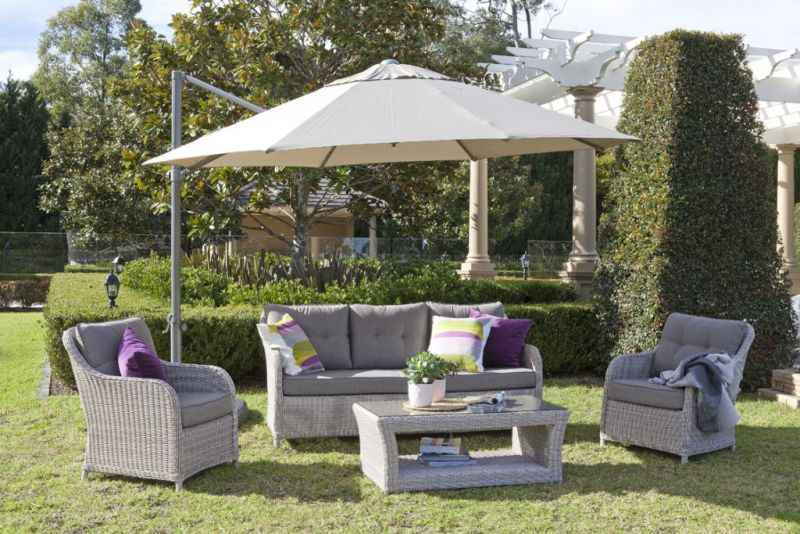
White cushions on an outdoor sofa or modular lounge create a bright, open seating area. They work especially well on dark-framed furniture — charcoal aluminium, dark wicker, or black powder-coated frames — where the contrast between cushion and frame defines the piece.
Sofa cushions are larger and more exposed than dining seat pads, so fabric quality matters more here. Choose cushions with removable, washable covers and quick-dry fill. For covered patios, white sofa cushions hold their colour well with basic care. For uncovered positions, have a storage plan for when the furniture isn't in use.
Dining Chair Seat Pads
White seat pads on outdoor dining chairs brighten a dining setting and create a consistent, clean look across the table. Tie-on pads that attach to the chair frame stay in place during meals and in wind.
Dining cushions face more food and drink contact than lounge cushions, so water-repellent fabric with stain resistance is especially important on white. Removable covers you can hose clean or machine wash make post-meal cleanup straightforward.
Armchair Cushions
A white cushion on an outdoor armchair — whether a wicker lounge chair, a timber armchair, or an aluminium frame — adds brightness to the seating without changing the chair's character. The cushion lifts the chair visually while the frame material sets the tone.
For armchairs in garden corners or beside a pool, white cushions connect the seating with surrounding light and greenery. Store or cover them when the chair isn't in use to keep the white fabric looking fresh.
Daybed and Sun Lounge Cushions
White cushions on a daybed or sun lounge create a clean, resort-style look. These are larger cushion surfaces with more fabric exposed to sun and weather, so UV stabilisation and water repellency are critical.
For daybeds and sun lounges in uncovered poolside positions, use cushions with fully sealed seams and quick-dry fill. Sunscreen, chlorine splash, and body oils are harder to remove from white fabric if they soak in — water-repellent treatment keeps these on the surface where they wipe off easily.
Keeping White Cushions Clean Outdoors
White outdoor cushions need more frequent surface cleaning than darker colours, but on the right fabric the process is fast.
Routine Cleaning
Wipe cushion surfaces down after use to prevent dust and pollen from building up. A damp cloth handles most surface marks. For a more thorough clean, remove the covers and hose them down or scrub lightly with mild soapy water and a soft brush. Let covers dry completely in the sun before putting them back on.
Avoid harsh chemical cleaners on outdoor cushion fabric. They can strip the UV treatment and water-repellent coating, which shortens the fabric's outdoor life.
Stain Removal
Water-repellent fabric gives you time — spills sit on the surface rather than soaking in immediately. Blot food and drink spills as soon as they happen with a clean, damp cloth. For stubborn marks, a mild soap solution and gentle scrubbing usually lifts the stain without damaging the fabric.
For sunscreen or oil-based marks, a small amount of dish soap applied directly to the stain before rinsing often works. Always test on an inconspicuous area first.
Storage and Covers
Storing white cushions when they're not in use is the most effective way to keep them looking bright long-term. A weatherproof storage box, an indoor shelf, or a bench seat with internal storage all work.
If removing cushions isn't practical, furniture covers protect cushions from rain, dust, bird droppings, and UV between uses. This is especially worthwhile for lighter colours, where surface marks are more visible than on darker fabrics.
Having a spare set of white cushion covers lets you rotate them — one set on the furniture, one freshly washed and ready to swap in.
What to Check Before Buying
UV stabilisation — This is non-negotiable for white outdoor cushions. Without it, white fabric yellows quickly in Australian sun. Confirm the fabric is rated for outdoor UV exposure.
Water repellency — Water-repellent fabric prevents staining from rain, splashes, and spills. On white cushions, this is more important than on any other colour.
Removable covers — Covers you can zip off and wash make white outdoor cushions dramatically easier to maintain. Check before buying.
Fill type — Quick-dry foam or fibre fill dries faster than standard foam after rain, reducing mould risk inside the cushion.
Sizing — Measure your outdoor furniture seat dimensions before ordering. Cushions that are too large hang over the edges; too small and they slide around.
Tie-on or grip features — For dining chairs and armchairs, tie-on loops or non-slip backing keep cushions in place during use and in wind.
A Bright, Practical Choice for Outdoor Seating
White cushions outdoors are a deliberate choice that pays off when the material is right. On UV-stabilised, water-repellent outdoor fabric with quick-dry fill, white cushions hold their brightness, shed stains, and dry quickly — with a basic cleaning routine and a storage or covering plan, they stay looking sharp through Australian summers.
Choose pure white for maximum contrast and brightness under cover. Choose off-white for uncovered or high-use positions where a softer tone hides everyday wear more gracefully. Either way, the result is outdoor seating that feels open, clean, and well put together.
Browse the full range of outdoor cushions to find white and off-white options sized to fit your outdoor furniture.