





Recently viewed


White Outdoor Chairs: Types, Materials and Keeping Them White
White outdoor chairs suit almost every outdoor setting, and they stay noticeably cooler underhand than dark seating in direct sun. The trade-off is that a pale finish shows everything, so choosing white outdoor chairs comes down to picking a material that holds its colour and a format that suits how the space gets used. This guide covers the chair types available, what actually protects a white finish outdoors, and the care routine that keeps it looking right.
Start With the Type
Four formats cover most of the category, and each solves a different problem.
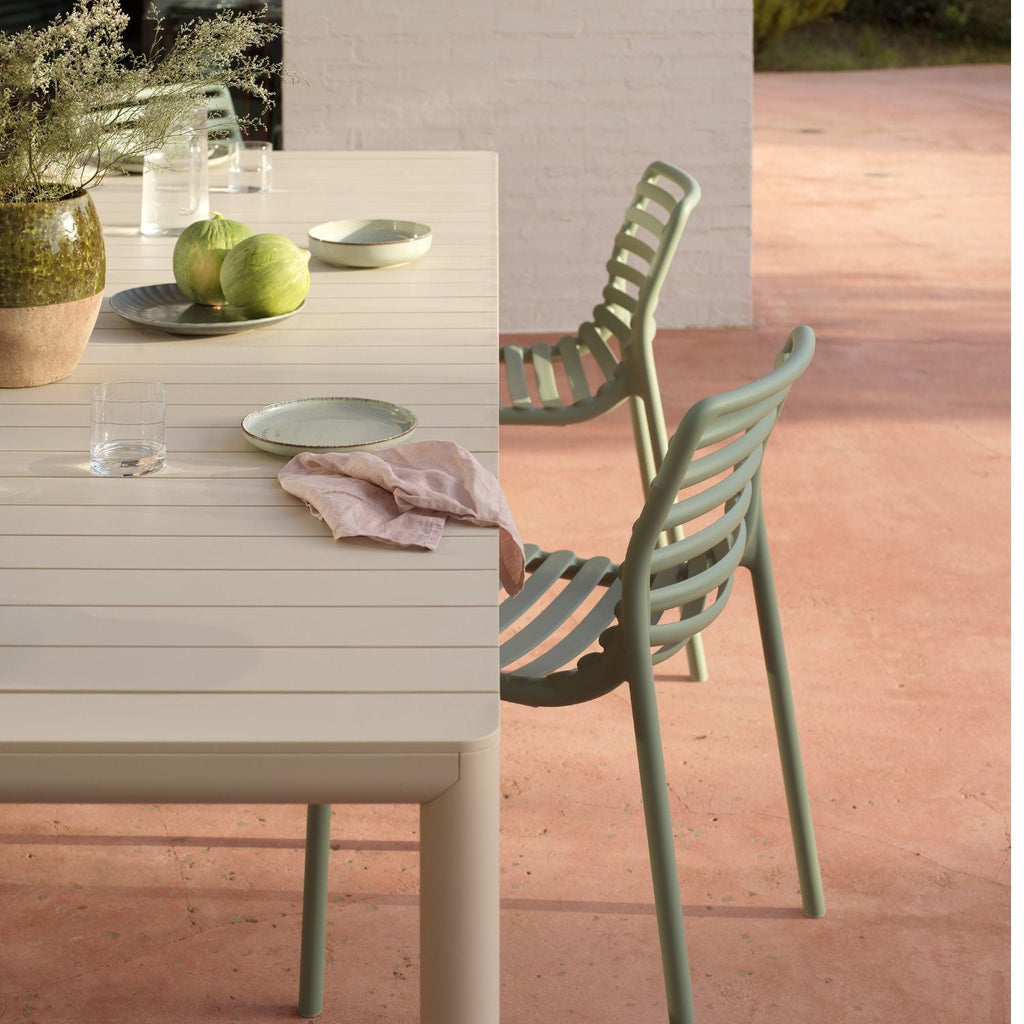
Dining chairs sit upright at table height, structured rather than cushioned, and tuck under a table between meals. See the Outdoor Dining Chairs range.
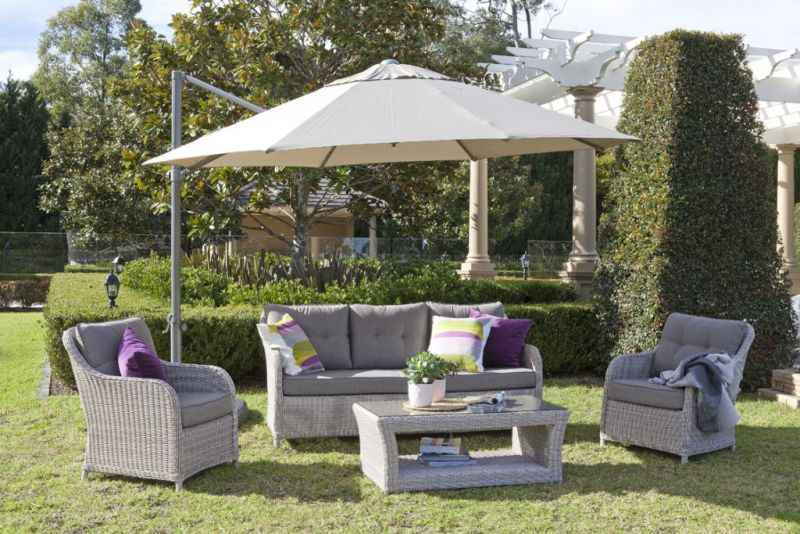
Lounge chairs sit lower with deeper seats and angled backs, built for reading, sunbathing and long conversations rather than eating. Compare Outdoor Armchairs.
Stackable chairs go four high on most designs, which is what makes them practical where the space gets cleared between uses or before weather. Browse Outdoor Stackable Dining Chairs.
Folding chairs collapse flat and store in the least room of any format, useful on balconies and anywhere the area serves more than one purpose.
Fixed chairs give more stability and heavier construction, which suits a permanent position. Folding and stacking designs trade some of that for storage flexibility, and the moving parts need corrosion-resistant hinges to keep working outdoors.
What Protects a White Finish
UV is what degrades outdoor furniture, and on white it shows as yellowing rather than fading. The protection has to be built into the material rather than applied to the surface.
UV-stabilised polypropylene and resin have the stabiliser mixed through the material during manufacture, so a scratch does not expose unprotected material underneath.
Solution-dyed acrylic carries pigment through the fibre rather than printing it on the surface, which is why it holds colour on cushions far longer than surface-dyed fabric.
Powder-coated aluminium bonds the white finish to the metal electrostatically and heat-cures it, creating a harder barrier than paint, which chips at the joints and lets weather at the bare metal.
PE and synthetic wicker over an aluminium subframe handles UV well and adds texture, which is useful on white because texture hides light marking that a smooth surface would show.
Surface treatments and sprays wear off. Built-in stabilisation does not, which is the distinction worth asking about.
Frames and Stability
Aluminium does not rust and resists corrosion without additional treatment, which makes it the reliable choice for coastal and fully exposed positions. It is light enough to reposition easily. Compare Outdoor Aluminium Chairs.
Resin carries colour through the material and needs no finish maintenance at all. Browse Outdoor Resin Chairs.
Wide bases and well-made joints matter more than frame weight in windy positions, since an empty chair is what moves first.
Check the fixings. Stainless or coated fasteners will not bleed rust down a white frame, and rust bleed is the one form of marking on white that does not clean off.
Adjustable or replaceable feet let you correct rocking on uneven paving and keep frames off wet surfaces.
Dimensions Worth Checking
Seat depth between 47 and 52 cm supports the thigh without cutting circulation.
Seat height between 41 and 45 cm for dining chairs, suiting a table height of 74 to 76 cm. Lounge chairs sit lower.
Allow 60 cm of width per chair at a table, more for chairs with arms.
Check arm clearance under the table edge, or the chairs will not tuck in.
Check stacked and folded dimensions, not just the open ones, since that is what decides whether they fit where you plan to store them.
Cushions and Pads
Look for removable, washable covers. On white this matters more than on any other colour, because a mark you cannot wash out is a cushion you replace.
Solution-dyed fabric rather than surface-printed, and quick-dry reticulated foam rather than a solid core.
Non-slip backing on loose seat pads stops them sliding off.
Replace covers once water stops beading on the surface.
Swapping pads is the simplest way to change how a set looks without replacing the chairs. Compare Outdoor Chair Cushions.
Keeping Them White
A short regular routine beats an occasional deep clean, particularly on a pale finish. Clean seasonally at minimum, and more often in exposed or coastal positions.
Mild soapy water with a soft cloth or sponge handles most marking on resin and powder-coated surfaces.
Skip abrasive pads, scouring powders and harsh chemical cleaners. They scratch the surface, and dirt then collects in the scratches, which makes the next clean harder.
Applying a paste wax after cleaning leaves a smoother surface that dirt slides off more readily.
For mould and mildew, a dilute white vinegar solution left to sit before rinsing works without harsh chemicals. Test it on a hidden section first, since acidic solutions affect some sealed finishes.
Clear leaves and debris before rain, since wet leaves sitting on a pale seat leave tannin marks.
Near the coast, rinse regularly with fresh water to clear salt at the fixings.
Covers and Storage
Choose covers that breathe and repel water, with straps, drawstrings or buckles that hold in wind, and vents that let air move underneath.
Make sure chairs are clean and completely dry before covering. Sealing damp in causes the mildew you were trying to prevent.
Store cushions and pads in a dry, ventilated space when the furniture is not in regular use, off the ground rather than stacked on concrete.
Aluminium and resin chairs stay outside permanently in most Australian positions. Covers and storage are for extended wet stretches and the off-season rather than everyday use. See Outdoor Chair Covers.
Common Questions
Will white outdoor chairs go yellow?
UV-stabilised resin and quality powder-coating resist yellowing considerably better than untreated alternatives. What usually shows on white is marking rather than colour loss, and most of it washes off.
Which material suits coastal positions?
Powder-coated aluminium, on its own or as the subframe under synthetic wicker. Check the fixings are stainless or coated, since rust bleed on white is permanent.
How often should I clean them?
Seasonally at minimum, and more often in exposed or coastal spots. Clearing debris before rain does more for the finish than any cleaning product.
Can they stay outside permanently?
Aluminium and resin chairs can. Cushions and pads last considerably longer stored dry through wet periods and over winter.
Folding or stacking for a small balcony?
Folding stores flatter; stacking is quicker to deploy and put away. If the chairs come out most days, stack. If they come out occasionally, fold.
Making the Choice
Settle the format first, since dining, lounge, stacking and folding chairs solve different problems. Choose a material with UV protection built in rather than applied, with aluminium or resin the safe defaults for exposed and coastal positions. Check the fixings before anything else, because rust bleed is the one mark you cannot remove from white. Then check seat depth, and the stacked or folded dimensions against where you will store them.
Visit a Showroom
How a white reads against your own light, and how a chair feels to sit in, are both hard to judge on screen.
Outdoor Furniture Sunshine Coast