





Recently viewed


White Outdoor Lounge Furniture: How to Choose the Right Set for Australian Conditions
White outdoor lounge furniture is a practical choice for Australian outdoor areas. The light colour reflects heat rather than absorbing it — a genuine functional advantage in climates with sustained UV exposure and high temperatures. Choosing the right pieces requires understanding which materials will maintain their appearance and structural performance under Australian conditions. This guide covers material options, furniture types, placement, and maintenance so you can make an informed decision.
What Is White Outdoor Lounge Furniture
White outdoor lounge furniture refers to seating designed for relaxation in outdoor spaces, built from weather-resistant materials and finished in white or off-white tones. These pieces include chaise lounges, sectional configurations, lounge chairs, and modular seating arrangements engineered to withstand outdoor conditions while maintaining their appearance.
The materials used in white outdoor lounge furniture determine both longevity and performance. Powder-coated aluminium provides a rust-free, lightweight frame that maintains its finish season after season. UV-stabilised resin wicker offers weather resistance and a natural woven texture. Teak hardwood delivers inherent moisture and insect resistance. Each of these materials maintains a clean white or light appearance under sustained Australian sun exposure.
Why White Works for Australian Outdoor Areas
White reflects natural light rather than absorbing it. This means white frames stay noticeably cooler than darker alternatives under direct sun — a practical advantage during Australian summers. Darker frame colours absorb heat and become uncomfortable to touch. White outdoor lounge chairs remain usable throughout the day without the same surface temperature build-up.
The reflective quality of white furniture also makes smaller outdoor areas — compact patios, balconies, courtyards — appear larger and brighter. White provides a neutral visual base that works with a wide range of cushion colours and outdoor settings without clashing.
Types of White Outdoor Lounge Chairs
Chaise Lounges
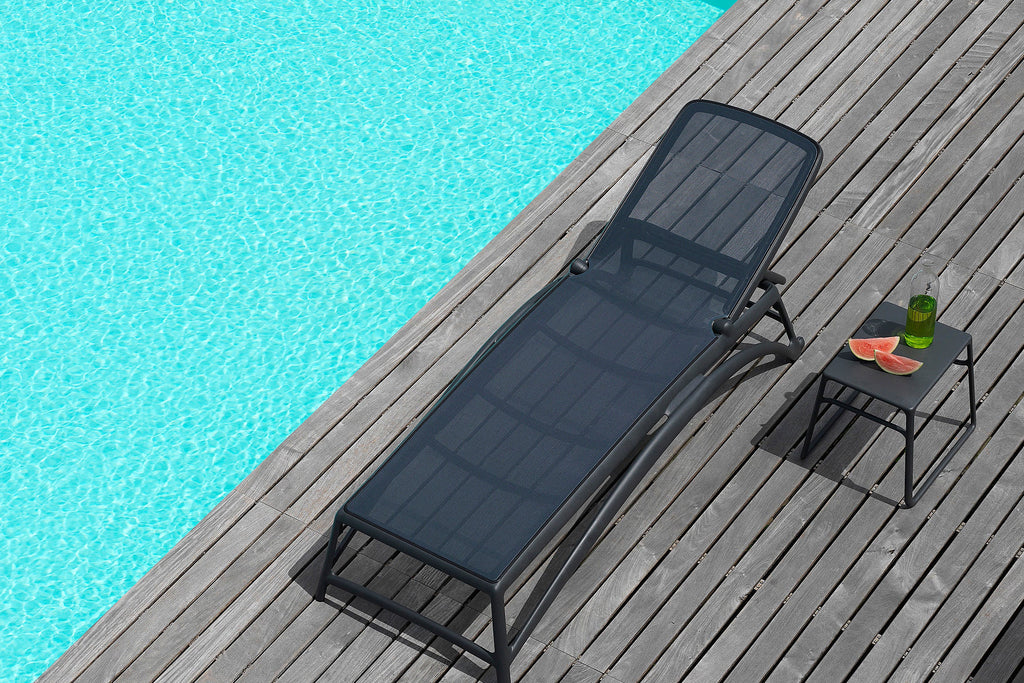
Chaise lounges feature adjustable backrests that allow you to set your preferred reclining angle. Models are available with or without armrests. Adjustable positions range from upright seating to full recline, making these practical for poolside areas, sun decks and covered patios.
Chaise lounges with wheels add mobility — useful for repositioning as the sun moves across your outdoor area. Stacking designs solve storage challenges: multiple loungers nest together during off-season months, reducing the footprint when not in use.
Outdoor Lounge Chairs and Seating
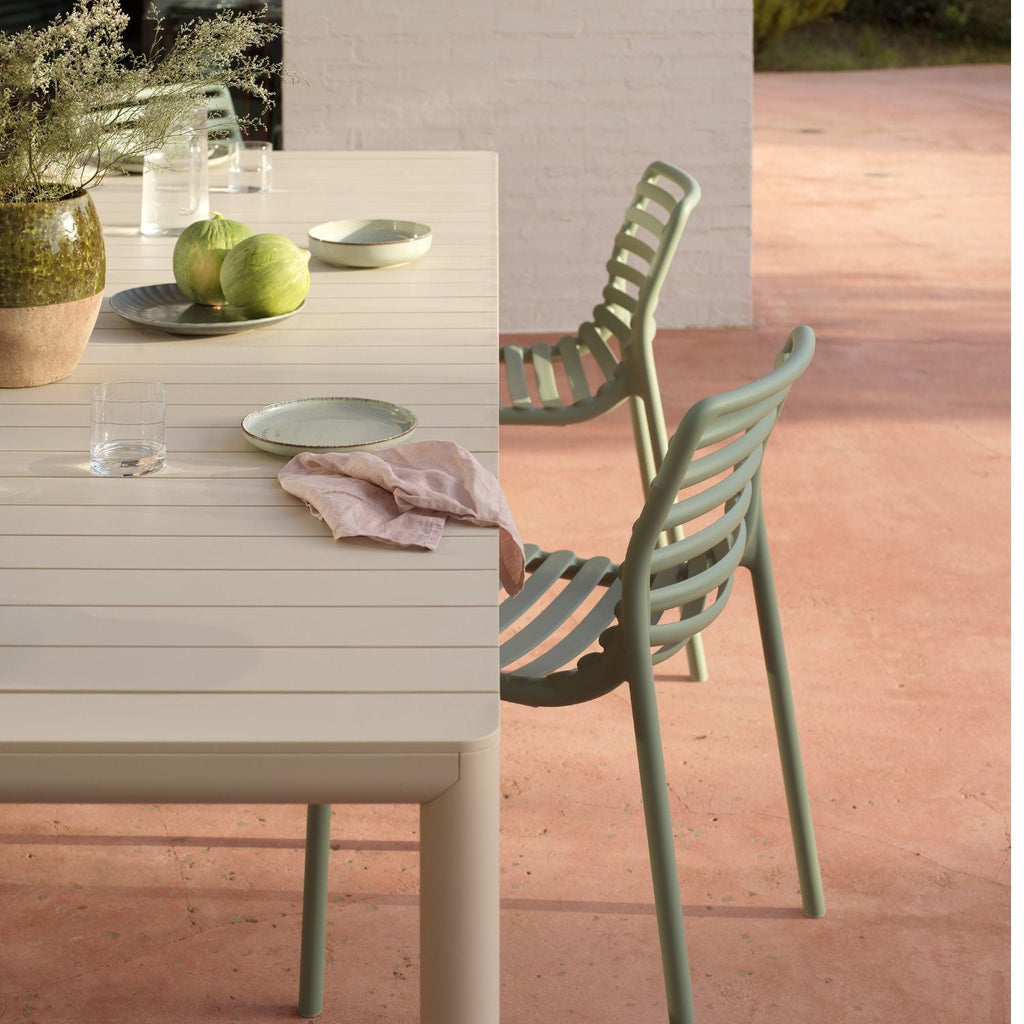
Outdoor lounge chairs come in a range of configurations suited to different uses. Deep-seated armchairs suit extended relaxation. Dining chairs combine upright support with outdoor durability for table seating. Folding chairs offer lightweight portability for smaller spaces or when extra seating is needed for guests.
Each style serves a specific function. The key selection criterion is whether the frame material and construction will perform in your local outdoor conditions — UV exposure, moisture, heat cycling, and salt air if you are near the coast.
Pool Area Lounge Chairs
Lounge chairs designed for pool areas need to resist sustained moisture, UV exposure, and pool chemical contact. Look for single-piece construction that prevents pinching, sagging, or cracking under regular use. Contoured designs that follow a natural reclining position provide comfortable support on pool ledges and sun shelves.
UV-stabilised materials are essential for poolside furniture. Chairs in this position receive direct sun for extended periods with reflected UV from the water surface adding to total exposure. Powder-coated aluminium frames and UV-stabilised resin wicker are well-suited to this environment.
Sectional and Modular Lounge Furniture
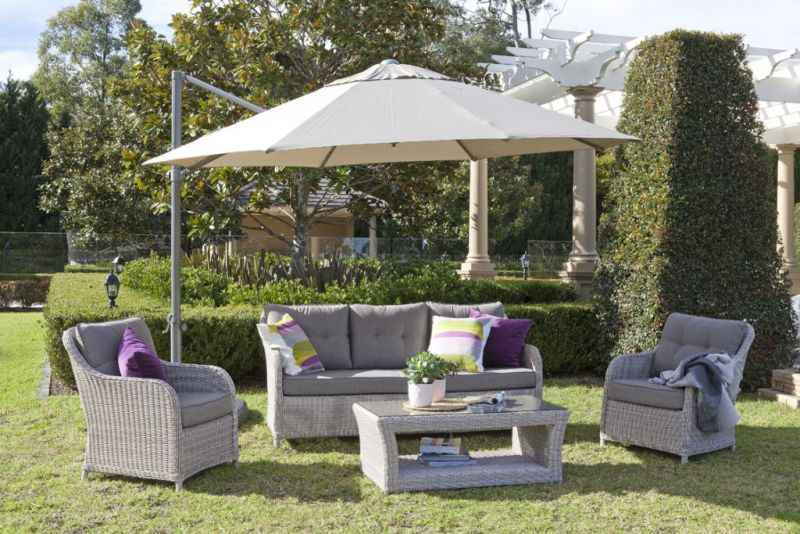
White outdoor sectionals provide flexible seating configurations for entertaining. Modular pieces can be rearranged to suit different occasions — from an L-shape conversation setting to a spread-out arrangement for larger gatherings.
Modular designs allow you to start with a smaller configuration and expand over time. Look for sectionals built from powder-coated aluminium frames with UV-stabilised wicker or weather-resistant cushion fabrics. The frame material determines long-term structural performance; the cushion fabric determines how well the set maintains its appearance.
Materials Engineered for Australian Conditions
Material selection is the most critical decision for white outdoor lounge furniture. In Australian conditions — intense UV, heat cycling, coastal humidity and salt air — the material determines whether furniture performs for the long term or degrades within a few seasons.
Powder-Coated Aluminium
Powder-coated aluminium is rust-free, corrosion-resistant, and maintains structural integrity across extreme temperature ranges. The powder-coating process bonds a durable protective finish to the metal surface, providing a barrier against moisture, salt air and surface wear. Aluminium frames are lightweight enough to reposition easily but heavy enough to remain stable in wind.
For white outdoor furniture, the powder-coating finish maintains a clean, bright appearance without yellowing or chalking under sustained UV exposure. This is a proven, low-maintenance frame material for Australian coastal and inland conditions.
Teak Hardwood
Teak is a dense hardwood with natural oils that provide inherent resistance to moisture, insects, and decay. It performs in harsh outdoor environments without chemical treatment. Over time, teak develops a silver-grey patina when left untreated — a natural weathering process that does not affect structural performance.
For white-finished teak, a sealed or painted finish is applied over the timber. The underlying density and weather resistance of the teak provides the structural foundation, while the surface finish delivers the white appearance. Periodic recoating may be required depending on exposure conditions
Placement and Arrangement
Poolside Positioning
Position white lounge chairs on the far side of the pool from your main access point. This keeps the pool itself accessible and avoids furniture blocking direct pathways. Maintain at least 900 mm between the pool edge and furniture for safety and comfortable movement.
Angle chairs slightly rather than positioning them perpendicular to the pool edge. This improves sightlines across the pool area and creates a more natural arrangement. Small side tables between lounge chairs provide a practical surface for drinks and personal items.
Patio and Deck Arrangements
Allow at least 600 mm of clearance in front of and behind each chair for comfortable movement. On larger decks, create distinct zones for different uses — a dining area, a lounge area, and a conversation setting — rather than clustering all furniture in one section.
Observe natural movement patterns before finalising placement. Furniture should complement how people walk through the space, not obstruct access paths between the house and outdoor areas. On smaller patios, position lounge chairs parallel to the longest edge to maintain clear walkways.
Covered and Uncovered Areas
White outdoor furniture performs in both covered and uncovered positions. However, placement under a pergola, shade sail, or covered patio reduces direct UV exposure during peak hours and extends the interval between maintenance cycles. If your outdoor area includes both covered and open sections, position the most frequently used seating under cover.
Care and Maintenance
Regular maintenance preserves the appearance of white outdoor lounge furniture and extends its working life. Furniture engineered for Australian conditions is designed around low-maintenance care routines, but consistent upkeep prevents the build-up of dirt, mould, and staining.
Routine Cleaning
Clean white outdoor furniture regularly with warm water, mild soap, and a soft cloth or soft-bristle brush. For powder-coated aluminium frames, a hose-down removes surface dust and salt residue. For resin wicker, a garden hose and soft brush are sufficient.
For stubborn marks on white surfaces, a paste of baking soda applied with a soft cloth provides gentle abrasive cleaning without scratching. Rinse thoroughly after cleaning and allow to dry fully.
Mould and Mildew
In humid conditions, mould and mildew can develop on outdoor furniture surfaces and cushion fabrics. A solution of one part white vinegar to three parts water, sprayed on affected areas and left for 10 to 15 minutes before scrubbing with a soft brush, removes mould without harsh chemicals.
For cushion fabrics, remove covers where possible and clean separately. Allow cushions to dry fully in direct sun after cleaning — UV exposure helps inhibit further mould growth.
Seasonal Protection
During extended periods of non-use, protective covers reduce exposure to dust, leaf litter, and bird droppings. Choose breathable covers that prevent moisture build-up underneath. Store cushions in a dry, ventilated space when the furniture is not in regular use.
UV-stabilised materials and powder-coated finishes are engineered to handle sustained Australian sun exposure. Periodic application of a UV-protective treatment provides an additional layer of fade resistance for furniture in full-sun positions.
Making the Right Choice
Choosing white outdoor lounge furniture for Australian conditions comes down to three practical questions: is it built from materials that will perform under your local UV, heat, and moisture exposure? Does it fit your outdoor area with adequate clearance for comfortable use? And does the maintenance requirement suit how you use your outdoor space?
Prioritise frame material and construction quality. Powder-coated aluminium, teak hardwood, and UV-stabilised resin wicker over aluminium frames are proven performers in Australian conditions. Pair these with water-repellent, UV-stabilised cushion fabrics for a complete outdoor lounge setting that is built to last and requires minimal upkeep
Frequently Asked Questions
How do I keep white outdoor furniture clean
Clean regularly with warm water, mild soap, and a soft-bristle brush. For stubborn marks, use a baking soda paste. Remove mould with a vinegar and water solution. A hose-down is sufficient for routine maintenance of powder-coated aluminium and resin wicker surfaces.
Will white outdoor furniture yellow or fade?
Furniture built from UV-stabilised materials — powder-coated aluminium and UV-stabilised resin wicker — resists yellowing and fading under sustained sun exposure. Material quality determines fade resistance. Low-grade materials without UV stabilisation will discolour; engineered outdoor materials will not.
Is white outdoor furniture practical for pool areas?
Yes. White reflects heat and stays cooler than darker alternatives under direct sun. Powder-coated aluminium and resin wicker resist moisture, UV exposure, and pool chemical contact. Position lounge chairs at least 900 mm from the pool edge for safety and comfortable access.
What cushion fabric works best for white outdoor furniture?
Water-repellent, UV-stabilised, solution-dyed fabrics offer the strongest combination of fade resistance, moisture protection, and easy cleaning. Cushion covers that can be removed and hosed clean reduce ongoing maintenance. Foam cores with drainage channels prevent water pooling and extend cushion life.
How should I protect white outdoor furniture during off-season?
Use breathable protective covers to reduce dust and debris exposure. Store cushions in a dry, ventilated space. Powder-coated aluminium and resin wicker furniture can remain outdoors year-round in most Australian conditions. Clean furniture thoroughly before covering for extended storage.