





How to Choose Dining Chairs for a Round Table
A 48-inch round table gives four people plenty of space to eat, and a 60-inch table works great for up to six guests. The right dining chairs need more thought than you might expect.
Each person needs about 60cm of table edge space to eat comfortably. The perfect setup requires more planning than just that. You'll need 24-30 inches of space between chairs, and your table's edge should stay at least 36 inches away from any walls. These measurements matter even more with modern dining chairs, curved designs, or smaller options that work in compact spaces.
This piece walks you through picking the perfect chairs step by step. We'll cover everything from space measurements to chair shapes, heights, and styles that work best. Our expert tips help create a dining area that looks great and works well. These guidelines ensure your round table and chairs complement each other perfectly, whether you're setting up a cosy breakfast nook or designing an elegant dining room.
Measure Your Space and Table First
Selecting dining chairs for a round table starts with understanding your available dimensions. A measuring tape will help you note your dining area's length and width—these numbers will guide your decisions.
How to calculate chair spacing
Diners need enough personal space to enjoy their meals comfortably. Here's how to space chairs around a round table:
- Allow approximately 60cm of table width per person to provide adequate elbow room
- Each seated guest needs 24 inches of perimeter space for comfortable dining
- Your calculations should subtract 4 inches between each guest to account for shared space
A 60-inch round table with roughly 188 inches of circumference seats 6-8 people comfortably. Modern dining chairs with armrests need extra width consideration since they take up more space than armless versions.
Ideal distance between table and wall
Your dining setup needs proper clearance to allow free movement and accessibility. These industry standards ensure comfort:
The minimum clearance between table edge and walls or furniture should be:
- 36 inches (90cm) for simple functionality
- 40-48 inches (100-120cm) gives optimal comfort and flow
- 32 inches works in tighter spaces but feels snug
This space lets diners pull their chairs out easily while others can walk behind seated guests without disruption. The remaining space after guests are seated measures approximately 60cm. Your doorways near the dining area need at least 48 inches of clearance from the table.
Why round tables need more breathing room
Round tables have different spatial needs than rectangular ones. This might seem odd since they lack corners, but several factors explain their extra space requirements:
Round tables need more room because:
- The circular shape extends farther from the centre point in all directions
- Chairs follow the table's curve and may extend into walkways
- Guests tend to sit at slight angles toward each other, creating dynamic space usage
A 90-110cm diameter round table fits four people well, while six people need 120-135cm. The table's support system affects seating arrangements—pedestal bases work better than four-legged designs by eliminating leg obstructions.
These measurements deserve careful attention before you buy curved or small dining chairs for your round table. This approach helps avoid furniture that won't fit or function well in your space.
Pick the Right Chair Shape and Size
The right chair shape creates visual harmony with your round table and helps streamline processes. Your choice of proportions can transform a cramped dining space into an elegant, flowing arrangement.
Curved vs. angular backs
Curved-back chairs naturally complement a round table's circular shape. Your dining area gets a beautiful visual flow, as curved backs mirror the table's form. These chairs are a great way to get proper back support whatever angle you sit at around the table.
Angular-backed chairs with harsh geometries or squared-off shapes look out of place around circular structures. These defined, contoured backs clash with the table's natural roundness. So, if you prefer angular chairs, look for ones with gentle tapers or delicate lines that work with your round table.
Chair width and armrest considerations
Most adults need dining chairs between 16-18 inches wide, with 18 inches giving the best comfort. Here's a designer trick to calculate chair fit: each chair should take up about 1/6 of the table's circumference for six chairs or 1/8 for eight chairs. You'll want 6-8 inches between chairs at their widest points.
Here are some practical guidelines for armrests:
- Armless chairs work best with round tables since they slide in easily, look clean, and let you fit more seating around the table
- If you like armrests, swivel chairs with low-profile arms are your best bet as they move easily at round table angles
- The armrests should sit at least 5 cm lower than the table apron (the wooden support under the tabletop)
Round tables with pedestal bases need special attention to chair leg design. The seat depth should not go beyond the distance between the tabletop edge and pedestal to give enough legroom. Chairs with open leg designs or slightly angled legs work best under the table.
Match Chair Height with Table Design
The right height proportions between chairs and tables create visual harmony and physical comfort. Your dining experience stays pleasant through long meals when you get these measurements right.
Standard seat-to-table height ratio
A comfortable dining setup needs the right space between chair seat and table bottom. The sweet spot is 25-30cm (10-12 inches). This gap lets guests sit without their knees hitting the table and keeps them in a natural position to eat and chat.
Most dining tables stand at 74cm (29 inches). These tables work best with chairs that have seat heights of 45-51cm (18-20 inches) from the floor. This combination creates a 26cm gap between seat and table - a distance most people find just right.
Your table might be different from standard heights. Here's a quick guide to find the right dining chairs for round tables.
How pedestal bases affect legroom
Pedestal bases give better legroom than four-legged or trestle designs. Round tables with central support are especially good at avoiding leg obstruction.
Pedestal tables let you:
- Put chairs anywhere you want
- Give legs plenty of room to stretch
- Seat extra guests more easily
The space between a round table's edge and its pedestal base matters a lot. This measurement should be more than your chair's seat depth. A trestle table might give just 12cm of legroom, while a pedestal design could offer 21cm.
When to choose low-back or high-back chairs
Chair back height changes both looks and function. Small spaces with round tables work great with low-backed chairs. They keep the room feeling open and show off your table's design features.
High-backed chairs look more formal and structured. If you like this style, keep at least 12 inches (30cm) between the chair seat and table bottom. These chairs also support your back better during long dinners.
Small dining areas look better with low or open-backed chairs. They help the space feel bigger by not blocking views. The chair back should curve gently since flat backs aren't as comfortable.
Your dining chair should rise at least 10cm above the tabletop. This height makes curved dining chairs for round tables look just right in your space.
Balance Style, Material, and Comfort
A dining space needs more than just the right dimensions and proportions. Your chairs' materials, styles, and comfort around a round table shape the entire dining experience.
Modern dining chairs for round table: what works
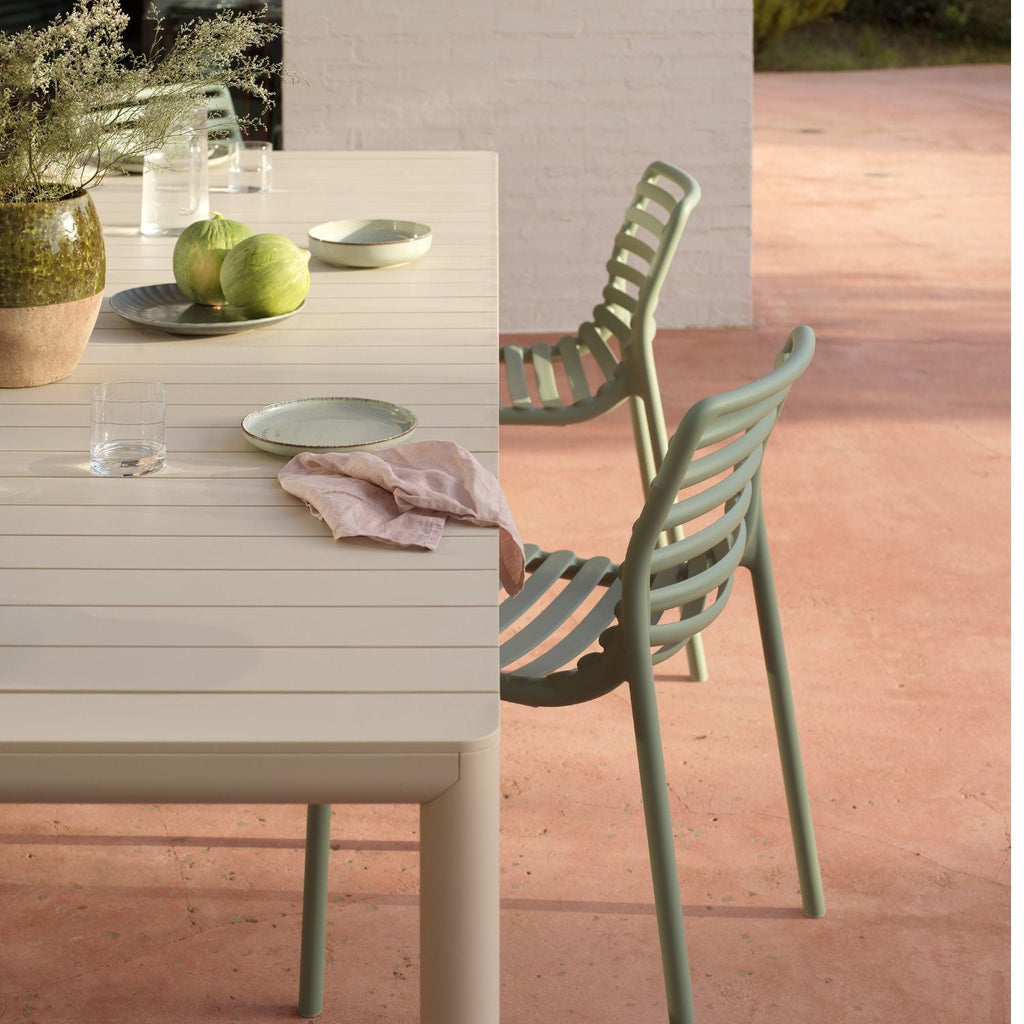
Clean lines and complementary curves enhance modern dining spaces. Round tables work best with armless dining chairs that slide in smoothly and create a clean look to highlight the table's circular shape. Guests can move easily at different angles with swivel chairs that have subtle arms. Curved-back chairs mirror your table's shape and support you properly whatever your seating position.
Mixing materials without clashing
Your dining chairs and round table shouldn't match materials exactly - this creates an overwhelming look. Let one piece stand out as the focal point. A timber table pairs beautifully with upholstered chairs that have wooden legs. Modern glass tables look stunning with sleek, minimalist chairs, while rustic wooden tables complement traditional, upholstered seating.
Upholstered vs. wooden vs. metal chairs
Each material brings something special to your dining space:
Wooden chairs:
- Durability meets timeless appeal
- Match almost any décor style
- Need cushions for long-term comfort
- Suit traditional and transitional rooms
Metal chairs:
- Light yet incredibly strong
- Add a contemporary, industrial touch
- Look better with cushions
- Enhance modern and eclectic spaces
Upholstered chairs:
- Make long meals comfortable
- Help reduce room echo
- Come in countless colours
- Need more care and stain protection
Durability for everyday use
Beautiful chairs become mere decorations if they're uncomfortable after 15 minutes. Functional chairs should have 16-18 inches of seat depth, at least 18 inches of width, a slight curve that supports your spine, and 2-3 inches of cushioning that makes long meals enjoyable.
Leather and faux leather wipe clean easily - just tackle spills before they stain. Timber chairs age gracefully, and small scratches or dents become part of their character over time.
Coordinate Colours and Finishes Thoughtfully
Your dining area's mix of colours and finishes reveals your design sense. The right proportions and visual elements blend together to create an atmosphere that shows your personal style.
Should dining chairs be lighter or darker than the table?
This classic design question has no fixed rules—the answer depends on your space and priorities. A darker table with lighter chairs creates an airy, welcoming feel that works well in smaller spaces or rooms with less natural light. A lighter table with darker chairs adds elegance and formality. Modern designers favour contrast over matching sets—they call this creating "sisters, not twins" in furniture pairings.
Using contrast to create visual interest
Your dining set shouldn't look like one big block, so visual contrast helps break it up. Even small variations make a difference—picture a black table with charcoal chairs or an oak table with beige chairs. Bold decorators can alternate chair colours around their round table or add accent chairs at the ends. If you want chairs in similar shades to your table, pick different materials or textures.
How flooring and rugs affect your choices
Your floor sets the base for your colour story. You should avoid matching your flooring, table and chairs in similar colours because it creates a dull, lifeless look. Wood tables that match your timber flooring exactly will blend together too much. A carefully chosen rug adds softness under your round table and breaks up any monotony. Round rugs work best with round tables to echo their shape.
Conclusion
The perfect dining chairs for your round table boil down to smart choices about space, proportions, and style. Your dining area's success depends on proper measurements. You should check your available space before buying anything.
Your chair's shape affects both comfort and visual appeal. Round tables work naturally with curved-back chairs. This creates a flowing look and gives good support no matter where people sit. The right height between chairs and table lets your guests eat comfortably without bumping knees or having to hunch over.
Materials you pick will affect both practicality and looks by a lot. Wood lasts for ages, metal adds a modern touch, and upholstered chairs give the most comfort during long meals. Instead of matching everything, you might want contrasting table and chairs to add visual interest.
Colours and finishes tell your design story. Your dining set doesn't need similar pieces—subtle changes in tone or texture often make spaces look more sophisticated. This makes your dining area more than just functional—it becomes truly welcoming.
A round table naturally creates a social setting where everyone can see and talk to each other. Your chairs should make the most of this advantage. With the right proportions, comfortable seating, and matching design elements, your round table dining area will without doubt become your home's heart—where style and purpose merge naturally to create lasting memories over meals for years ahead.
FAQs
Q1. What type of chairs work best with a round dining table? Chairs with curved backs or armless designs complement round tables beautifully. They enhance the table's circular shape and create a harmonious flow in your dining space. Upholstered options add comfort, while sleek metal or wooden chairs maintain a modern aesthetic.
Q2. How many chairs can I fit around my round dining table? The number of chairs depends on your table's size. As a general rule, allow about 60cm of table edge per person. For example, a 120cm diameter table can comfortably seat 4-6 people, while a 150cm table can accommodate 6-8 diners.
Q3. Should I choose dining chairs that are lighter or darker than my table? There's no strict rule, but contrast often works well. Lighter chairs with a darker table create an airy feel, ideal for smaller spaces. Darker chairs with a lighter table add sophistication. The key is to create visual interest rather than an exact match.
Q4. What's the ideal height for dining chairs with a round table? For optimal comfort, aim for a 25-30cm gap between the chair seat and table underside. With standard 74cm high tables, look for chairs with seat heights between 45-51cm. This ensures diners can sit comfortably without their knees hitting the table.
Q5. How can I create an attractive centrepiece for my round dining table? Choose a centrepiece that complements your table's shape and size. A tall vase with fresh flowers adds height and elegance, while a cluster of candles at varying heights creates a cosy atmosphere. Ensure the centrepiece doesn't obstruct diners' views across the table.
Share this


